In a strategic move that blurs the lines between its software and service divisions, Tesla is weaving its Full Self-Driving (FSD) suite directly into the fabric of its in-house insurance product. This initiative creates a powerful, data-driven incentive for owners: the safer you drive with FSD engaged, the more you could save on your insurance premium. It's a closed-loop system where every autonomously navigated mile isn't just a step toward a self-driving future—it's a quantifiable credit toward lower ownership costs.
The Data-Driven Discount: From Beta Miles to Premium Savings
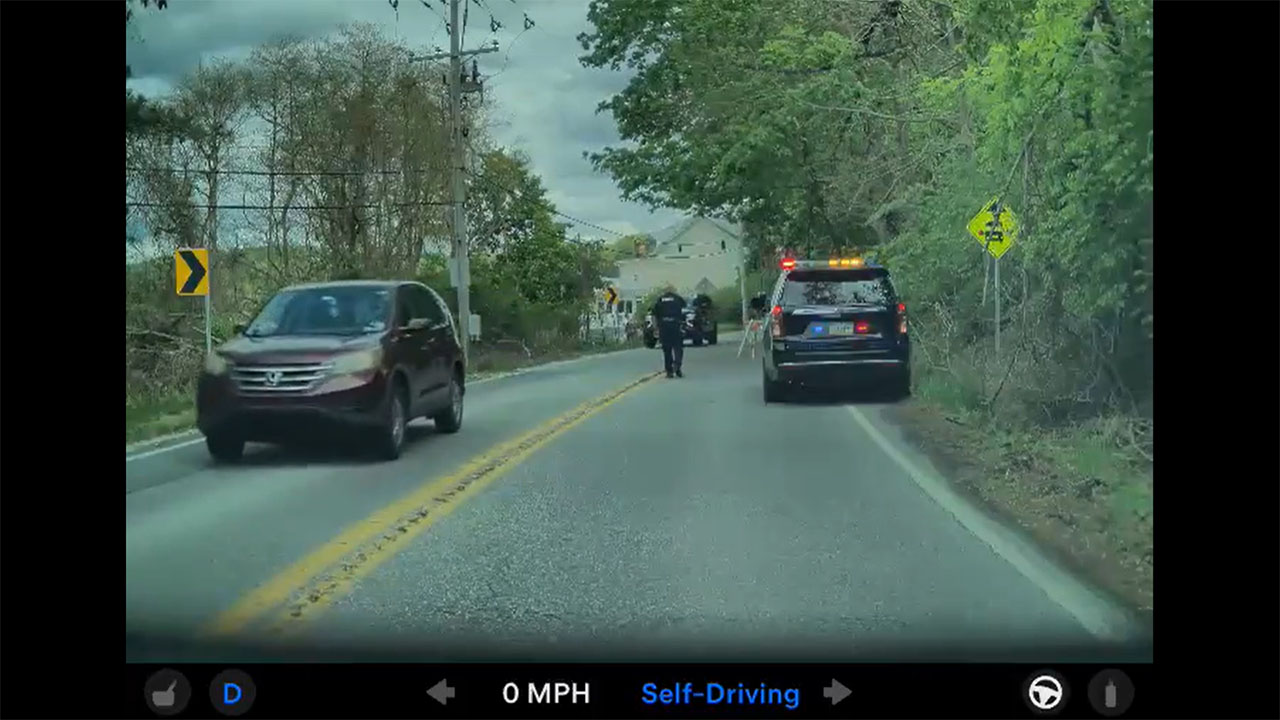
Tesla Insurance's core differentiator has always been its use of real-time driving behavior, the Safety Score, to calculate monthly premiums. The new integration takes this a step further by formally recognizing miles driven under FSD Beta supervision. Tesla's internal data reportedly shows that vehicles operating with FSD engaged exhibit a significantly lower collision probability. By leveraging this proprietary data instead of relying solely on broader industry crash statistics, Tesla can directly reward the perceived safety of its own system. This creates a tangible, financial feedback loop where using FSD doesn't just offer convenience but demonstrably lowers risk and, consequently, cost.
Strategic Synergy: Locking in the Ecosystem
This move is a masterclass in vertical integration and ecosystem lock-in. By tying insurance savings to FSD usage, Tesla actively encourages the adoption and consistent use of its $12,000 (or $199/month subscription) software package. It effectively makes the cost-benefit analysis for purchasing FSD more compelling, as the potential insurance savings can offset the upfront or recurring fee over time. Furthermore, it keeps customers firmly within the Tesla orbit for a critical service—insurance—that is typically handled by third parties. The more services a customer uses (vehicle, software, insurance, charging), the stronger the brand loyalty and the stickier the relationship becomes.
For Tesla, this strategy serves a dual purpose. It aggressively promotes FSD uptake, generating high-margin software revenue and accumulating the vast amounts of real-world data crucial for neural network training. Simultaneously, it de-risks its insurance arm by incentivizing the very driving behavior that leads to fewer claims. This virtuous cycle turns Tesla's unique access to vehicle telemetry into a competitive moat that traditional insurers cannot easily replicate.
For owners and investors, the implications are significant. Owners now have a clear, monetary incentive to master and regularly use FSD features, potentially transforming their insurance bill from a fixed cost into a performance-based metric. It adds a new dimension to the value proposition of Tesla's software. For investors, this underscores the company's evolution beyond manufacturing into a holistic mobility and technology firm with recurring revenue streams. The success of this integration could prove the profitability of Tesla's data-centric approach, creating a new benchmark for how electric vehicle companies leverage telematics. However, it also places greater scrutiny on the verifiable safety claims of FSD, as the financial model depends on its continued real-world performance.