In a move that will reshape the design language of the world's largest electric vehicle market, Chinese regulators have introduced a new safety standard directly targeting a signature automotive feature: the flush, retractable door handle. This design, popularized globally by Tesla and emulated by nearly every major Chinese EV maker, is now effectively prohibited under updated crash safety regulations, marking the end of an era for a defining aesthetic of the modern EV.
The New Rule: Mandating Mechanical Redundancy
The core of the new standard, known as GB 15086-2024, mandates that all vehicles must be equipped with a fully mechanical door release system that is immediately accessible and operable from both inside and outside the vehicle, without requiring electrical power. This regulation, which comes into effect on January 1, 2025 for new models, is a direct response to concerns from first responders and safety advocates. They have long argued that in emergency scenarios like submersion or severe collision where a car's 12-volt electrical system fails, complex electronic handles can trap occupants, delaying rescue. The rule does not ban the handles outright but requires a concurrent, purely mechanical override—a feature Tesla's current designs lack on the exterior.
Immediate Impact on China's EV Landscape
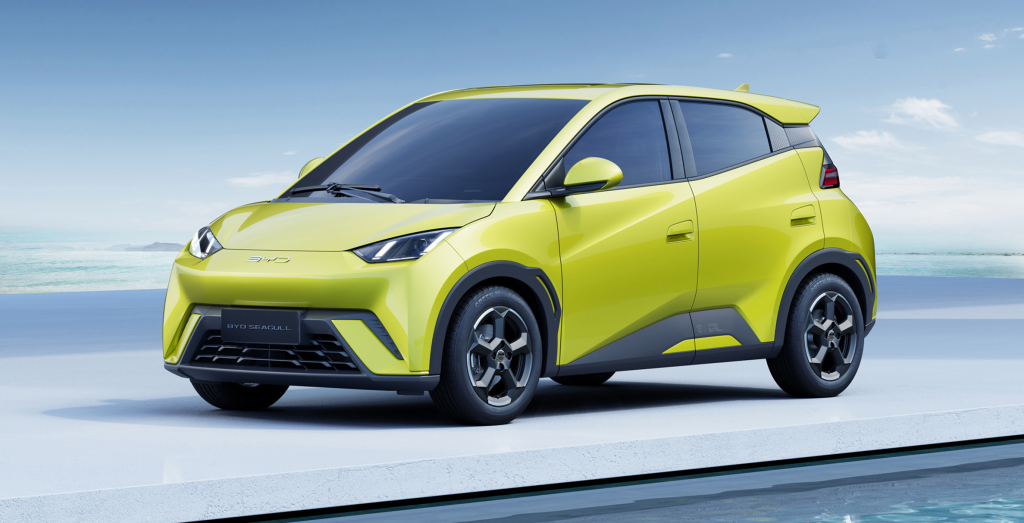
The ripple effect across China's automotive industry is instantaneous and profound. From premium brands like Nio and Xpeng to volume manufacturers such as BYD, the sleek, flush handle has become a near-universal symbol of a car's high-tech, electric identity. This design trend, inspired by Tesla's pursuit of aerodynamic efficiency and minimalist aesthetics, must now be hastily re-engineered. Automakers face a significant challenge: integrating a compliant mechanical release—likely a button, flap, or lever—without ruining the clean, seamless silhouette that consumers have come to expect. The development and tooling costs will be substantial, potentially impacting launch timelines for upcoming models.
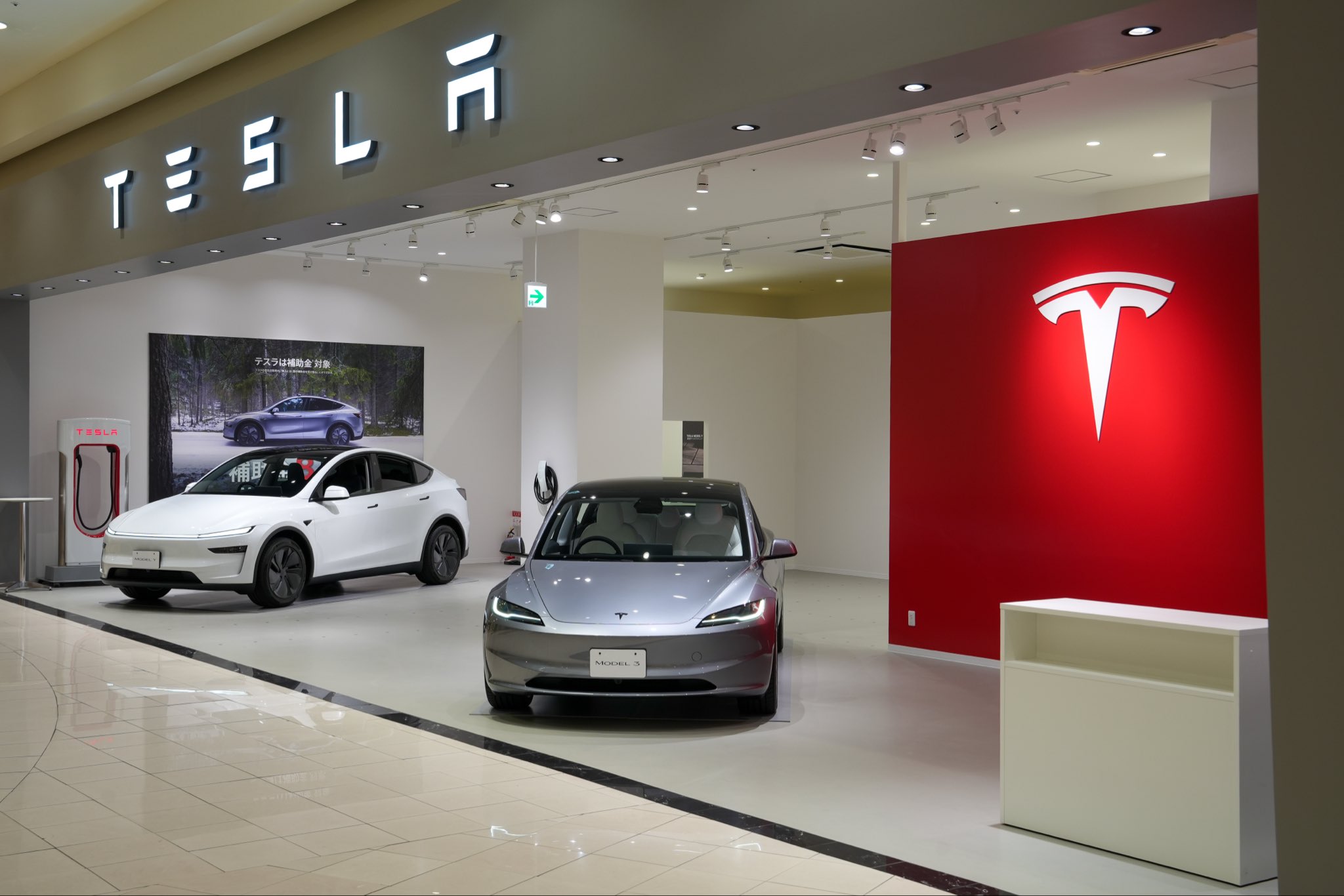
For Tesla, the originator of this trend, the implications are particularly stark. Its Model S, 3, X, and Y all utilize electronic exterior handles with no alternative mechanical method from the outside. While the company has faced isolated incidents and criticism over handle functionality in extreme conditions in other markets, China's formal codification into law presents a non-negotiable compliance hurdle. Tesla's Shanghai Gigafactory, its most productive plant globally, must now devise a modification for vehicles sold in China, possibly leading to a unique design for that market or a global retrofit that could affect its signature look.
Analysis: Safety Trumps Aesthetics in Regulatory Shift
This regulatory shift signifies a pivotal moment where foundational safety principles are reasserting dominance over futuristic design. Chinese authorities are prioritizing life-saving redundancy in an increasingly software-defined vehicle ecosystem. The move also reflects China's growing confidence in setting its own automotive standards, independent of Western design influence. While some may lament the stifling of innovation, the regulation addresses a legitimate and long-standing critique from fire departments and safety boards worldwide. It forces the industry to solve for elegance *and* fail-safe utility, potentially spurring a new wave of ingenious design solutions that meet both criteria.
For Tesla owners and investors, this development warrants close attention. Current Tesla vehicles in China will likely be grandfathered in, but future purchases will feature a redesigned entry system. Investors should monitor the cost and speed of Tesla's engineering response, as any delay could affect sales momentum in this critical market. More broadly, this could set a precedent for other regions considering similar safety clarifications. For the global EV community, China's decision is a clear signal that as vehicles become more advanced, regulators will increasingly scrutinize the basic mechanics of escape and rescue, potentially making the iconic flush handle a relic of EV design's first chapter.