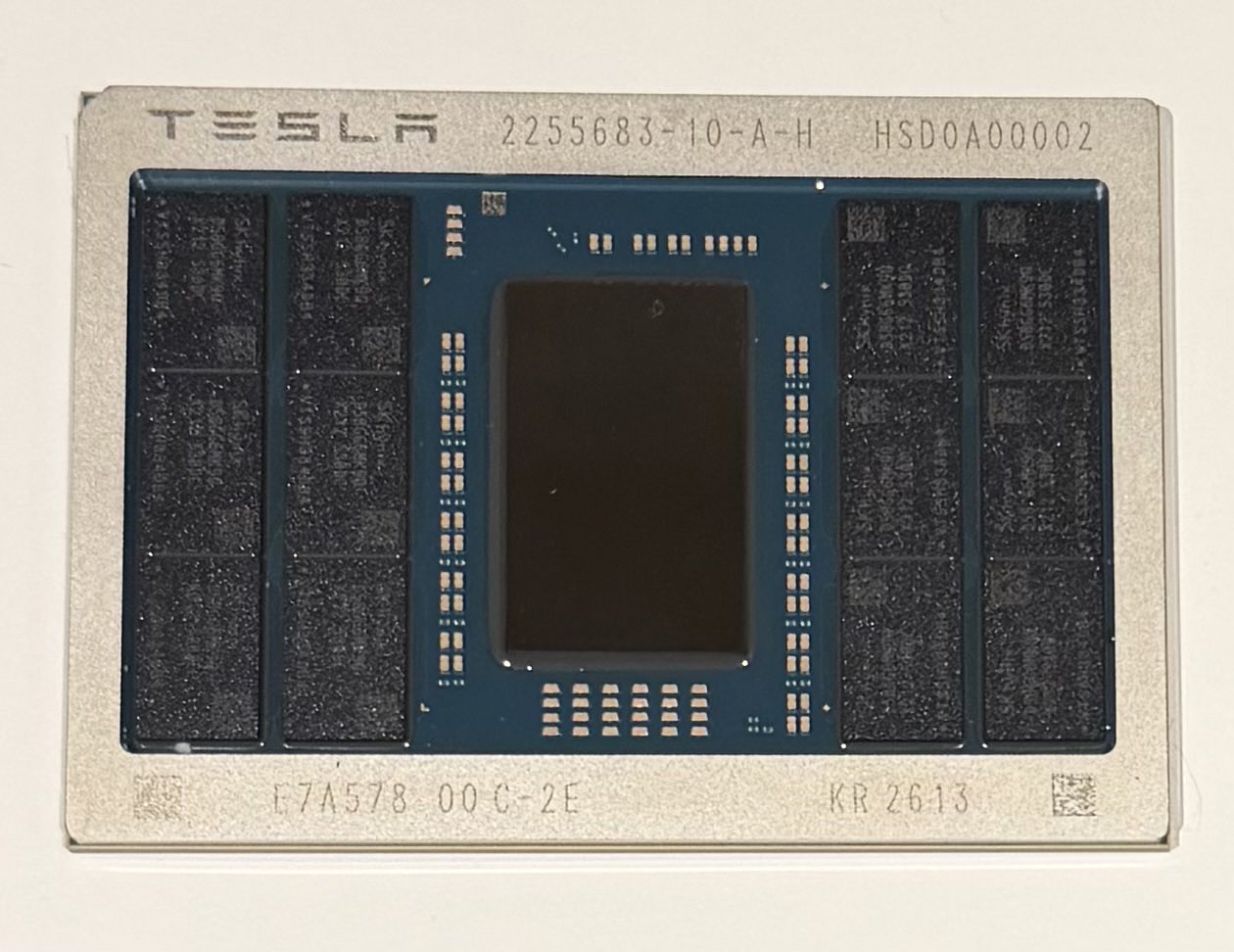
In a move that could redefine the computational backbone of its entire ecosystem, Tesla has officially completed the tape-out for its next-generation AI5 chip. Elon Musk confirmed the pivotal milestone, signaling that the final design for the successor to the current Hardware 4 platform has been sent to the foundry for initial production. This achievement marks a critical inflection point, transitioning the company's most advanced autonomous driving hardware from blueprints to physical silicon and setting the stage for the next era of vehicle intelligence.
The "Sacred" Step: From Design to Silicon Reality
The term "tape-out" is semiconductor industry parlance for the final design handoff, the point of no return where a chip's architecture is locked and sent for fabrication. For Tesla, this process represents the culmination of years of in-house development by its silicon design team. Completing the AI5 tape-out means the company has successfully navigated the immensely complex design and verification phases. The focus now shifts to the foundry, where the first test wafers will be produced, characterized, and validated against stringent performance and power benchmarks. This step is notoriously challenging, but its completion is a strong indicator that Tesla's vertical integration strategy in compute hardware remains on an aggressive timeline.
Beyond Hardware 4: The AI5 Performance Leap
While specific specifications remain under wraps, the AI5 chip is anticipated to deliver a monumental leap over the already-capable Hardware 4 computer. Industry analysts project order-of-magnitude improvements in processing power and neural network inference capability. This raw computational gain is not merely for bragging rights; it is the essential fuel for Tesla's ambitious plans for unsupervised neural network training and the eventual realization of true autonomous driving. The AI5 platform will need to handle exponentially more camera data, run more complex AI models in real-time, and provide the headroom necessary for future Full Self-Driving software iterations that are currently constrained by today's hardware.
The strategic implications of this development extend far beyond the automotive sector. Tesla's AI silicon advancements are increasingly viewed as a core competitive moat, differentiating its EVs as "computers on wheels." The AI5 chip will likely serve as the central nervous system not only for future vehicles like the Robotaxi and the next-generation compact model but also for the company's burgeoning Optimus robot project. This creates a powerful synergy where advancements in one domain accelerate capabilities in another, all powered by the same proprietary silicon architecture.
For Tesla owners and investors, the AI5 milestone is a signal of long-term technological dominance, though its consumer impact is not immediate. Current Hardware 3 and Hardware 4 vehicles will not see an upgrade, as the new chip will debut in future production lines. However, the development reaffirms Tesla's commitment to maintaining a hardware lead over competitors, potentially preserving the resale value of vehicles equipped with the latest tech. For investors, it underscores the company's deepening vertical integration and its transformation into a diversified AI and robotics entity, whose value is increasingly tied to its software and silicon stack rather than just automotive margins.