For years, the sleek, retracting door handles of the Tesla Model S have been a signature design element, embodying the vehicle's futuristic ethos. That iconic feature is now at the center of a serious legal challenge, with Tesla facing a new class action lawsuit alleging the electronic handles are a dangerous defect that can trap occupants inside the car during critical emergencies. Filed in California federal court, the complaint paints a stark picture of a premium feature becoming a potential liability, thrusting Tesla's approach to vehicle design and customer safety back under intense legal and public scrutiny.
The Core of the Allegation: A Failure in Emergency Egress
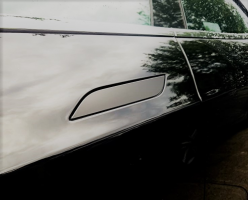
The lawsuit centers on the Model S's electronic door handle system, which is designed to automatically present itself when a key fob is detected and retract flush with the door for aerodynamics. The plaintiffs allege that in the event of a 12-volt battery failure—a component separate from the main traction battery—or an electrical system fault, the handles can fail to extend. This leaves occupants with no manual override to open the doors from the inside, a scenario described as creating a "trap" during emergencies like vehicle fires or submersion. The complaint references specific incidents where drivers and passengers reportedly struggled to exit a disabled Model S, arguing Tesla was aware of the design flaw but failed to adequately address it or warn consumers.
Broader Context: A Recurring Point of Contention
This is not the first time Tesla's door handles have drawn criticism or legal action. They have been a frequent subject of service visits for mechanical failures, and a similar class action regarding Model S handles was settled in 2022. However, this new lawsuit sharpens the focus specifically on the safety implications of the lack of a mechanical backup for interior egress, distinguishing it from past complaints about general reliability. It enters a legal landscape where Tesla is already defending its practices on multiple fronts, from Autopilot allegations to advertising claims, testing the resilience of its brand against persistent quality and safety questions.
The case raises complex questions about the balance between innovative design and fundamental safety redundancy. While modern vehicles increasingly rely on electronic systems, traditional mechanical door releases have long been a mandated safety standard. Tesla's design philosophy, which often eliminates mechanical backups in favor of minimalist electronic controls, is now being challenged on whether it compromises a fundamental vehicle function: the guaranteed ability to exit. Analysts note that while other luxury EVs also feature electronic handles, many incorporate clearly marked mechanical cables or levers as a fail-safe, a precaution the plaintiffs argue is critically absent in the affected Model S vehicles.
Implications for Tesla Owners and Investors
For current and former owners of certain Model S vehicles, this lawsuit highlights a potential safety concern that may have been overlooked. It is a reminder to familiarize themselves with their vehicle's emergency procedures, though the suit argues such procedures are insufficient. A court ruling against Tesla could lead to a costly recall or retrofit program to install mechanical override mechanisms, impacting the company's financials. More significantly, a successful class action could establish a legal precedent that challenges the safety validity of purely electronic systems for critical functions, potentially forcing a redesign philosophy for Tesla and the wider auto industry. For investors, it represents another strand of litigation risk and potential brand erosion, underscoring that Tesla's trailblazing approach continues to be tested not just on the road, but in the courtroom.