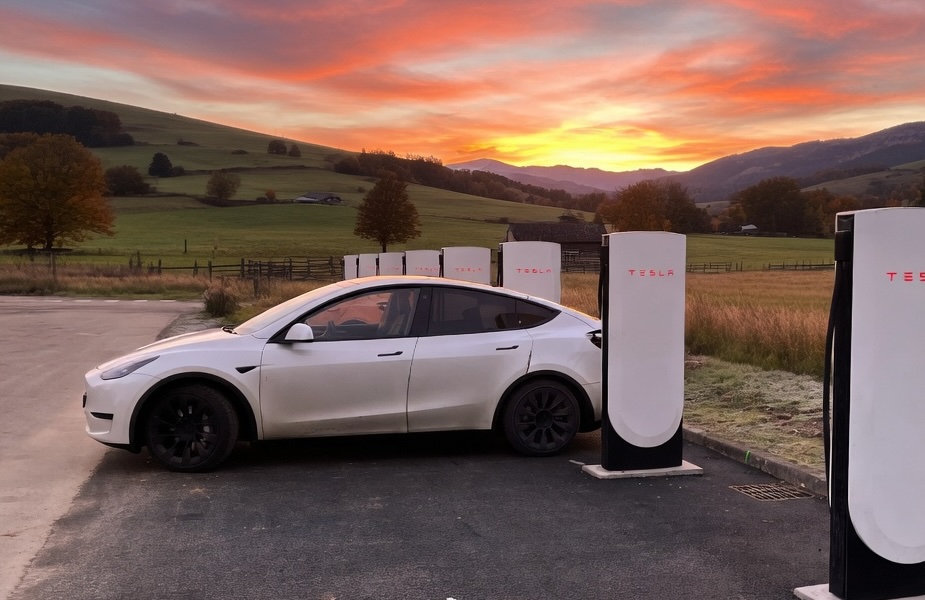
For Tesla owners, the era of range anxiety on long journeys is largely over, thanks to the seamless integration of the in-car navigation with the Supercharger network. The system handles the planning, pre-conditioning, and payment, making highway charging remarkably straightforward. However, in the pursuit of efficiency for both time and battery health in 2026, "straightforward" isn't always synonymous with "optimal." Mastering a few advanced strategies can transform a routine pit stop from a lengthy delay into a precisely calculated component of your journey.
Beyond the Planner: The Art of Strategic Stop Selection
While Tesla's navigation is excellent, it primarily optimizes for total trip time, which can sometimes lead to suboptimal charging behavior. A critical tip is to manually evaluate the suggested stops. The system may route you to a 150 kW charger when a newer 350 kW V4 Supercharger is just a few miles off-route, potentially saving significant time. Furthermore, consider the "charge curve" strategy: it's often faster to make two shorter stops, charging from a low state of charge where the rate is fastest, rather than one long session that languishes in the slow, high-state charge taper. Use the in-car energy graph to see real-time projections and don't be afraid to override the planner for a better overall flow.
Maximizing the Session: From Plug-In to Unplug
Optimal charging begins before you arrive. Trust the Battery Pre-Conditioning system; it heats or cools the battery to the ideal temperature for peak charging speed. Upon plugging in, avoid the temptation to charge to 100% unless absolutely necessary for the next leg. Charging speed slows dramatically above 80%, turning minutes into half-hours. For most highway travel, targeting 70-80% is the sweet spot for speed. Utilize this time efficiently: use the restroom, grab a coffee, but monitor the app. The goal is to unplug as soon as you have sufficient charge plus a comfortable buffer, minimizing time spent at the costly tail end of the charge curve.
Navigating the Broader EV Ecosystem
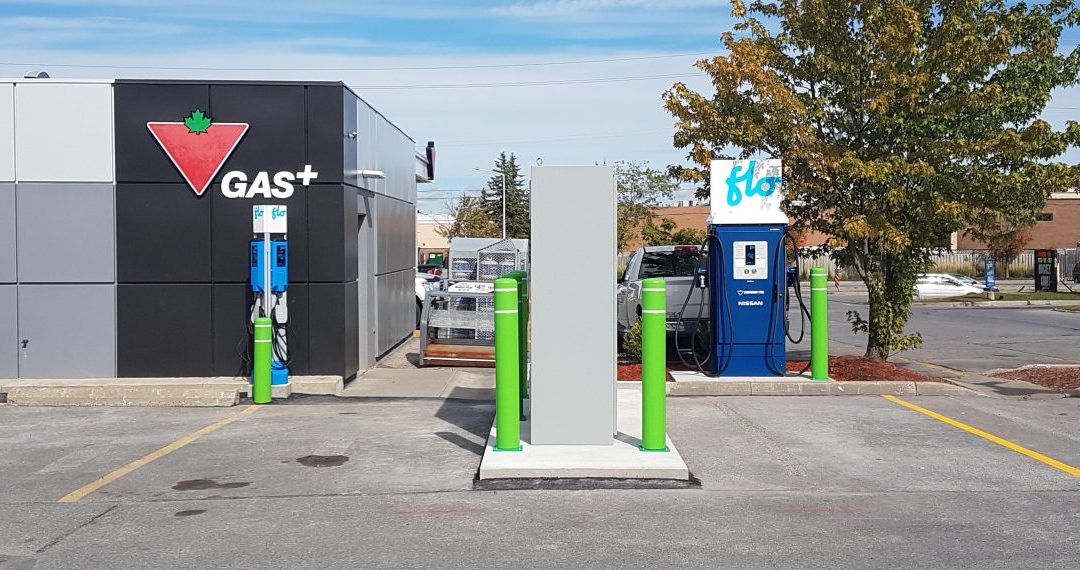
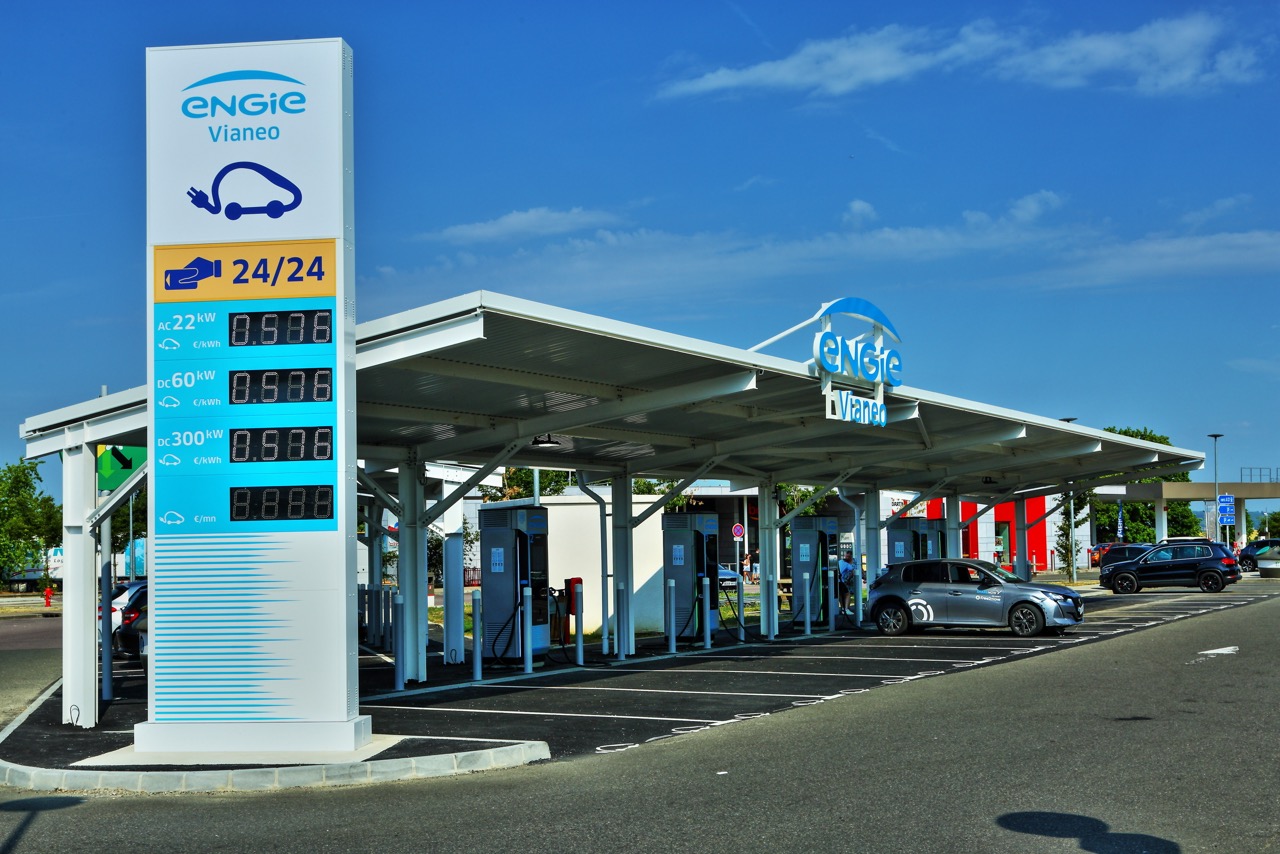
With Tesla's NACS connector now the North American standard and widespread adapter availability, drivers have unprecedented access to non-Tesla networks. This presents both opportunity and risk. While a third-party station might be conveniently located, its reliability and actual power output can be inconsistent. Always cross-reference the station's status in your Tesla map and on the provider's app. For the most predictable and fastest experience, Tesla Superchargers remain the gold standard due to their seamless integration and maintained performance. Use other networks as strategic backups, not primary stops, unless you have confirmed their current operational status.
For Tesla owners and investors, these optimization techniques highlight the evolving sophistication of EV ownership. As battery technology and charging infrastructure advance, the focus shifts from mere convenience to intelligent energy logistics. For owners, this mastery translates to tangible savings in time and, potentially, charging costs. For investors, it underscores the enduring value of Tesla's vertically integrated ecosystem—the car, the software, and the network—working in concert. The competitive moat isn't just about having chargers; it's about providing the data and control to use them smarter than anyone else.