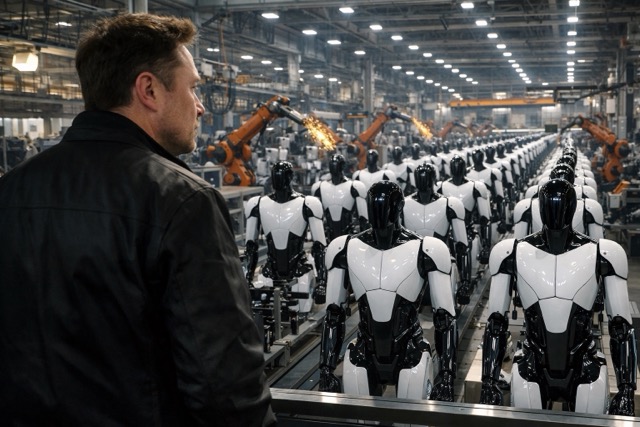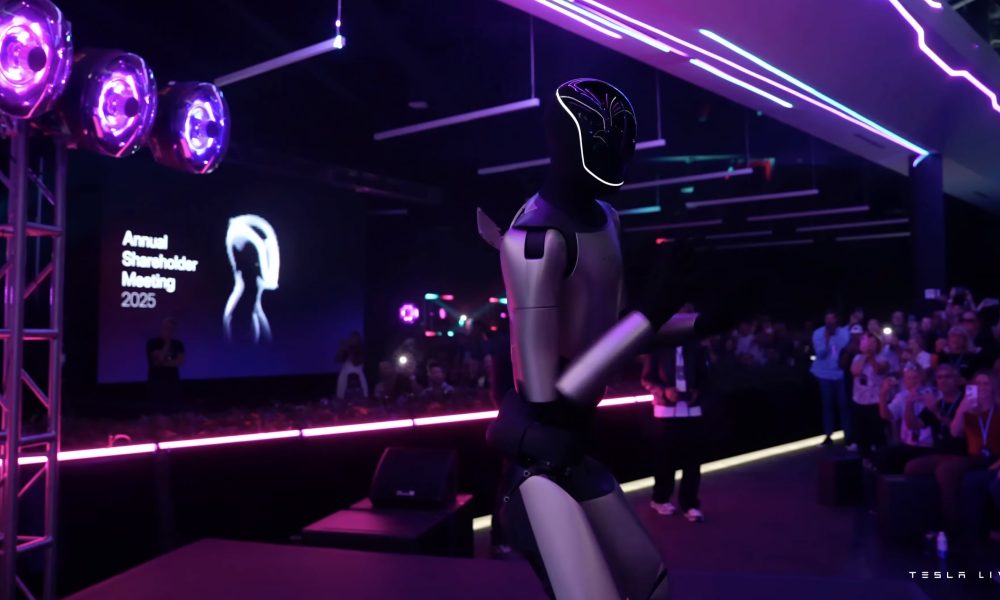
While Tesla's automotive division continues to dominate headlines, a quiet but monumental shift is taking shape within its manufacturing strategy, signaling a future where humanoid robots are not a prototype novelty but a mass-produced reality. According to recent reports, Giga Texas is slated to house a massive, dedicated production line for the Optimus V4 robot, a move that redefines the factory from a hub for the Cybertruck and Model Y into the epicenter of Tesla's next technological frontier.
From Fremont Pilot to Texas-Scale Manufacturing
The initial, smaller-scale Optimus production line is being established at Tesla's original Fremont Factory, serving as a crucial proving ground for assembly processes and early iterations. However, the strategic decision to anchor the primary manufacturing base at Giga Texas reveals the company's ambitious scaling plans. This transition from a pilot line to a "massive" dedicated facility indicates that Tesla is moving beyond R&D and into the serious logistical planning required for high-volume output. The vast space and integrated manufacturing ecosystem at the Austin site provide the ideal infrastructure for what is poised to become a completely new product category for the company.
Decoding the "V4" and the Path to Scale
The specific mention of an Optimus V4 production line is particularly telling. It suggests Tesla is already designing not just the first commercially viable robot, but its subsequent generations with manufacturability as a core principle. This forward-thinking approach mirrors the company's evolution in EV production, where lessons from the Model 3 "production hell" fundamentally informed the efficient designs of later platforms. By planning for the fourth version's production now, Tesla is likely baking in efficiencies, supply chain solutions, and design simplifications that will be critical for achieving the low costs and high volumes necessary to make Optimus a viable product for industrial and, eventually, consumer markets.
The implications of a successful humanoid robot program are staggering, potentially creating a market that dwarfs the automotive sector. For Tesla, Optimus represents a dual-purpose technology: a product to be sold and a tool to be deployed within its own factories and those of other companies. The establishment of a major production line is the clearest signal yet that Elon Musk's vision of millions of robots performing unsafe, repetitive, or boring tasks is transitioning from a long-term ambition into a concrete operational goal.
For Tesla investors, this development underscores the company's identity as a disruptive robotics and AI enterprise, not just an automaker. A successful ramp at Giga Texas could unlock an entirely new, high-margin revenue stream and potentially revolutionize labor economics in multiple industries. For owners and observers, it solidifies the narrative that Tesla's ultimate value may lie in its automation and artificial intelligence capabilities, with the electric vehicles serving as both a funding mechanism and a rolling data platform to train the neural networks that will one day guide the Optimus fleet.