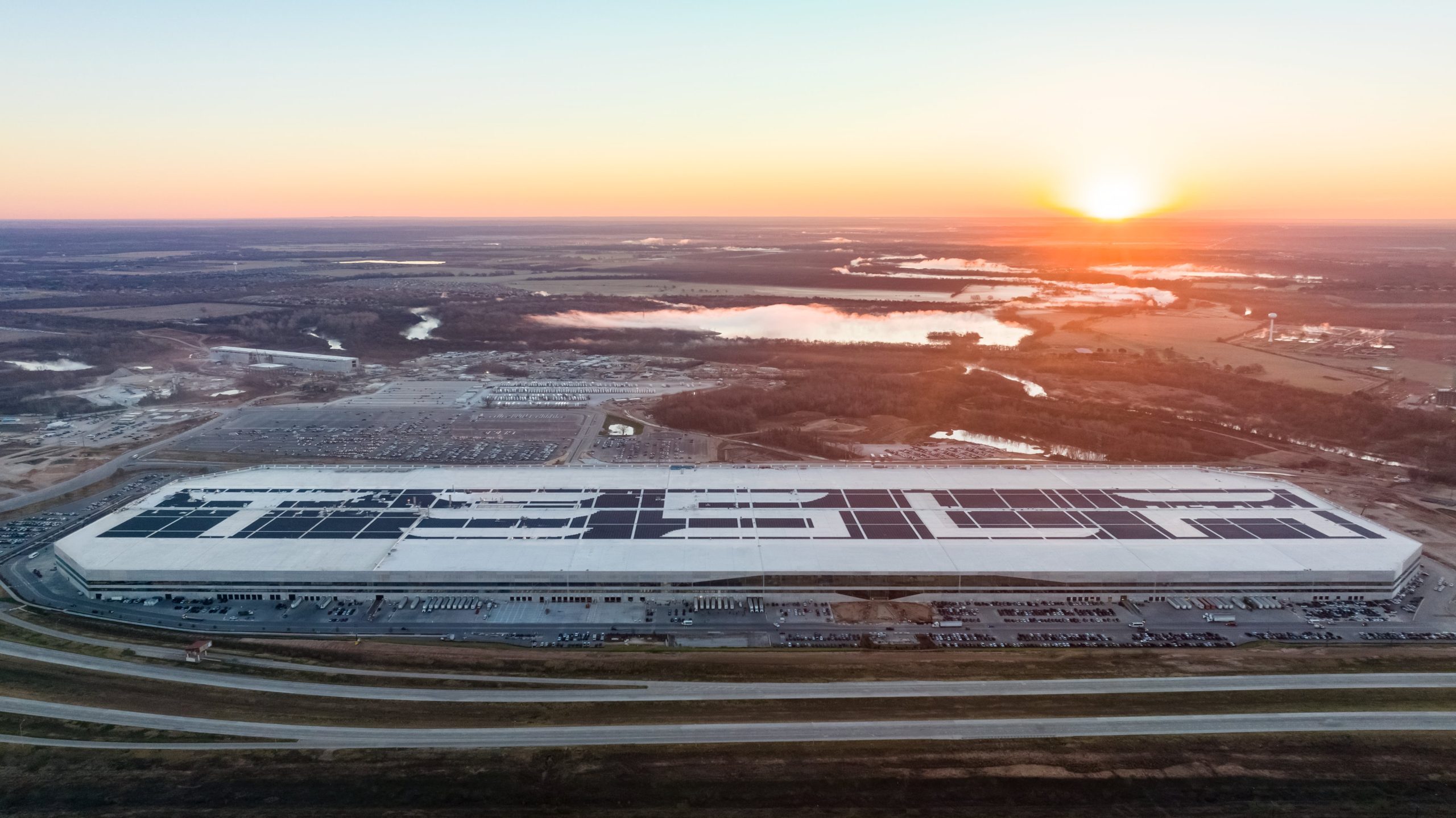
In a significant shift for its flagship American manufacturing hub, Tesla's Giga Texas facility has undergone a substantial workforce reduction, shedding nearly 5,000 jobs in 2025. This 22% contraction, first reported by the Austin American-Statesman through a review of state filings, marks one of the most pronounced single-year employment dips at the Austin-based plant since its opening. The move signals a period of intense operational recalibration for the electric vehicle giant as it navigates evolving market demands and its own ambitious efficiency goals.
A Strategic Pivot Amid Market Realities
The scale of the reduction—from approximately 22,777 employees at the start of 2025 to about 17,857 by year's end—transcends typical seasonal adjustments. This streamlining aligns with broader corporate statements emphasizing cost discipline and a push toward greater automation. The context is critical: after years of breakneck expansion to meet explosive demand, the global EV market has entered a phase of normalized growth, compelling manufacturers to optimize operations. For Tesla, Giga Texas is not just a production site for the Model Y and Cybertruck; it's a proving ground for its revolutionary "unboxed" manufacturing process designed to slash assembly costs and complexity. The workforce evolution may be intrinsically linked to deploying these next-generation production techniques.
Beyond Layoffs: Automation and Operational Refinement
Characterizing this solely as a cutback misses a core part of Tesla's long-term narrative. The company has consistently framed such workforce adjustments as a painful but necessary step in its journey toward radical manufacturing innovation. The focus at Giga Texas is increasingly on automation, robotics, and simplifying vehicle design to require less human labor. This is the fundamental promise of the unboxed strategy: building cars in larger sub-assemblies simultaneously rather than on a traditional sequential line. While this technological leap aims to dramatically reduce costs per vehicle, its implementation inevitably changes the composition and size of the required workforce, favoring highly skilled technicians over traditional assembly roles.
The implications of this shift extend beyond the factory floor. A reduction of this magnitude in the Austin-area workforce will have local economic ripple effects, though Tesla remains one of the region's largest employers. For the company's balance sheet, a leaner operational structure could protect margins in a competitive pricing environment, but it also raises questions about the pace of scaling future products, like the anticipated "Robotaxi" or next-generation affordable EV, slated for production at Giga Texas. The ability to ramp these models efficiently with a refined workforce will be the ultimate test of this strategy.
For Tesla owners and investors, the Giga Texas news is a double-edged sword. In the immediate term, it underscores management's aggressive focus on profitability and efficiency, a positive signal for financial resilience. However, it also highlights the tangible growing pains of a transition that is as much about manufacturing philosophy as it is about economics. Investors will watch closely to see if these workforce reductions translate into the promised leaps in production cost savings and scalability without disrupting launch timelines. Owners, meanwhile, may benefit from vehicles built with more consistent, automated processes, but the company's community reputation is momentarily tested. As Tesla continues to refine its operational blueprint in Texas, the industry is watching to see if this leaner approach will power its next wave of growth or reveal the challenges of over-optimization in an inherently complex physical manufacturing world.