The political landscape within Tesla's European manufacturing hub has undergone a significant and potentially disruptive transformation. Preliminary results from the latest works council election at Giga Berlin reveal a decisive victory for the employee-led "Giga United" list, which has dramatically outpaced the established union-backed faction. This outcome signals a profound shift in worker sentiment at the critical factory, challenging the influence of Germany's powerful IG Metall union on the shop floor and handing Tesla management a new, independent dialogue partner.
A Resounding Mandate for Giga United
According to German media reports, the Giga United list secured approximately 70% of the employee vote, a commanding majority that underscores its popularity among the workforce. This group, formed by Tesla employees without formal ties to traditional German unions, campaigned on a platform of direct cooperation with company leadership to address grievances, contrasting itself with what it framed as a more adversarial union approach. The result grants them dominant control over the 39-seat works council, the official body that represents employee interests in German companies. This internal victory suggests many workers currently prioritize pragmatic, factory-specific solutions over broader industry unionization drives.
IG Metall's Declining Influence at the Grünheide Factory
The election serves as a stark setback for IG Metall, which saw its supported list's share of the vote plummet. The union, which represents workers across Germany's auto industry titans like Volkswagen and Mercedes-Benz, has long sought a stronger foothold within Tesla's non-unionized operations. This result indicates that its strategy and messaging have, for now, failed to resonate with a significant majority of Giga Berlin's employees. Analysts point to Tesla's competitive pay packages, the relatively young workforce unfamiliar with traditional German labor structures, and the company's unique corporate culture as factors diluting IG Metall's appeal.
The implications of this power shift are immediate and complex. For Tesla management, a works council dominated by Giga United could streamline negotiations, potentially leading to faster resolutions on issues like working conditions and shift patterns. However, it also removes a buffer; the company will now negotiate directly with an emboldened, popular internal group rather than a seasoned external union. Should progress stall, employee frustration could boil over more quickly without the formal mediation structures a major union provides.
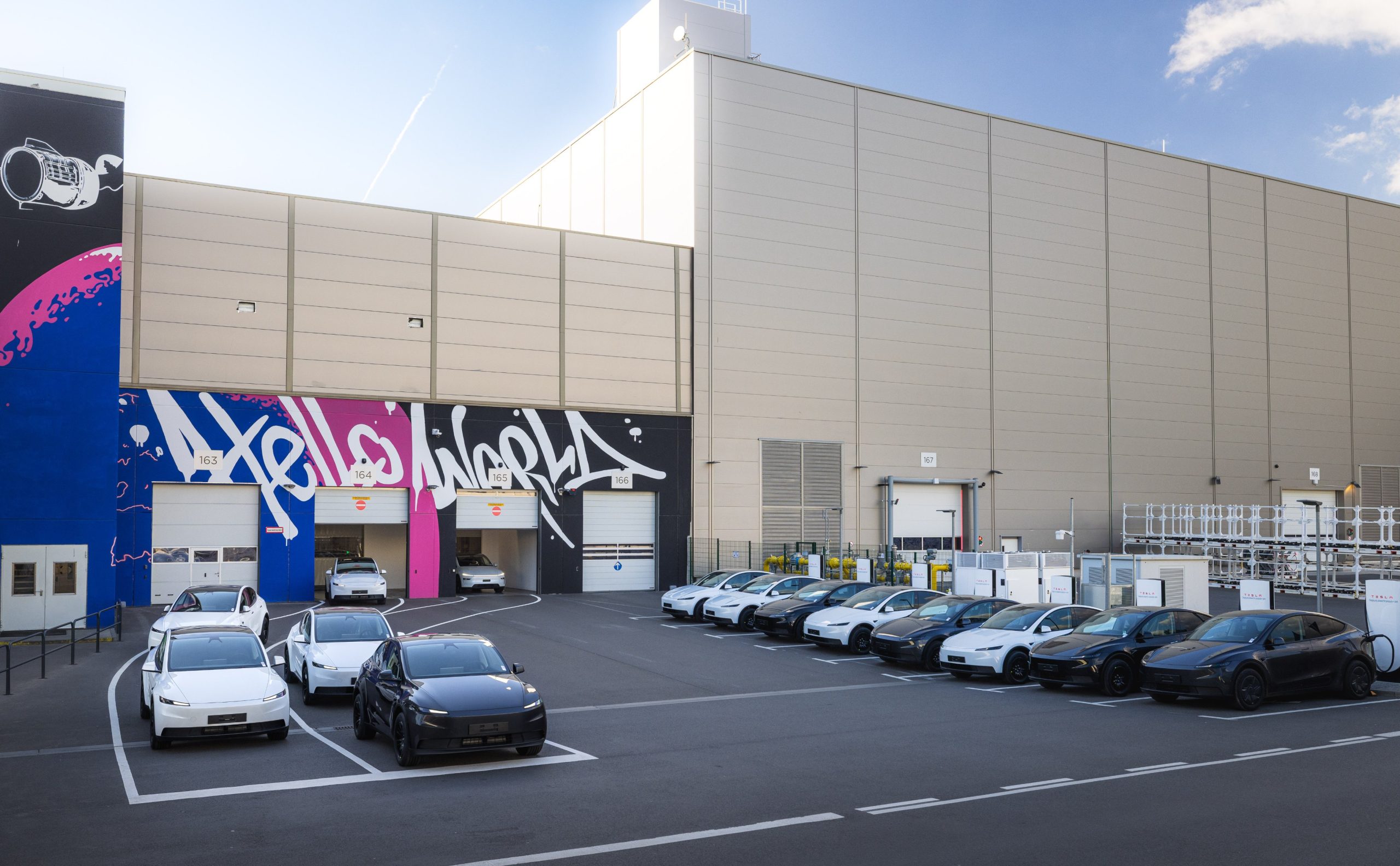
For Tesla investors and owners, the stability of Giga Berlin is paramount. The factory is crucial for supplying Model Y vehicles to the European market and is slated for future expansion. A stable, productive labor environment is essential for hitting output targets and maintaining growth. This election result reduces the near-term threat of widespread strikes orchestrated by IG Metall, which is a positive signal. Yet, it introduces a new variable: the untested strength of the direct relationship between Tesla and its newly empowered employee representatives. The world will be watching to see if this model fosters collaboration or sows the seeds for a different kind of discord.