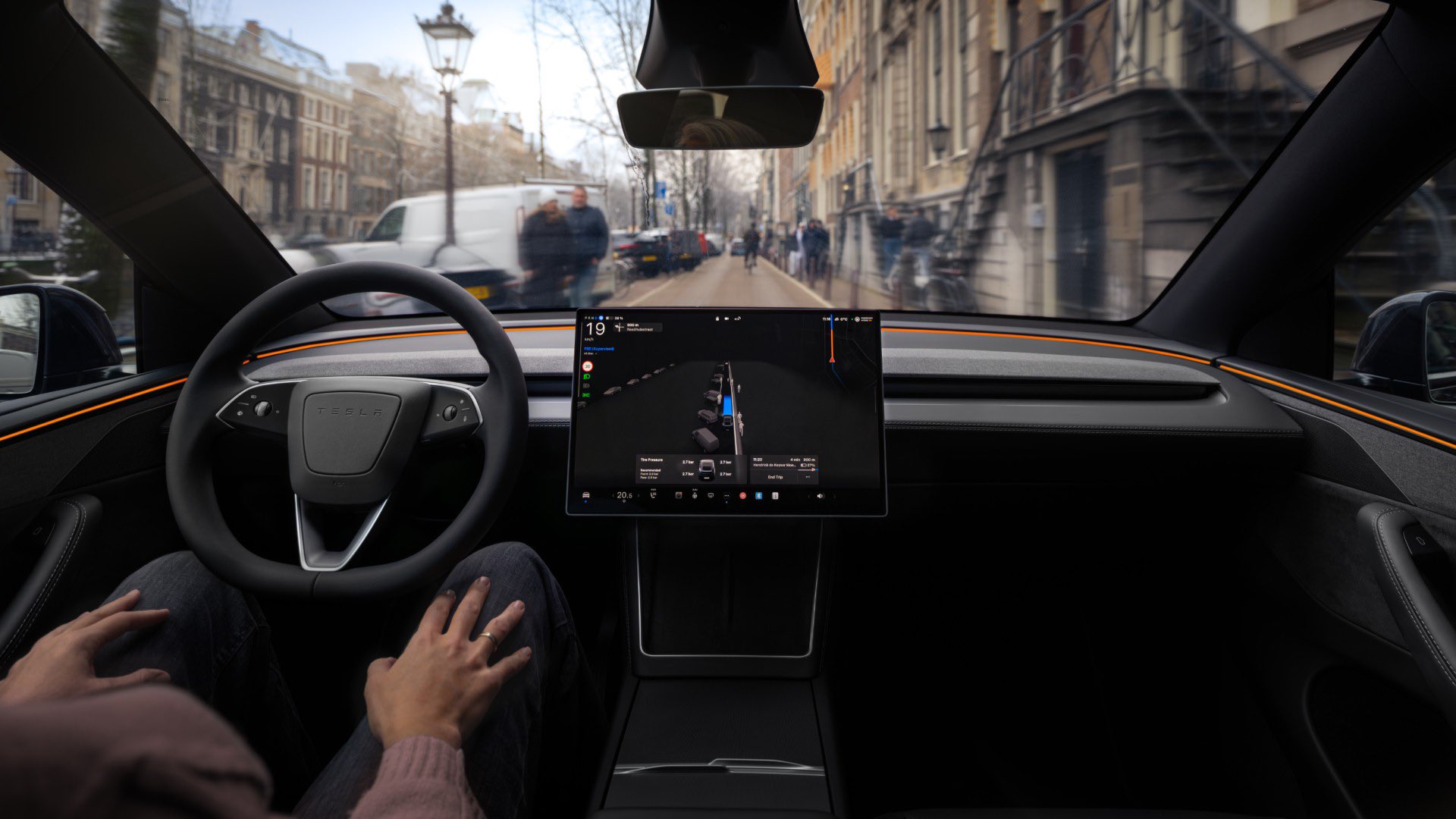
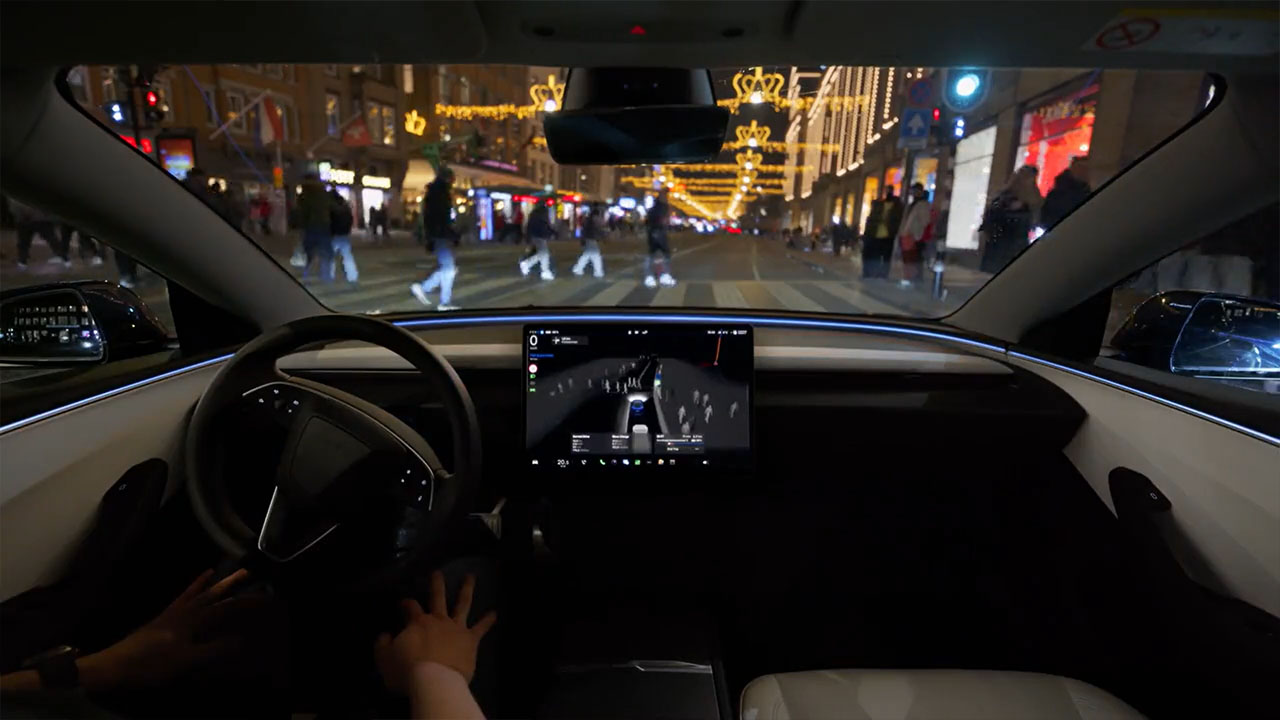
In a landmark decision for Tesla and the future of automated driving in Europe, the Netherlands has become the first country on the continent to grant official regulatory approval for Tesla's Full Self-Driving (FSD) Supervised system. The Dutch vehicle authority, the RDW, confirmed the type approval this week, allowing Tesla to legally activate the advanced driver-assistance suite for eligible vehicles on Dutch roads. This move breaks a longstanding European regulatory logjam and sets a crucial precedent that other nations will now be forced to consider.
A Regulatory Breakthrough Under UN R-171
The approval is not a blanket endorsement but a specific technical certification under the UN Regulation No. 171, which governs Driver Control Assistance Systems. This regulation provides a legal framework for systems that can control both lateral (steering) and longitudinal (acceleration/braking) vehicle motions on highways. After more than 18 months of rigorous testing and evaluation by the RDW, Tesla's FSD Supervised—which requires constant driver supervision and readiness to intervene—has been deemed compliant. It is critical to note that this is not an EU-wide approval; it is a national decision by the Netherlands that other member states may, at their own discretion, choose to recognize.
What This Means for Dutch Tesla Drivers
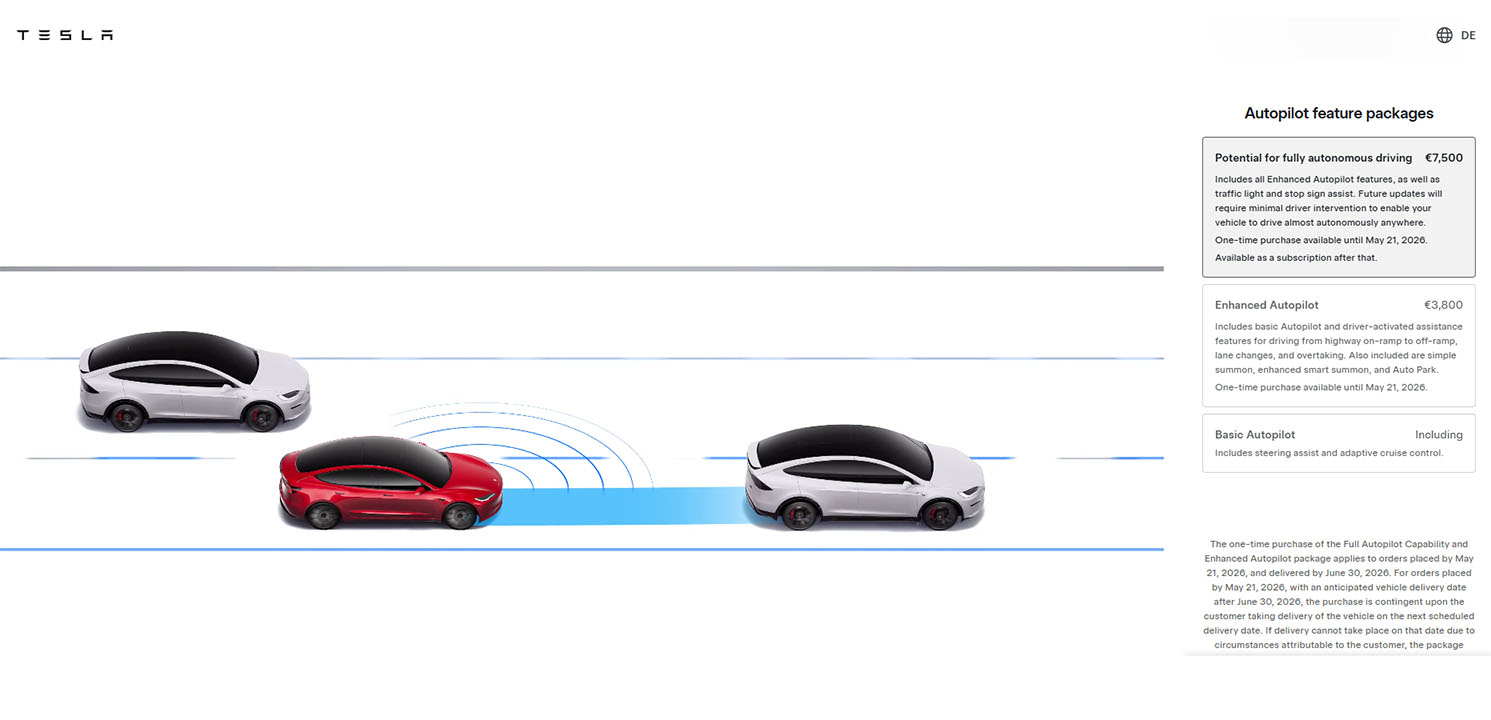
For Tesla owners in the Netherlands with hardware-compatible vehicles, this approval unlocks access to the much-anticipated FSD Supervised feature set. This includes automated navigation on city streets, recognizing and responding to traffic signals and signs, and making complex turns—all with the driver actively monitoring the system. The "Supervised" designation remains paramount; it is a Level 2+ system, not autonomous driving. The immediate implication is a significant enhancement of Tesla's Autopilot capabilities in the country, moving beyond basic highway assist to a more comprehensive urban driving aid, provided owners purchase or subscribe to the FSD package.
The path forward in Europe remains complex. While the Netherlands' approval creates a beachhead, each EU member state maintains its own national authority to accept or reject the RDW's findings. A synchronized, bloc-wide approval would require a separate and more arduous process through the European Commission. Consequently, Tesla's strategy will likely involve leveraging this Dutch victory to encourage rapid national recognitions in key markets like Germany, France, and Belgium, while continuing to pursue the broader EU goal.
For Tesla investors and owners across Europe, the Dutch approval is a watershed moment. It validates the core technology's ability to meet stringent European regulatory standards, de-risking a portion of Tesla's future revenue stream from FSD in a major economic region. It also increases pressure on competitors whose advanced driver-assist systems now face a newly activated and highly visible benchmark in the market. The coming months will reveal whether this triggers a domino effect or a patchwork of national decisions, directly impacting Tesla's competitive edge and service offering on the continent.