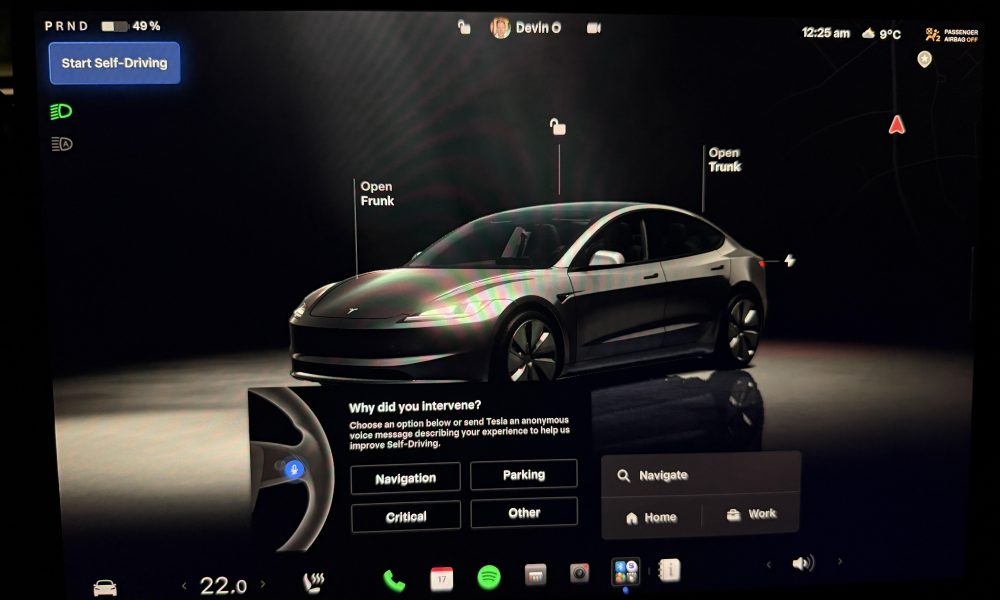
Tesla has officially begun the wide release of Full Self-Driving v15, and after receiving the update in the first wave on Saturday night, it is clear this is the most significant software leap the program has seen in years. While the release notes are packed with incremental refinements, one feature dominates the conversation: Reality View. This is not merely a new visualization layer; it represents a fundamental shift in how the vehicle interprets and renders the world around it, and it arrives with a surprising efficiency story attached.
Reality View: A Generative Window Into the Neural Net
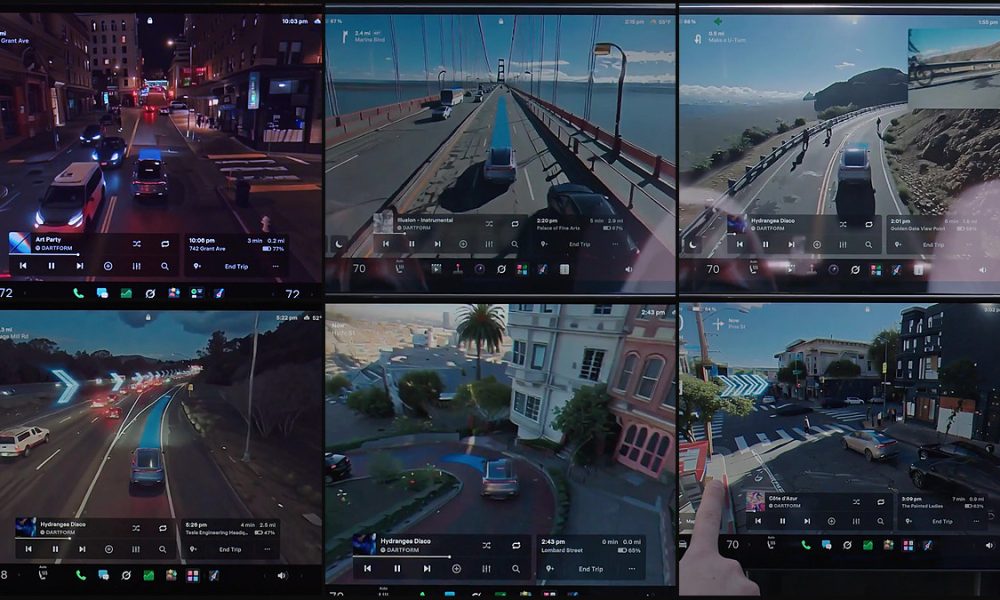
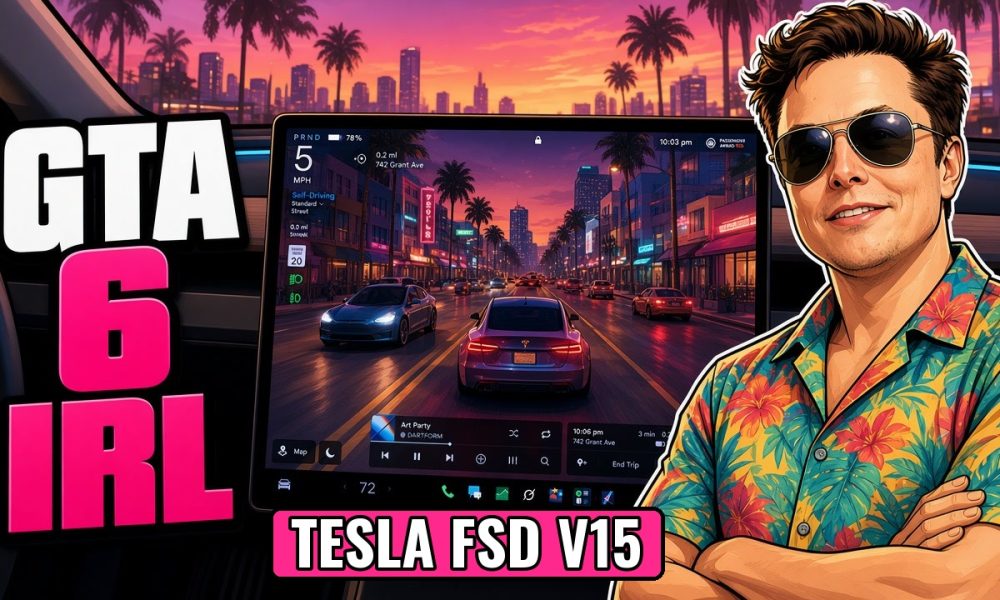
At its core, Tesla Reality View is a real-time AI video generation of the outside world. Unlike the earlier driving visualizations that stitched together bounding boxes and lane lines from perception data, Reality View synthesizes a continuous, photorealistic feed of the environment directly from the vehicle's sensor suite and neural networks. The result is a display that feels less like a video game HUD and more like a living render of the road ahead, with vehicles, pedestrians, and road geometry flowing smoothly rather than snapping between frames.
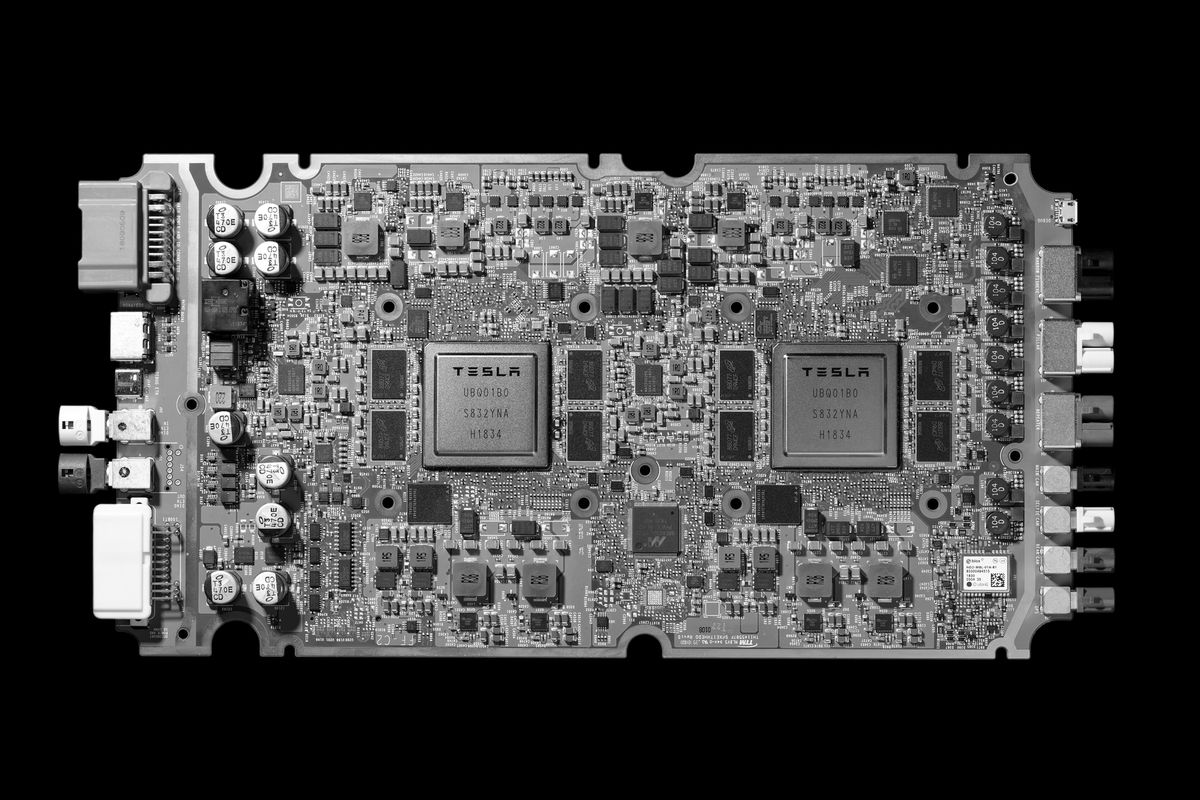
The engineering achievement here is not just visual fidelity but computational restraint. Tesla has managed to deliver this generative view while actually using less compute than previous visualization stacks required. That matters enormously for owners on older hardware, who have long worried that each FSD update would push their vehicles further toward obsolescence. By optimizing the rendering pipeline, Tesla is signaling that its AI4 and legacy inference hardware can still be pushed meaningfully forward through software alone.
What Else Is New in v15
Beyond Reality View, v15 brings a broad set of refinements that address the friction points owners have complained about for months. The release includes smoother lane-change decision-making, improved handling of complex intersections, and a more natural acceleration and braking profile that should reduce the lurching sensation passengers often notice. Tesla has also tuned the system's behavior around vulnerable road users, with earlier and more cautious responses to cyclists and pedestrians at crosswalks.
The update also expands the scope of the end-to-end neural network, meaning more of the driving policy is now learned rather than hand-coded. This is the architectural direction Tesla has been telegraphing for over a year, and v15 is the clearest evidence yet that the end-to-end approach is maturing into something customers can feel in daily driving. Owners in the first wave report that interventions are becoming rarer on familiar routes, though the system still demands supervision as Tesla's Supervised FSD branding makes explicit.
The Compute Question and the Road Ahead
The efficiency gains in v15 are strategically important. Tesla has faced scrutiny over whether its older Hardware 3 fleet can sustain the compute demands of future FSD releases, and Reality View's lower overhead is a direct answer to that concern. If Tesla can keep shipping meaningful capability upgrades without forcing hardware swaps, it protects the resale value of millions of vehicles and preserves the goodwill of the installed base that funded the FSD program in the first place.
For Tesla owners, v15 is a reason to be genuinely optimistic: the update is rolling out broadly, the driving experience is tangibly better, and the visualization finally matches the sophistication of the underlying AI. For investors, the message is subtler but no less important. A software release that improves capability while reducing compute per mile strengthens the case that Tesla's autonomy stack is scaling efficiently, which is precisely the argument needed as the company moves toward unsupervised robotaxi ambitions. The rollout has only just begun, but v15 already reads as a statement of intent: Tesla is not waiting for new hardware to deliver the next chapter of FSD.