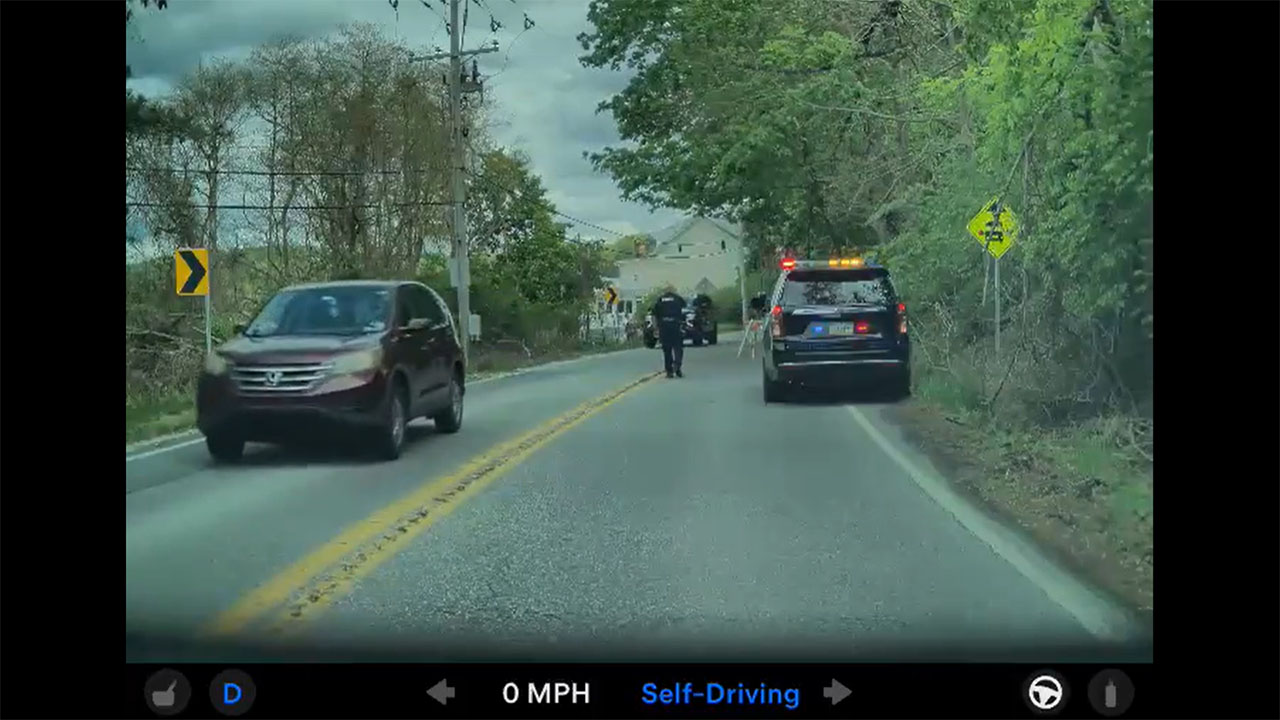
Tesla has initiated the rollout of its highly anticipated Full Self-Driving (FSD) v14.3 software to Early Access Program (EAP) testers, marking a critical step forward following a notably turbulent previous release. This update arrives with the promise of significant refinements, aiming to address the erratic behavior that characterized its predecessor and steer the autonomous driving system toward greater consistency and reliability.
Moving Beyond the "Most Confusing" Release
The launch of v14.3 is particularly consequential as it follows FSD v14.2.2.5, which one prominent tester described as the most "confusing" FSD release of all time. That version, despite incremental improvements, was reportedly plagued by inconsistent decision-making, unexpected hesitations, and unpredictable maneuvers that undermined driver confidence. The jump to v14.3 is therefore framed not just as another routine update, but as a necessary corrective—a software version tasked with stabilizing the foundation of Tesla's ambitious vision for autonomous driving. The performance gap between these two iterations will be the primary focus for evaluators in the coming days.
Anticipated Refinements and Core Improvements
While Tesla's release notes are often succinct, the expectation within the EAP community is that v14.3 will deliver foundational enhancements to the system's core neural networks. Key areas for scrutiny will include smoother navigation through complex intersections, more natural and confident lane changes, and improved object permanence—the system's ability to track and predict the path of vehicles, pedestrians, and cyclists even when temporarily obscured. The update is also expected to further refine the vehicle's control authority and comfort, reducing "phantom braking" events and producing more human-like acceleration and deceleration profiles in stop-and-go traffic.
Early testers are now tasked with putting these anticipated improvements to the test in diverse real-world conditions. Their feedback will be crucial in determining whether v14.3 successfully resolves the confusion of the past version and represents a tangible leap in the safety and usability of the FSD suite. The transition from a "confusing" system to a "coherent" one is essential for Tesla as it continues its incremental march toward a truly driverless future.
Implications for Tesla Owners and Investors
For the broader Tesla community, the successful stabilization of FSD in v14.3 carries substantial weight. For owners subscribed to or purchasing the FSD capability, a more reliable and predictable system directly enhances the value proposition of their investment, transforming the feature from a novel beta into a genuinely useful driving aid. A positive reception could accelerate wider rollout plans, bringing more advanced autonomy to the general fleet. For investors, consistent progress in FSD software is a key pillar of Tesla's long-term valuation thesis, which hinges on the company's lead in artificial intelligence and robotics. Each stable, high-performing release strengthens Tesla's claim to technological leadership in the electric vehicle and autonomy space, while a stumble could invite renewed skepticism. All eyes will now be on the real-world data and user experiences emerging from the Early Access Program in the hours and days ahead.