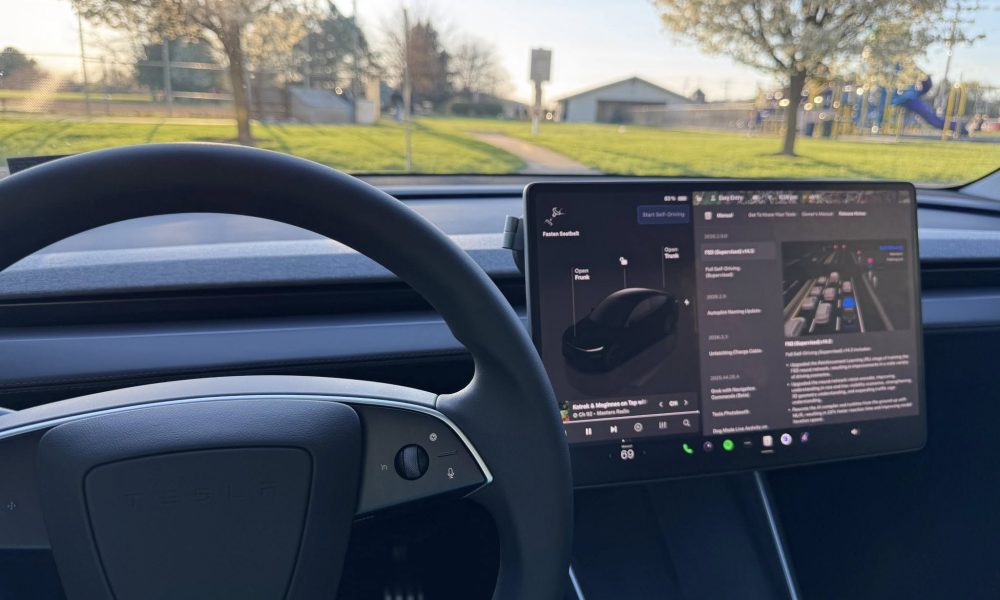
Tesla's march toward autonomous driving has taken its latest, critical step with the limited release of Full Self-Driving (FSD) v14.3. Deployed to members of the coveted Early Access Program (EAP), this update arrives as a direct successor to the polarizing v14.2.2.5, promising to address key shortcomings and refine the system's neural network-driven approach. Early hands-on impressions suggest a significant recalibration is underway, marking a return to confidence for testers who had grown wary of the previous version's erratic behavior.
A Return to Predictable, Confident Driving
The most immediate improvement reported by early testers is a dramatic reduction in "phantom braking" and hesitation. Where v14.2.2.5 was often described as confused and frustrating—overreacting to shadows, distant objects, and complex traffic scenarios—v14.3 appears to process its environment with greater contextual understanding. The vehicle's acceleration and deceleration profiles are notably smoother, contributing to a more natural and comfortable ride for occupants. This foundational shift back to predictable operation is not merely an incremental tweak; it represents a crucial step in building user trust and system reliability, which had eroded with the last major update.
Refining the Nuances: Unprotected Turns and Lane Selection
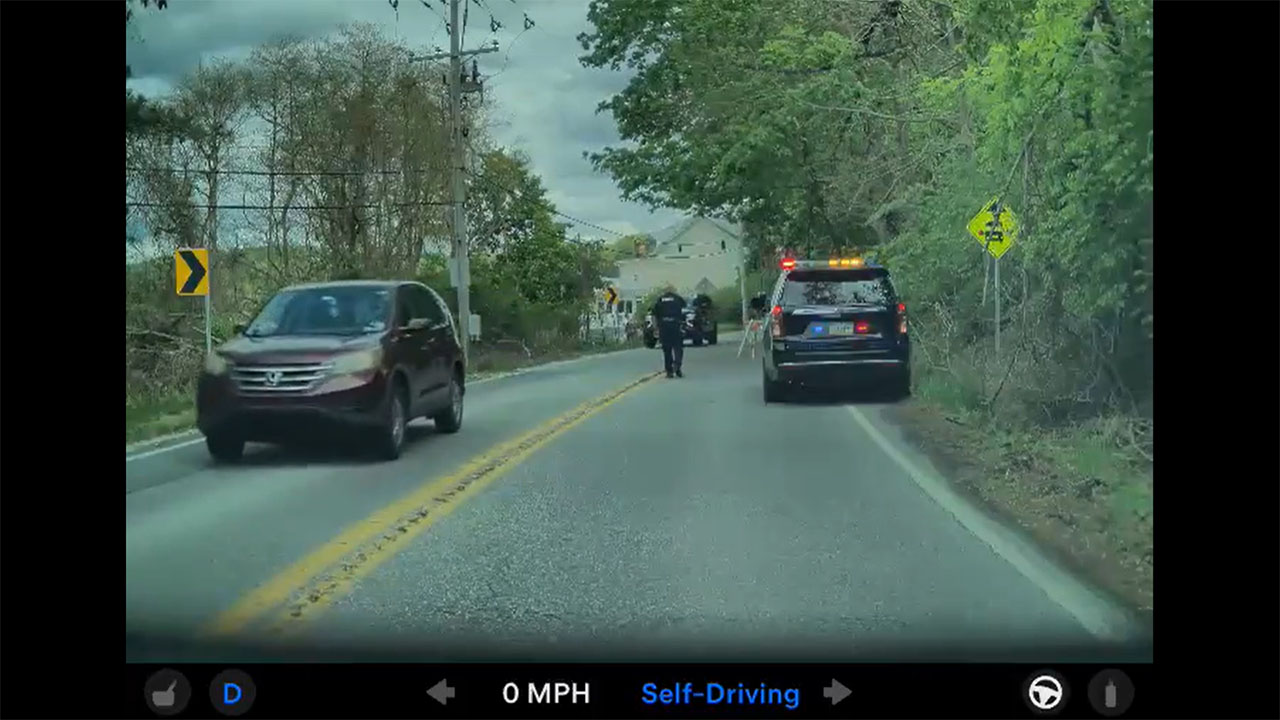
Beyond core driving behavior, v14.3 shows targeted progress in historically challenging maneuvers. The system's handling of unprotected left turns—a benchmark for autonomous complexity—reportedly demonstrates better judgment in gap selection and more assertive yet safe movement into intersections. Furthermore, early drives indicate improvements in strategic lane selection, with the software making more logical preparations for upcoming turns and showing less indecision when navigating multi-lane roads. These are not revolutionary changes but essential refinements that edge the system closer to a human-like understanding of traffic flow and road etiquette.
It is critical to contextualize this update within Tesla's overarching "vision-only" strategy. Unlike other automakers relying on sensor suites like lidar, Tesla's FSD Beta hinges entirely on camera input processed by its neural networks. Each version, therefore, acts as a snapshot of the AI's evolving perception of the world. The leap from v14.2.2.5 to v14.3 suggests substantial retraining and tuning of these networks, effectively teaching the car to better interpret visual data and reduce false positives that led to conservative or erratic actions. This iterative, data-driven development cycle is central to Tesla's ambitious timeline for achieving full autonomy.
Implications for Tesla Owners and Investors
For the broader Tesla community awaiting a wide release, these early v14.3 impressions are an encouraging sign. A stable and confident FSD build is paramount for the planned expansion of the subscription service and the eventual realization of its revenue potential. Investors will watch closely as this version progresses through testing; consistent positive feedback could accelerate deployment, positively impacting software adoption rates and the company's margin profile. For current FSD Beta users, v14.3 represents a hopeful correction course, potentially restoring the functionality that makes the assisted driving experience valuable rather than stressful. As always, the journey toward full autonomy remains iterative, but with v14.3, Tesla appears to have steered back onto a smoother road.