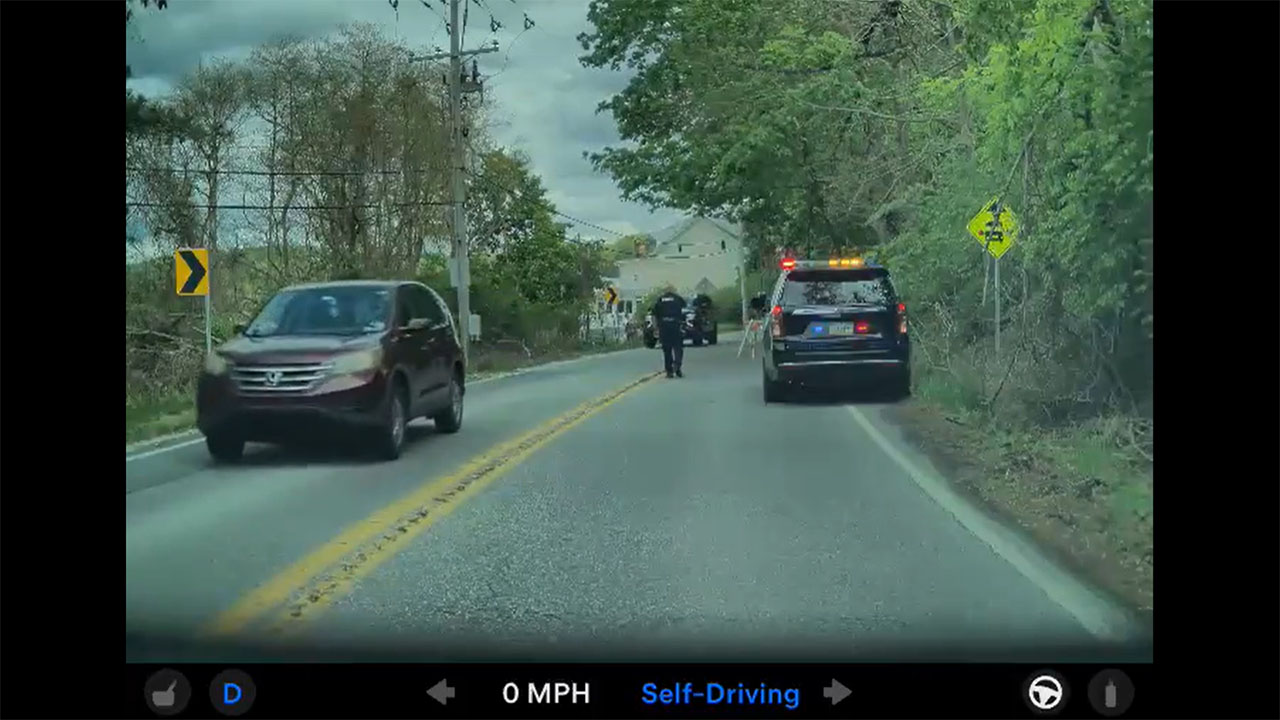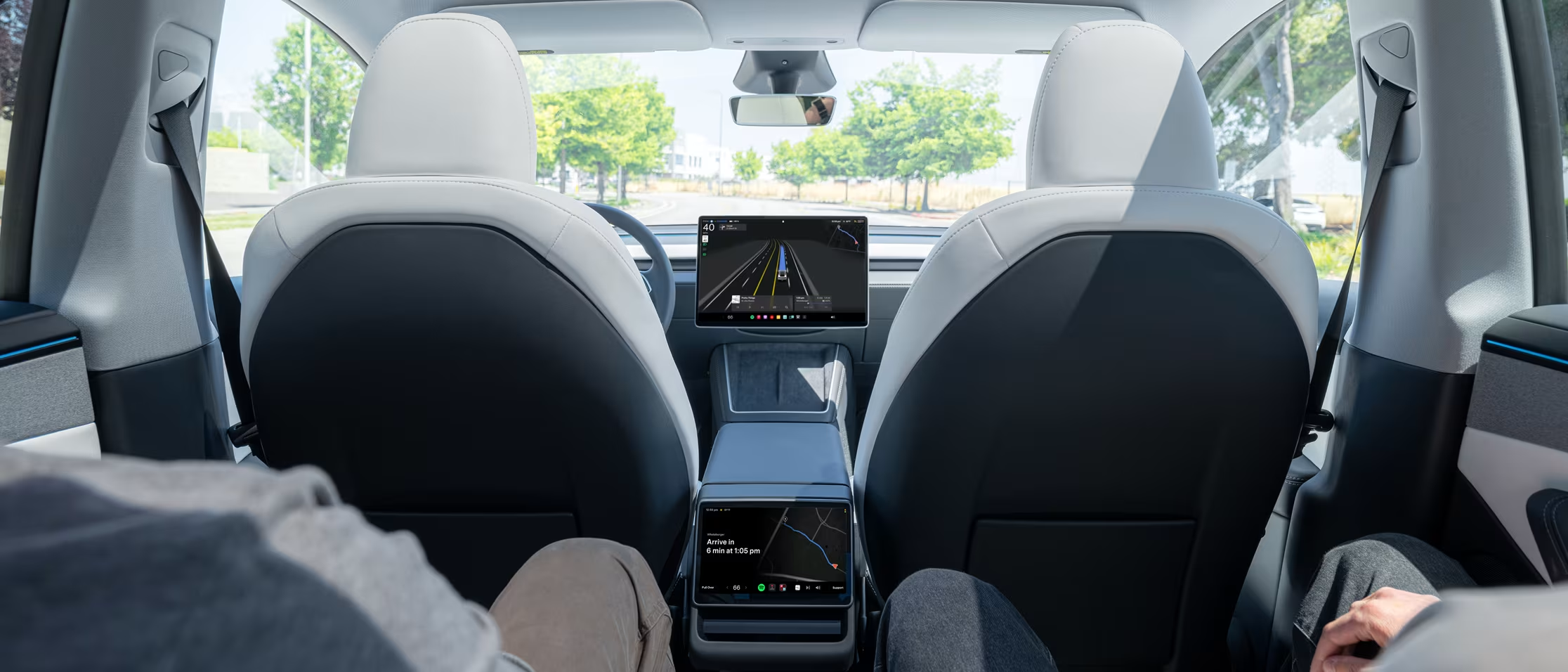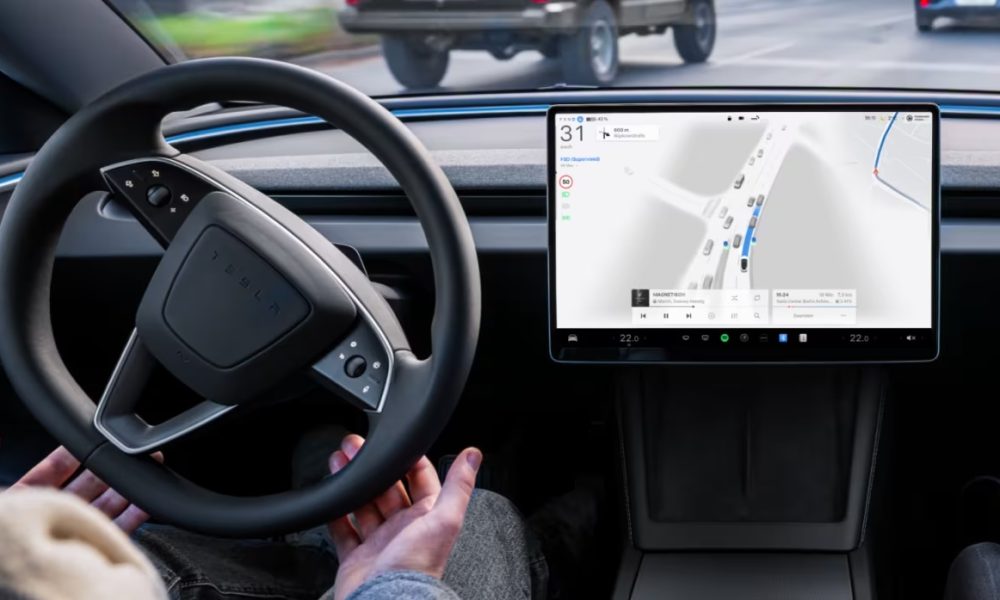
Tesla's march towards autonomous driving is rarely a straight line, but the latest software update has left testers and owners navigating a particularly bewildering path. The rollout of Full Self-Driving (FSD) Beta v14.2.2.5 is being described as one of the most perplexing releases to date, characterized not by incremental progress but by jarring extremes of brilliant capability and confounding regression. This isn't the typical two-steps-forward, one-step-back narrative; it's a release where the vehicle seems to take a giant leap in one scenario only to stumble on fundamentals in the next.
A Tale of Two Extremes: Breakthroughs and Baffling Regressions
Early adopters and seasoned FSD testers report that v14.2.2.5 demonstrates moments of unprecedented sophistication. The system is handling certain complex, unprotected left turns and multi-lane merges with a new level of confidence and human-like timing that has impressed even skeptical users. These flashes of advanced competence suggest underlying improvements in the AI's spatial understanding and predictive algorithms. However, these highs are dramatically undercut by simultaneous, significant regressions in areas where the software was previously reliable. Testers note an increase in "phantom braking" events on clear roads, hesitation at simple intersections, and unusual lane positioning—behaviors that had been largely mitigated in earlier versions. This co-existence of peak and valley performance within the same drive cycle is the core of the confusion.
Decoding the Chaos: What's Behind the Volatility?
This volatility likely stems from the foundational shift to Tesla's "end-to-end neural network" architecture introduced in v12. As the company moves away from hundreds of thousands of lines of explicit C++ code to a system where the neural net controls the vehicle from video input to steering output, the learning process becomes more holistic but less predictable. The AI may have mastered certain high-complexity tasks by recognizing deeper patterns, while inadvertently "unlearning" or misweighting cues for simpler scenarios. Essentially, the neural net is optimizing for a broader driving intelligence, but this retraining can create temporary instability as it re-calibrates its understanding of the world, leading to the erratic performance observed in v14.2.2.5.
The mixed signals from this release place Tesla owners in a familiar yet amplified position of being beta testers. For those with access to FSD, it necessitates heightened vigilance, as the car's behavior is less consistent. The promise of stunning competence is now paired with the risk of unexpected basic errors, making every drive an active evaluation. For investors and observers, this update underscores the non-linear nature of artificial intelligence development. Progress in true autonomous driving isn't a smooth curve; it's a turbulent process of discovery where setbacks are not merely obstacles but integral data points in the neural net's education. The confusion of today's release may well be the necessary friction for a more capable and generalized system tomorrow.