The National Highway Traffic Safety Administration (NHTSA) has escalated its ongoing investigation into Tesla's driver-assistance systems, shifting its most prominent probe into a new, more intensive phase. This latest engineering analysis, now encompassing an estimated 3.2 million vehicles across Tesla's current lineup, represents a significant deepening of regulatory scrutiny into the core functionality and safety assurances of the company's most advanced software.
From Recall Query to Engineering Analysis
This move by the NHTSA is a formal progression from a preliminary evaluation initiated in 2022. The regulator is now mandating deeper cooperation from Tesla to understand the fundamental performance and limitations of its Full Self-Driving (FSD) Beta and Autopilot systems. Central to the investigation are the suite's degradation detection systems—the software protocols designed to monitor driver engagement and ensure the human remains responsible for the vehicle. The NHTSA is seeking detailed data on how these systems perform, especially when they are needed most.
Focus on "Difficult Visibility Conditions"
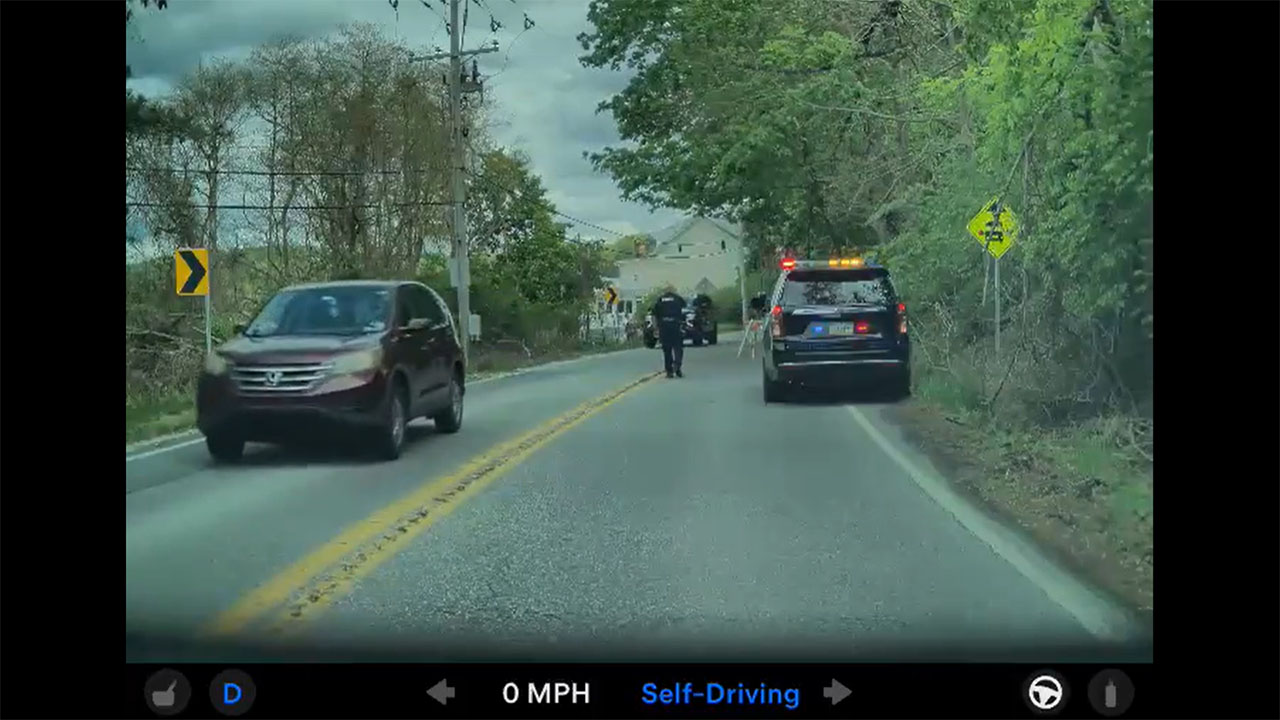
A critical line of inquiry focuses on how Tesla's systems behave when sensors are compromised. The engineering analysis specifically aims to identify the effectiveness of FSD and Autopilot when vehicles encounter difficult visibility conditions, such as heavy rain, fog, or blinding glare. The concern is whether the technology can adequately recognize its own limitations in these scenarios and either compensate effectively or prompt the driver to take control with sufficient warning. This probe examines the interplay between camera-based perception and the driver-monitoring cabin camera, questioning if the overall system design adequately mitigates risk in suboptimal environments.
The scale of this investigation—covering nearly every Tesla sold in the U.S. since the 2016 model year—underscores the high stakes for both the regulator and the automaker. For NHTSA, it is a complex assessment of a rapidly evolving, software-defined driving technology that challenges traditional automotive safety frameworks. For Tesla, the probe cuts to the heart of its technological ambition and its controversial deployment strategy of public beta testing for its driver-assistance suite. The findings could influence not only potential future recalls but also the regulatory pathway for all automated vehicle systems.
For Tesla owners and investors, this intensified scrutiny is a pivotal development. A conclusive finding from the NHTSA could lead to a mandated software update altering the behavior of FSD and Autopilot, potentially affecting the user experience of millions. For the investment community, it introduces another layer of regulatory risk that could impact Tesla's valuation, which has long been buoyed by the promise of its autonomy technology. The outcome will set a crucial precedent for how advanced driver-assistance systems are evaluated and regulated, shaping the competitive landscape for the entire EV and autonomy sector for years to come.