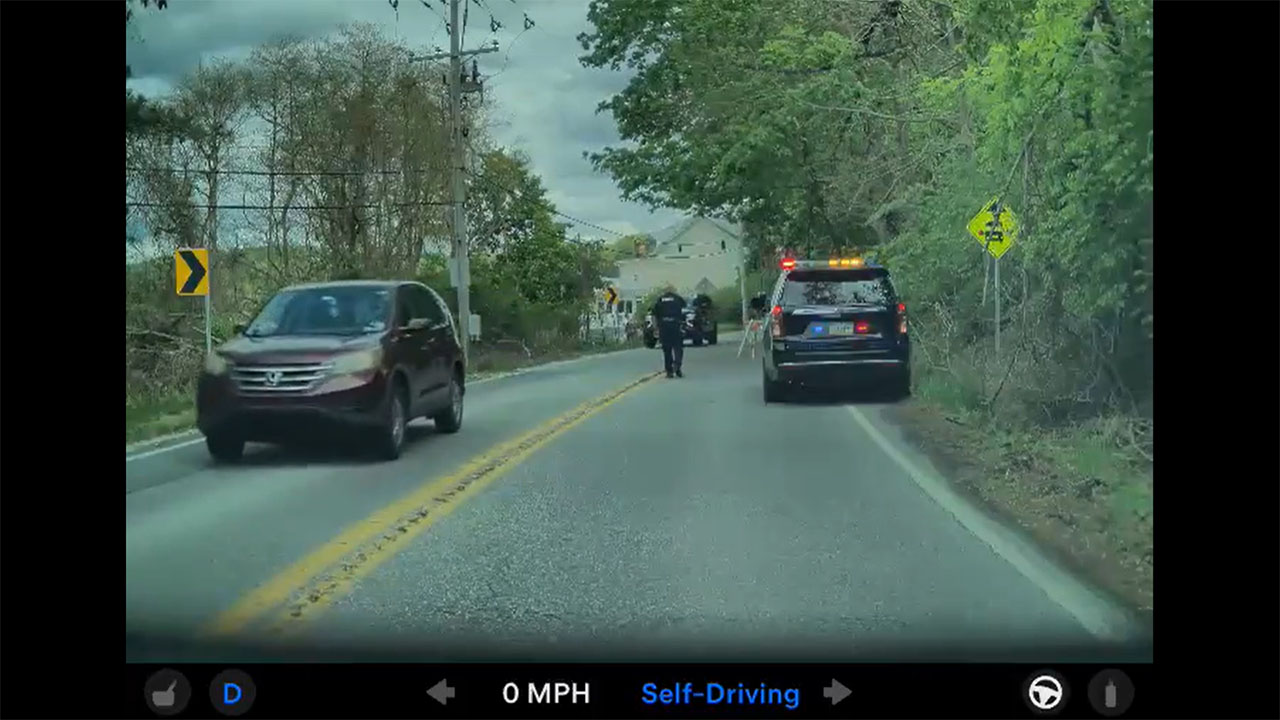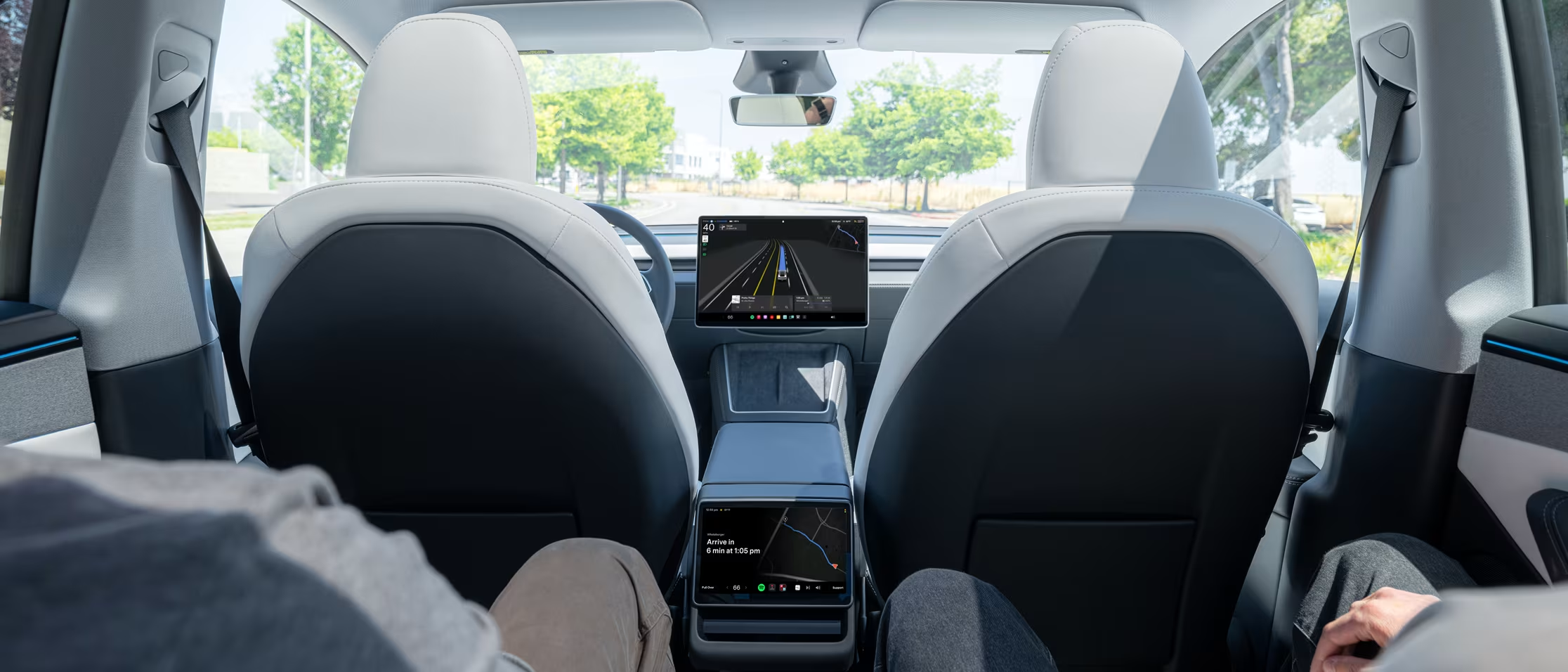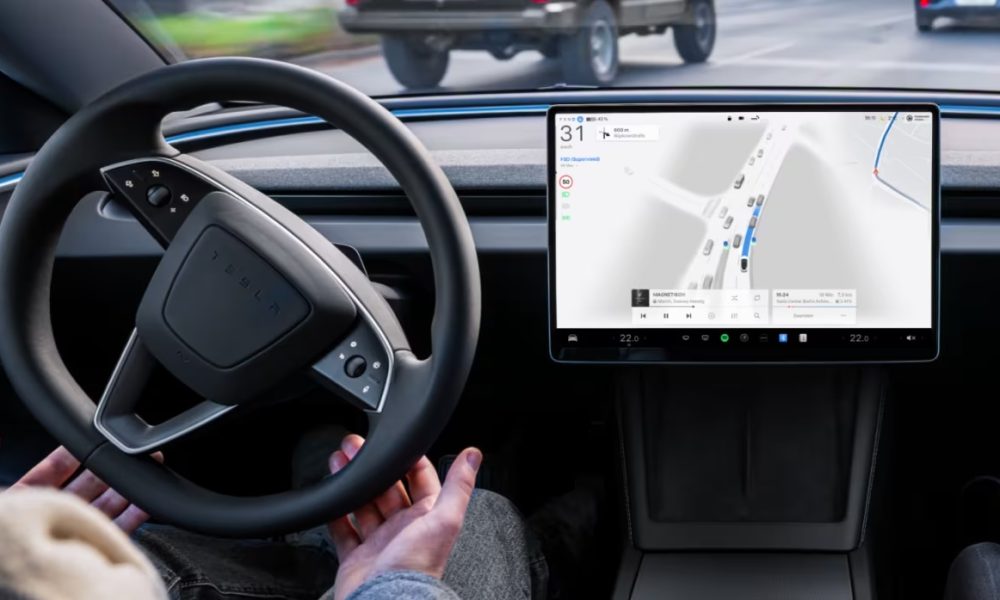
After years of anticipation and regulatory navigation, Tesla's most advanced driver-assistance system is on the cusp of a historic European debut. In a significant breakthrough, the automaker has cleared a monumental administrative hurdle, submitting all required documentation for UN R-171 approval and Article 39 exemptions to Dutch authorities. This critical step, confirmed by sources familiar with the process, signals that the complex puzzle of bringing Full Self-Driving (FSD) to Europe's diverse roads is finally being solved, starting with a key gateway market.
The Regulatory Gateway: RDW Review and a Revised Timeline
The Netherlands' Vehicle Authority, the RDW, is now conducting its final internal review of Tesla's submission. This follows an intense 18-month collaboration between Tesla engineers and European regulators to adapt the North American-centric FSD software for strict EU technical and safety standards. While the original target for approval was March 20, sources indicate the new expected date is April 10. This slight shift underscores the meticulous nature of the final review phase, a last step before a landmark regulatory green light that would unlock the system for Dutch customers first.
Beyond the Netherlands: A Strategic Beachhead for Continental Rollout
Securing approval in the Netherlands is strategically vital, as it acts as a homologation gateway for the entire European Union under mutual recognition rules. A Dutch certification for UN R-171—the regulation governing automated lane-keeping systems—would streamline the process for Tesla to deploy FSD in other member states. However, a full continental rollout won't be instantaneous. Each country may still require its own Article 39 exemption for this specific software version, and Tesla will need to conduct extensive validation drives to train its neural networks on Europe's unique road geometries, signage, and driving behaviors.
The introduction of FSD in Europe represents more than just a new feature; it's a potential catalyst for the region's EV software landscape. European automakers have been aggressively developing their own assisted driving suites, but Tesla's system, with its vast real-world data and end-to-end AI approach, could reset customer expectations. Its arrival will place immediate competitive pressure on legacy manufacturers to accelerate and refine their own technology offerings, potentially speeding up the broader adoption of advanced driver-assistance systems across the market.
Implications for Tesla Owners and Investors
For European Tesla owners, this breakthrough heralds the imminent activation of a long-promised, high-value capability already used by millions in North America. It could significantly enhance the utility and appeal of their vehicles, while also potentially increasing resale values. For investors, a successful European FSD launch opens a substantial new revenue stream from software sales and subscriptions in a premium automotive market. It also serves as a powerful validation of Tesla's regulatory strategy and technological adaptability, proving its ability to navigate complex international frameworks—a competency essential for its global autonomous driving ambitions.