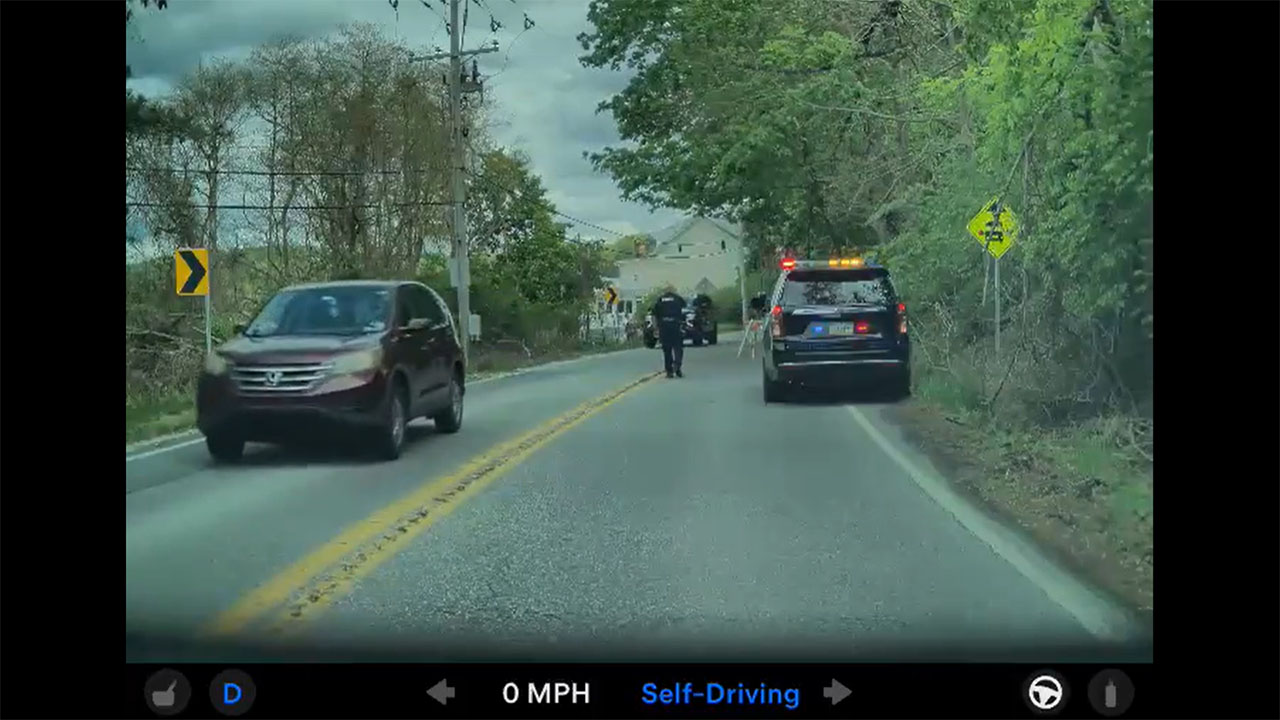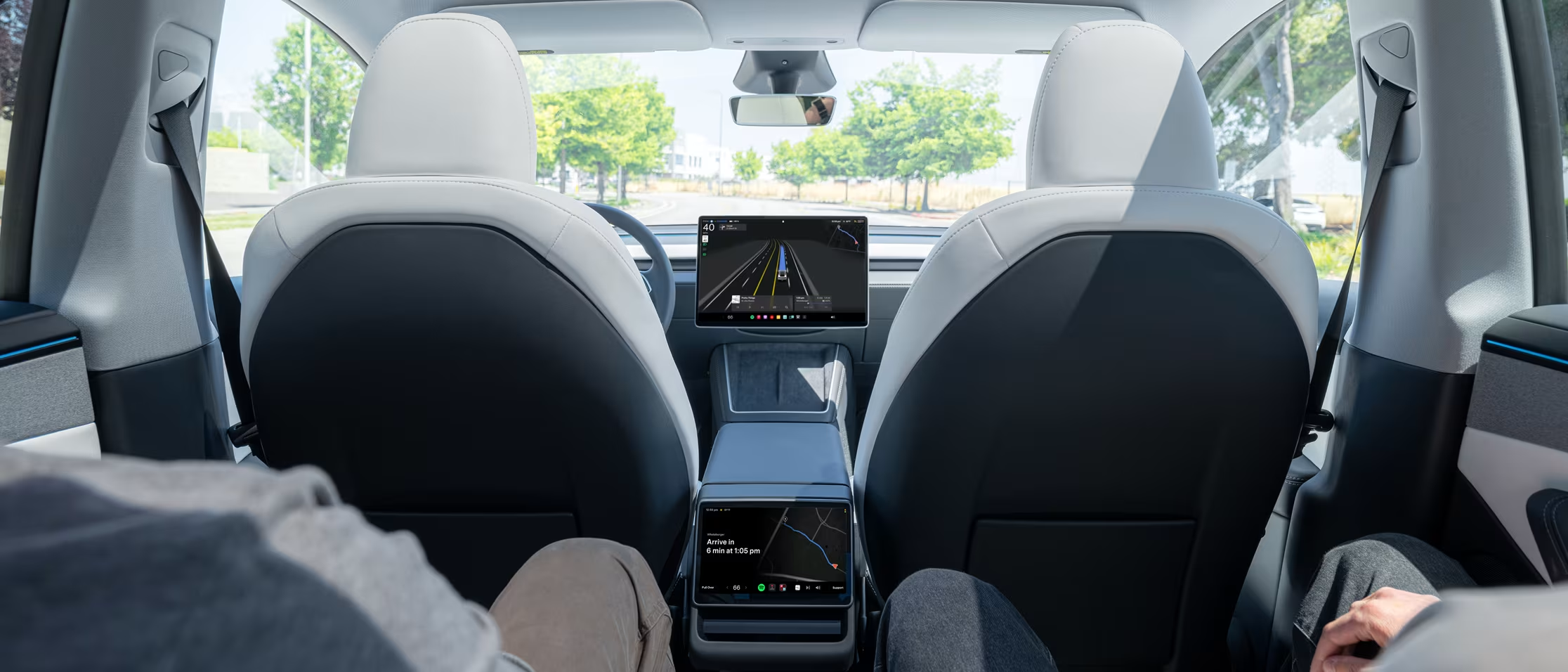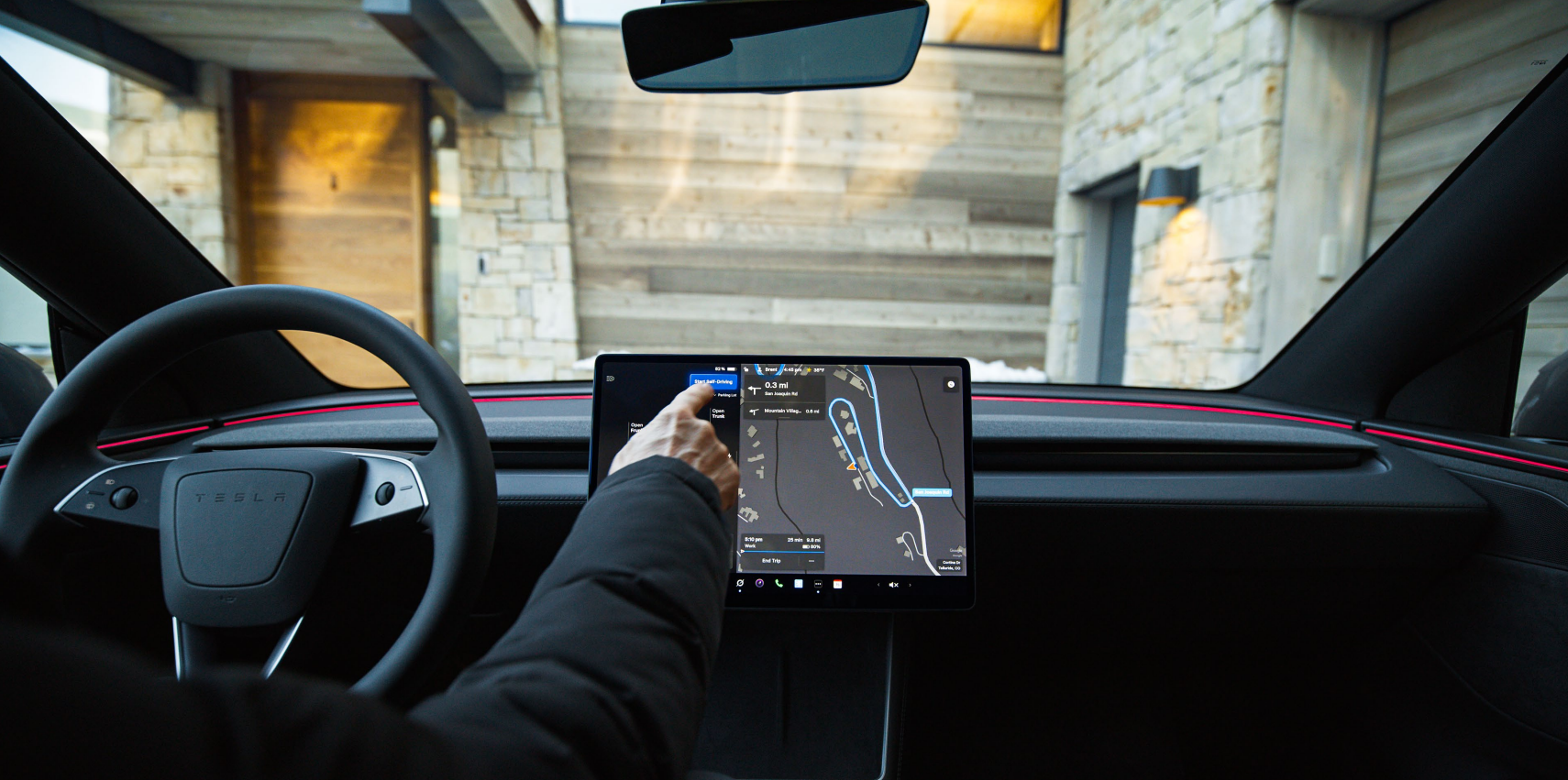
After months of anticipation and incremental updates, Tesla's autonomous driving suite appears poised for its next evolutionary leap. CEO Elon Musk has signaled that Full Self-Driving (FSD) version 14.3 is in the final stages of internal validation, with a potential release to customers measured in weeks, not months. This update represents a critical step in Tesla's "end-to-end neural network" strategy, moving the system closer to a unified AI model that processes raw camera input directly into steering, braking, and acceleration commands.
The Path to v14.3: Refining the Neural Network Approach
The journey to FSD v14 has been defined by a fundamental architectural shift. Earlier versions relied heavily on coded rules and individual neural networks for specific tasks like detecting lane lines or identifying objects. The v12 and subsequent v14 branches began the transition to a single, end-to-end AI model trained on millions of video clips from Tesla's global fleet. Version 14.3 is expected to be a significant refinement of this core technology, focusing on smoothing out driving behavior, improving edge-case handling, and reducing the need for human intervention. Musk's confirmation of ongoing testing suggests the engineering team is in the crucial phase of stamping out bugs and ensuring reliability before a broader deployment.
What Wider Testing Means for Development Velocity
Once internal QA is satisfied, Tesla typically rolls out new FSD builds to a limited group of employee and customer beta testers. This phase is invaluable, as it exposes the software to a near-infinite variety of real-world road conditions, traffic patterns, and driver behaviors that are impossible to fully replicate in simulation. The data gathered from these fleet vehicles is then fed back into Tesla's training supercomputers, creating a virtuous cycle of improvement. A wider release of v14.3 would dramatically accelerate this learning process, providing the neural network with the diverse data it needs to mature from a competent assistant into a robust, generalized driving intelligence.
For Tesla owners and investors, the imminent release of a major FSD update carries substantial implications. Each substantive step forward enhances the value proposition of Tesla vehicles, potentially boosting demand and strengthening the company's lead in AI-powered electric vehicles. More capable and reliable software also increases the likelihood of regulatory approvals for more advanced autonomous features in key markets. However, stakeholders should temper expectations with patience; while v14.3 may represent a notable improvement, the path to truly unsupervised autonomy remains iterative. The coming weeks will reveal not just new features, but the tangible progress of Tesla's ambitious, data-driven roadmap for the future of transportation.