The race for true autonomous driving has entered a critical new phase, moving from technical demonstrations to real-world consumer availability. Two starkly different philosophies are now colliding on European roads: Mercedes-Benz's certified, geofenced Level 3 "Drive Pilot" and Tesla's expansive, vision-based Full Self-Driving (Supervised) v14. This isn't just a battle of features; it's a fundamental clash between regulatory-first caution and AI-first ambition, with the future of the automobile hanging in the balance.
The Certified Comfort of Mercedes Drive Pilot
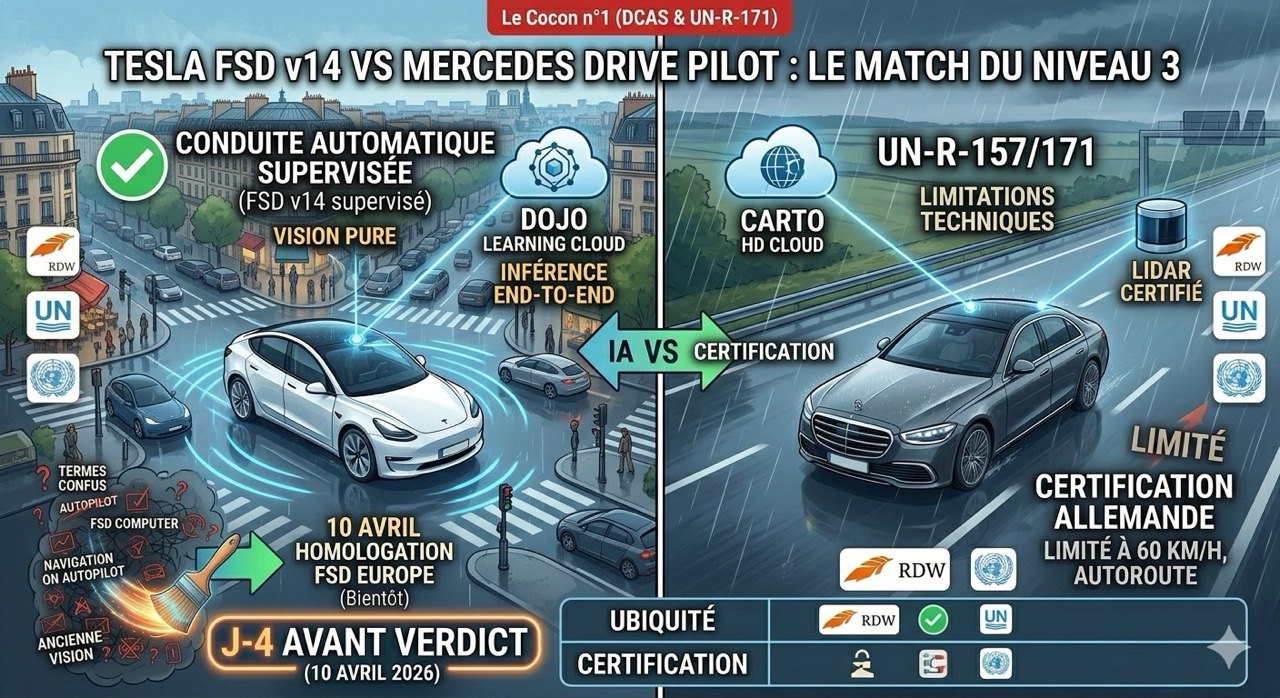
Mercedes-Benz holds a significant legal trump card. Its Drive Pilot system is the first and only Level 3 autonomous system homologated for use in Europe, following earlier certifications in the US and Germany. This certification is a game-changer: within its operational design domain—specifically, on suitable highways in traffic up to 60 km/h—the driver can legally take their eyes off the road and hands off the wheel to engage in secondary activities like watching a video. The car, not the driver, assumes liability for accidents caused by system failure. This approach is built on redundancy, using LiDAR, radar, and cameras to create a high-definition map-confined safety bubble. However, its major limitation is scope; the system deactivates outside pre-mapped highways or above its speed threshold, requiring immediate driver resumption of control.
Tesla's Expansive Vision-Only Ambition
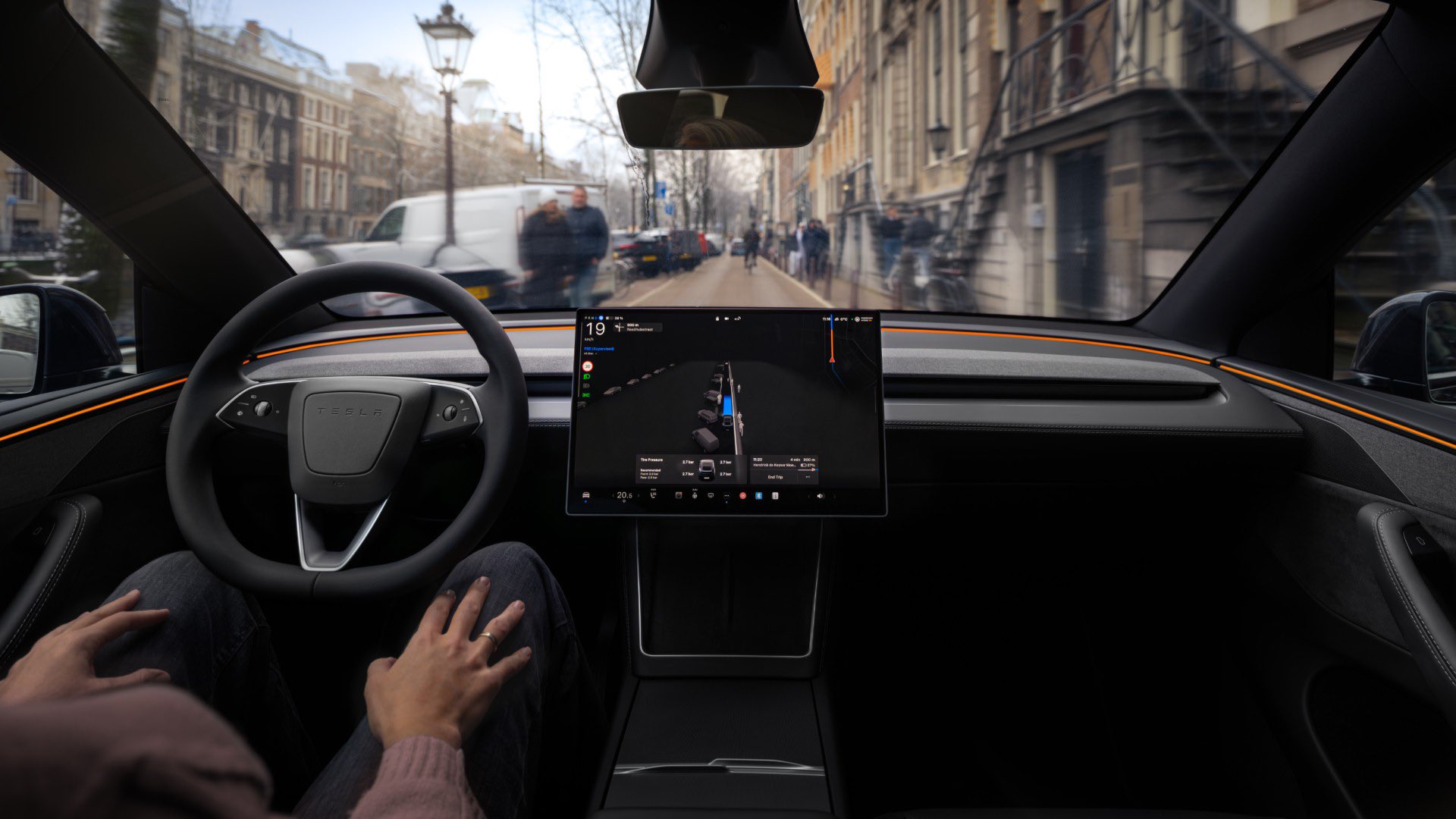
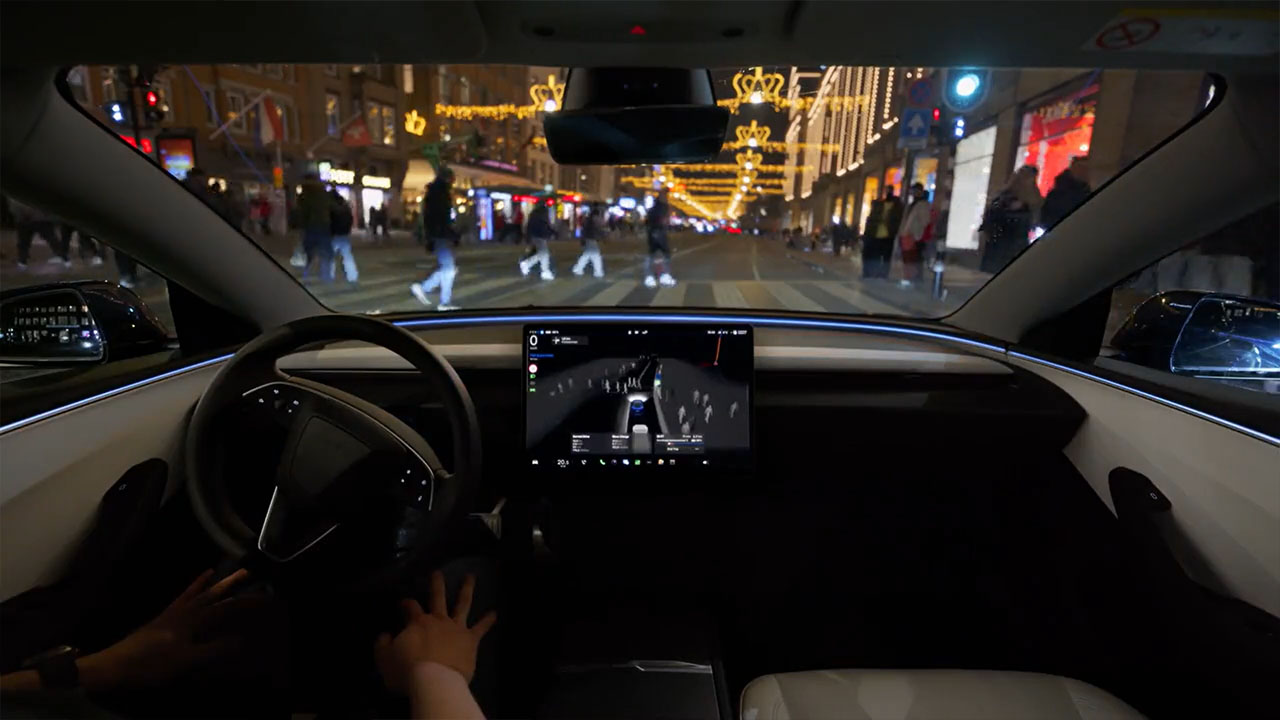
Tesla's FSD v14 represents the opposite end of the strategic spectrum. It operates as a Level 2+ system, meaning the driver is continuously responsible for monitoring and must keep their hands on the wheel. Yet, its capabilities are vastly more expansive. Leveraging its pure vision "end-to-end neural network," FSD v14 aims to navigate virtually any road, from complex urban intersections to winding country lanes, without reliance on HD maps. Tesla's argument is that scaling a generalized AI is the only path to full autonomy. While it demands constant supervision today, its update cycle promises rapid, iterative improvement across a massive fleet. The trade-off is clear: less legal freedom for the driver in the immediate moment, but a far broader operational domain and a roadmap tied to exponential software growth.
The core divergence lies in philosophy and risk appetite. Mercedes prioritizes legal clarity and incremental, certified advancement, offering a guaranteed—if limited—hands-off experience. Tesla embraces a "beta" model of continuous deployment, pushing the boundaries of AI capability to accelerate learning, accepting that regulatory recognition will follow technological mastery. For consumers, the choice is between a confined, legally-sanctioned autonomy and an ambitious, wide-ranging assistant that requires more engagement but hints at a faster-evolving future.
Implications for Tesla Owners and Investors
For Tesla owners, the v14 rollout reinforces the value of the company's software-centric approach, delivering tangible, over-the-air improvements that expand the utility of their vehicles. The direct comparison with Mercedes, however, highlights the increasing pressure on Tesla to advance its regulatory standing, particularly in key markets like Europe. Investors should watch this showdown as a proxy for the broader AV race. Tesla's ability to rapidly close the "regulatory gap" through demonstrably superior safety data will be crucial. A successful, large-scale deployment of v14 could validate its vision-only strategy and disrupt the cautious, sensor-heavy roadmap of legacy automakers, potentially unlocking new revenue streams and a decisive competitive moat. The ultimate victory will go to the company that best balances technological prowess with real-world driver trust and legal acceptance.