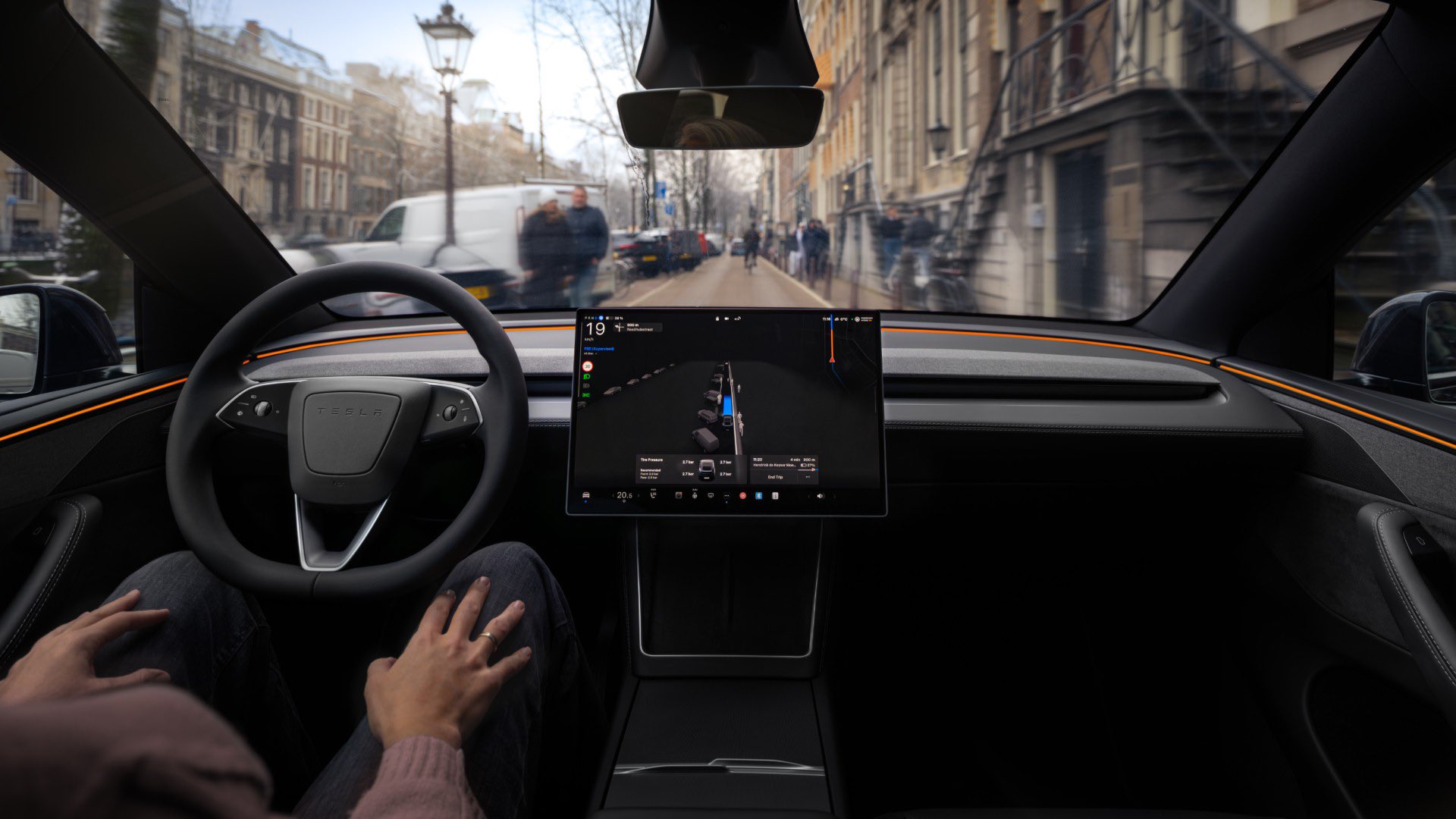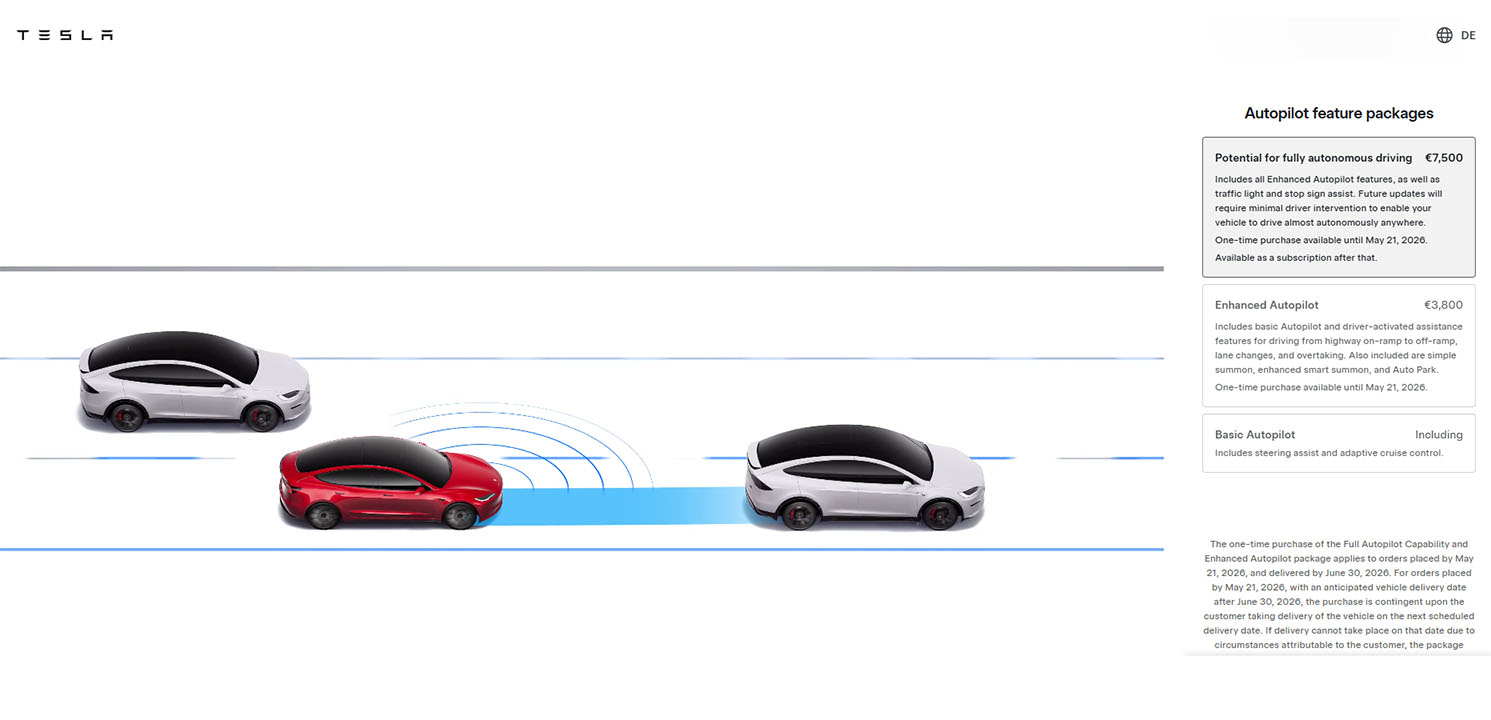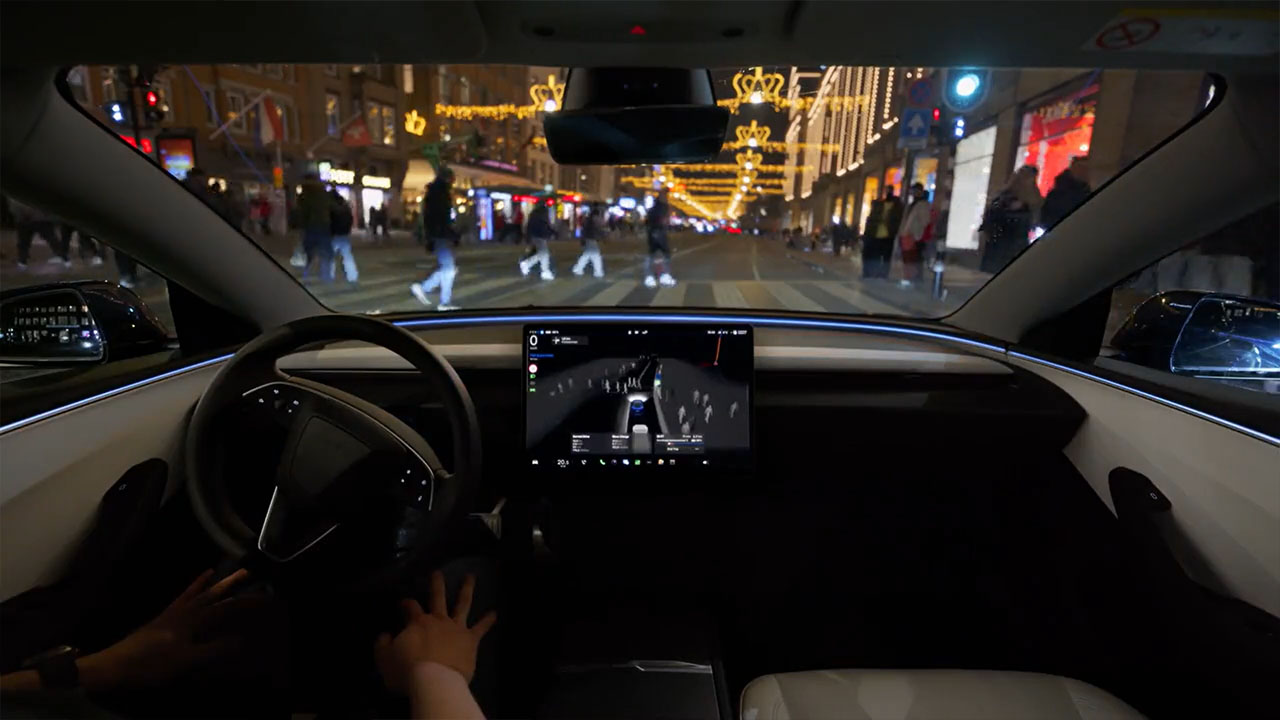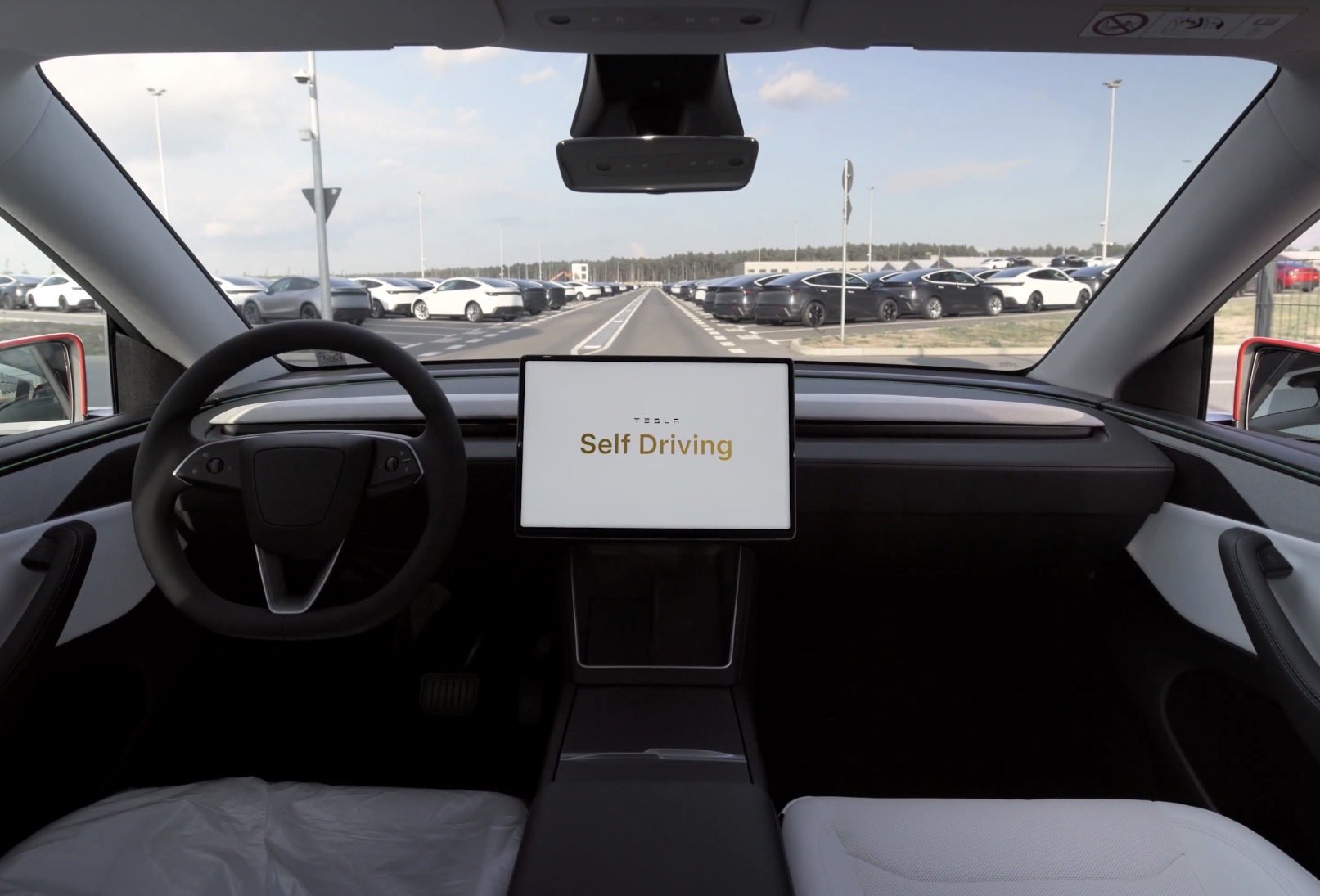
The regulatory clock is ticking in Europe, and Tesla's ambitious Full Self-Driving technology stands at a critical juncture. With the European Union's deadline for autonomous driving approval set for April 10, a pressing question is emerging from owners across the continent: is my vehicle's hardware even capable of running the anticipated FSD v14? The recent, quiet rollout of software update 2026.8.6 this morning may hold the crucial clues, sparking a wave of analysis and speculation within the Tesla community.
The Hardware Divide: From HW3 to the "Tesla AI Computer"
At the heart of the readiness debate is the evolution of Tesla's onboard computational power. Vehicles equipped with the older Hardware 3 (HW3) computer, which has been the standard for years, are now under intense scrutiny. The new update's code suggests significant optimizations are being made, but the raw processing demands of a true v14-level system—expected to lean heavily on end-to-end neural networks—could push these units to their limit. In contrast, newer models shipping with the more advanced Tesla AI Computer are architecturally primed for this next leap, featuring superior processing cores and bandwidth designed explicitly for the AI-heavy workload of unsupervised driving.
Decoding Update 2026.8.6: A Silent Prelude to v14?
The 2026.8.6 update is not FSD v14 itself, but its underlying changes are telling. Early reports from code diggers indicate substantial backend refinements to the vehicle's perception stack and data handling protocols. This suggests Tesla is laying the foundational software layer, ensuring maximum stability and efficiency before introducing the more complex autonomous driving models. For European owners, this preparatory step is particularly significant; it implies Tesla is methodically ensuring its fleet meets not just software expectations, but also the stringent EU homologation requirements for safety and performance.
Contextually, this move aligns with Tesla's history of using incremental over-the-air updates to condition both its cars and its customer base for major leaps. The analysis suggests that while HW3-equipped vehicles may receive a functional version of FSD v14, their performance envelope—particularly in complex European urban environments—could be notably narrower than that of newer hardware. This creates a tangible performance tier within the fleet, a strategic reality that balances technological advancement with legacy support.
For Tesla owners and investors, the implications are twofold. Owners of vehicles with the Tesla AI Computer can be cautiously optimistic about accessing the full spectrum of FSD v14's capabilities, pending regulatory approval. Those with HW3 may face a scenario of diminished performance or may need to consider the cost of a hardware upgrade to remain at the cutting edge. For investors, this hardware delineation underscores Tesla's evolving revenue model beyond the initial car sale, including potential future upgrade services, while also highlighting the company's disciplined, stepwise approach to one of the most challenging regulatory landscapes in the world.