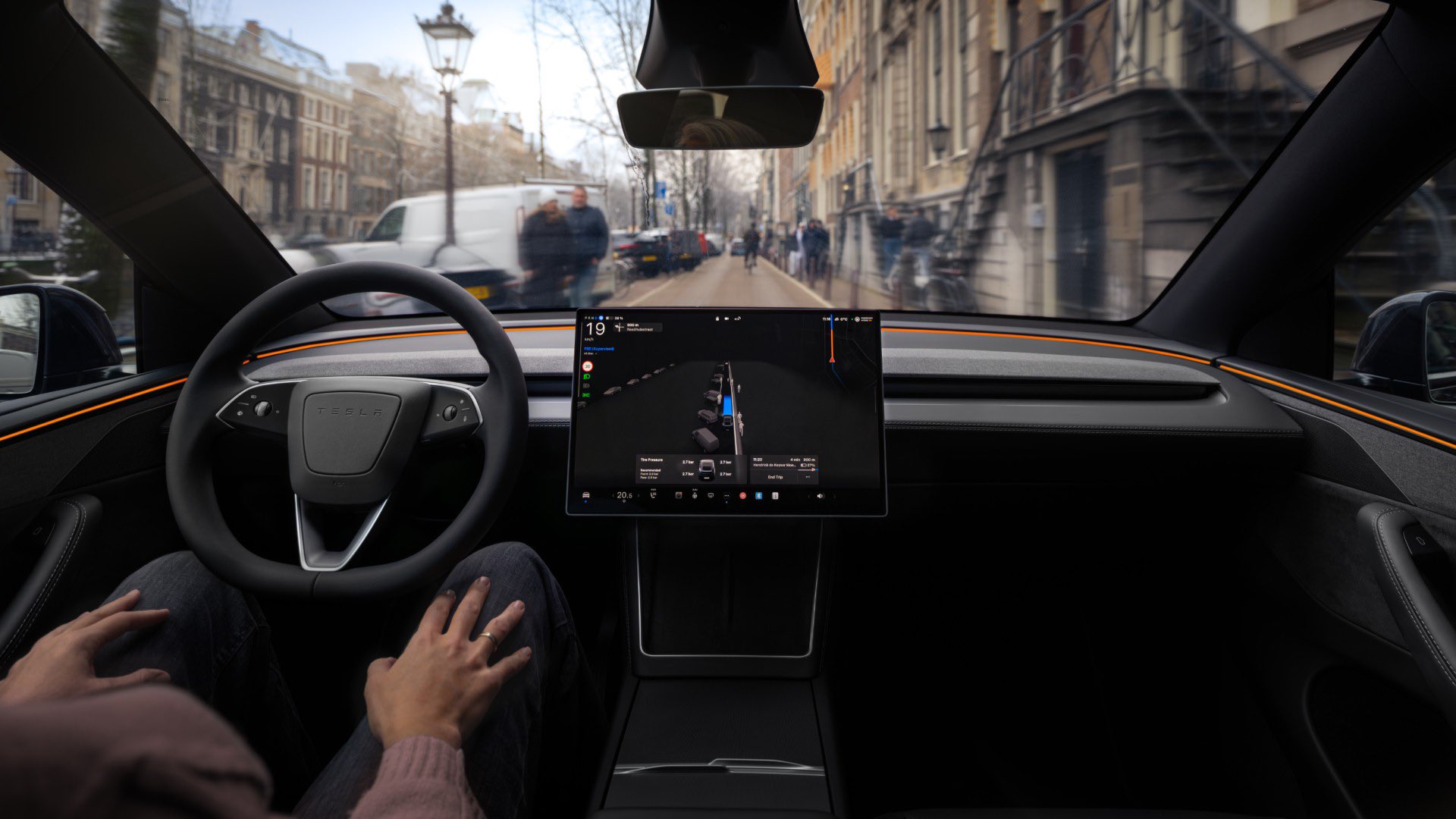
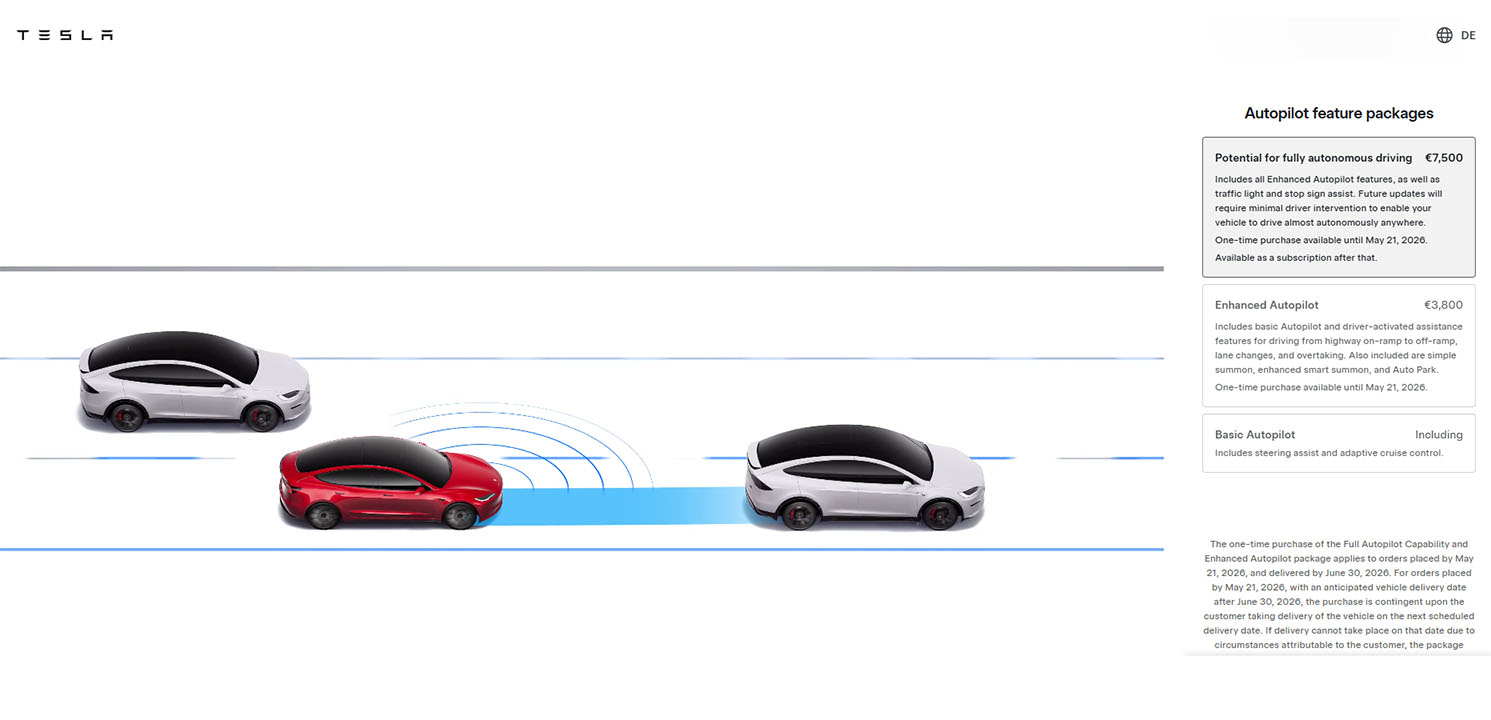
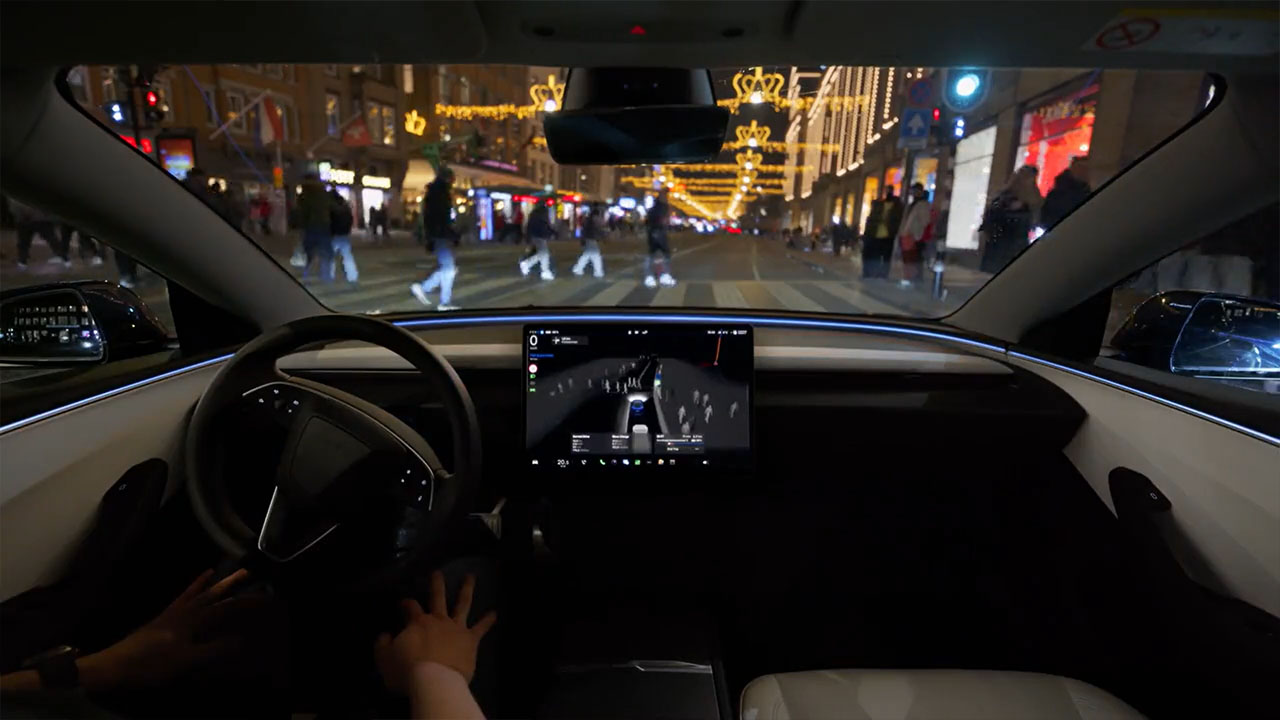
The European rollout of Tesla's Full Self-Driving (FSD) software, a milestone event for the region's EV market, has been swiftly overshadowed by a growing consumer backlash. Instead of celebrating the technology's arrival, a significant cohort of long-time Tesla owners are mobilizing, alleging they paid for a product the company can no longer provide on their existing hardware. This movement, echoing similar disputes in Australia and North America, threatens to morph from a public relations headache into a coordinated legal challenge across the European Union.
A Dutch Catalyst for a Continental Claim
The spark for this organized response came from a Dutch Model 3 owner who invested €6,400 in the FSD package in 2019. Frustrated by the realization that his Hardware 3 (HW3) vehicle may never receive the "true" FSD experience as originally marketed, he launched a dedicated website to aggregate similar claims. The platform aims to bundle disgruntled HW3 + FSD owners across the EU, creating a collective front to seek compensation or upgrades. This move formalizes the simmering discontent on forums and social media, where owners have long debated the capabilities and limitations of the sensor suite in their vehicles.
The Core of the Controversy: Hardware Limitations
At the heart of the dispute is a fundamental technological pivot. Tesla's early FSD sales pitches, often based on future capability, were made to customers with vehicles equipped with HW3, which lacks the higher-resolution cameras and more advanced processing of the newer Hardware 4 (HW4) suite. With the European regulatory approval and deployment of FSD, it has become clear that HW3 systems will operate with a restricted feature set—essentially an enhanced Autopilot—and cannot support the unsupervised, door-to-door autonomous driving that the FSD name implies. Owners argue they purchased a specific product roadmap that Tesla is now unable to fulfill on the hardware they own, despite years of waiting.
This scenario is not isolated to Europe. It mirrors the "reckoning that blew up in Australia last year," where owners faced the same stark realization. The pattern indicates a systemic issue stemming from Tesla's strategy of selling software years ahead of hardware readiness and regulatory approval. While the company has offered varying degrees of retrofit or compensation in other markets, often under legal pressure, no universal solution has been announced for European HW3 owners, fueling the drive for collective action.
Implications for Tesla and Its Community
For Tesla, the organized claim site represents a tangible escalation from online complaints to potential multi-jurisdictional litigation. It tests customer loyalty among its most ardent early adopters and could impact future take-rates for premium software packages if consumer trust erodes. The company must carefully balance its technological evolution with the ethical and legal obligations to past customers. For Tesla investors, this serves as a reminder of the significant contingent liabilities that can arise from the company's aggressive, forward-looking sales approach for unregulated technology.
For current and prospective Tesla owners, this controversy is a critical case study in understanding the risks of pre-purchasing software-dependent features. It underscores the importance of separating the capabilities of the vehicle's physical hardware from the aspirational software promises. As FSD continues its global rollout, how Tesla resolves this legacy hardware dilemma will set a crucial precedent for its brand reputation and its relationship with the customer base that funded its ambitious vision from the start.