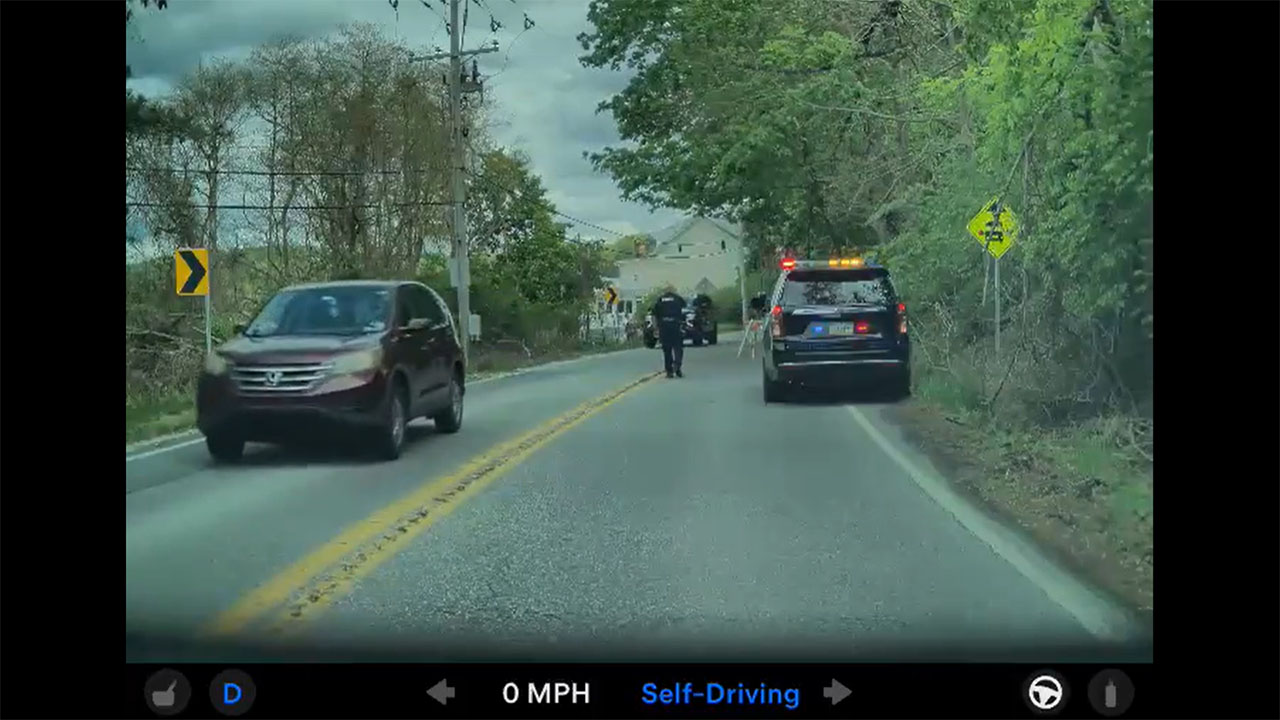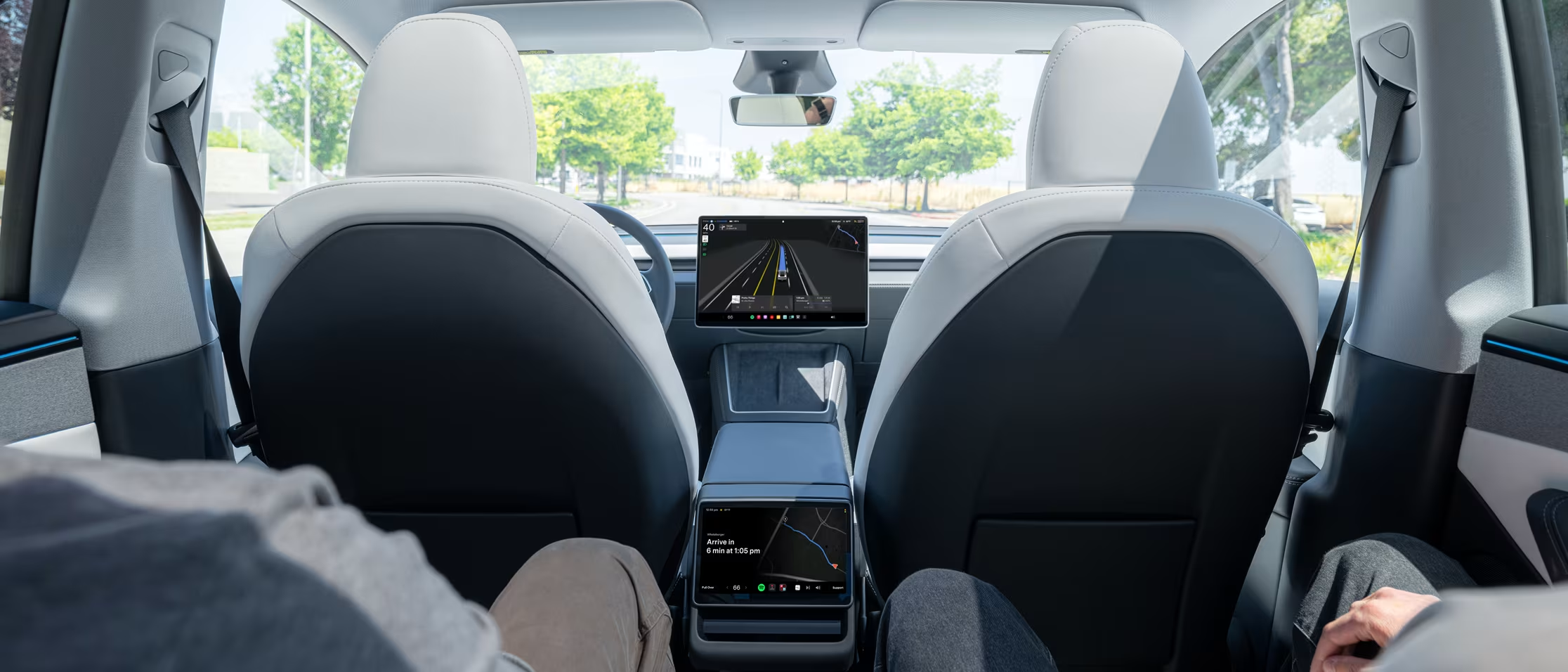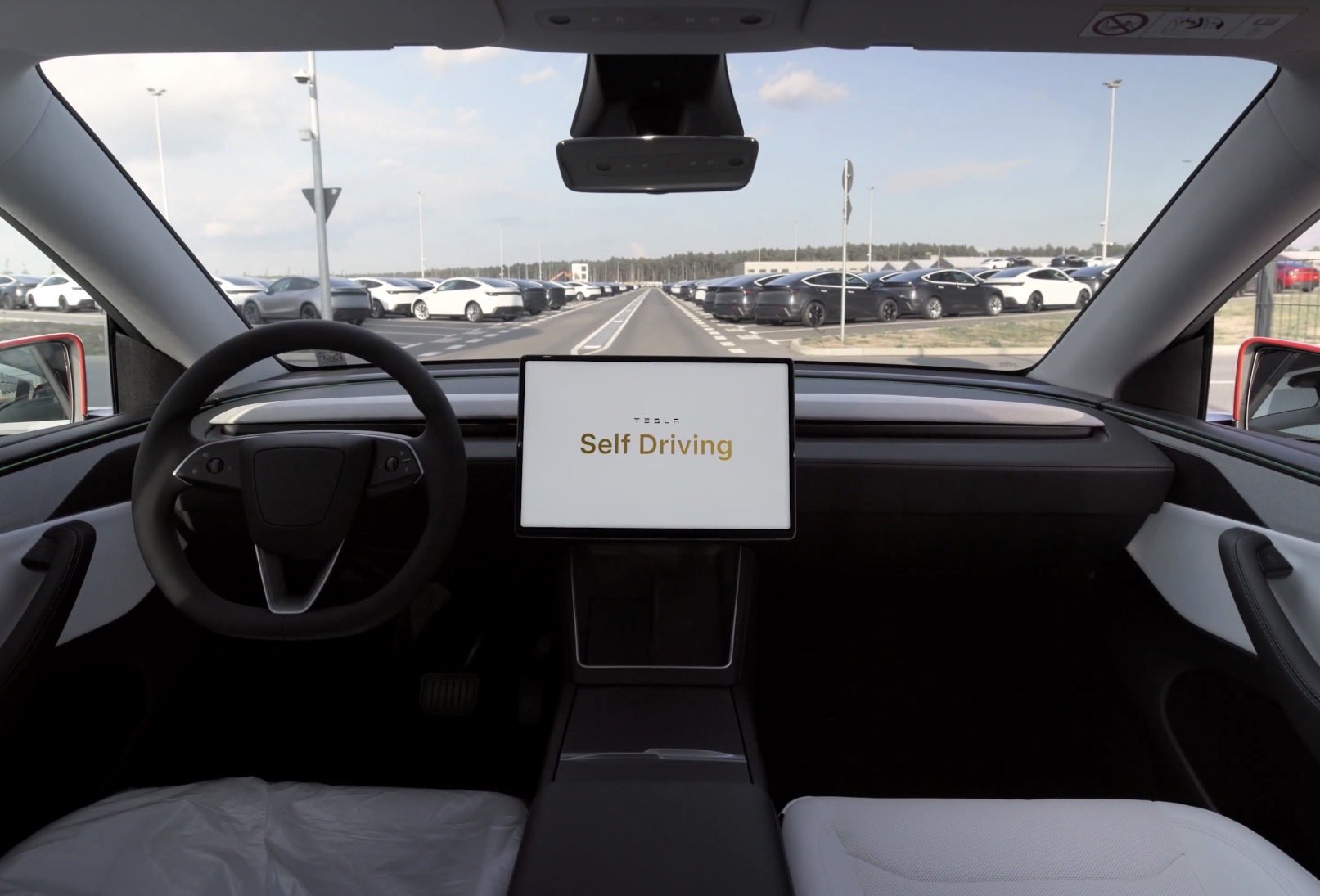
In a bold declaration to Tesla employees during a March 2025 company-wide meeting, CEO Elon Musk laid out a staggering benchmark for the future of autonomous driving. He didn't just predict parity with human drivers; he forecasted a paradigm shift in safety. Musk's core assertion is that Tesla's Full Self-Driving (FSD) system is on a definitive path to becoming ten times safer than the average human driver, framing the technology not merely as a convenience feature but as an imminent public health revolution. This ambitious target underscores a fundamental bet: that the elimination of human error—from distraction to impairment—through sophisticated artificial intelligence and neural networks will redefine road safety entirely.
The Engineering March Toward Superhuman Safety
The journey to achieving a 10x safety improvement is not based on aspiration alone but on the iterative, data-driven development of Tesla's FSD stack. The system leverages a fleet of millions of vehicles collecting real-world data, feeding a neural network that continuously learns from edge cases and complex scenarios a human might encounter only once in a lifetime. Every intervention, disengagement, and near-miss is analyzed to refine the AI's decision-making. The focus is on creating a driver that never gets tired, never looks at its phone, and possesses a 360-degree, millisecond-reaction awareness that is biologically impossible for humans. This relentless data advantage is what Tesla believes will close the gap between advanced driver assistance and truly autonomous, superhuman reliability.
Regulatory Hurdles and the Proof Paradigm
Musk's proclamation, however, exists within a complex landscape of regulatory skepticism and public perception. Proving a 10x safety margin to agencies like the NHTSA or the EU's regulatory bodies will require an unprecedented volume of validated, real-world data without human oversight. The current regulatory framework is built around human-driven vehicles, creating a significant lag between technological capability and legal approval. Furthermore, the transition period—where FSD operates at a safety level between human and superhuman—presents unique challenges, as public and media scrutiny will intensely focus on any incident involving the technology, regardless of broader statistical context. Tesla's task is to build an irrefutable mountain of evidence demonstrating not just improvement, but near-perfection.
The implications of successfully deploying a system ten times safer than humans are profound. For the broader electric vehicle and automotive industry, it would represent a tipping point, forcing competitors to accelerate their own autonomous programs or risk obsolescence. Insurance models would be upended, with liability potentially shifting from individual drivers to software manufacturers. Urban planning could evolve as the efficiency of autonomous fleets reduces the need for parking and congestion. Ultimately, Musk's bet positions FSD as the core value proposition of a Tesla, transforming the car from a product into a continuously improving automated service.
For Tesla owners and investors, the roadmap to superhuman FSD carries significant weight. Each iterative software update brings the potential for tangible increases in both vehicle utility and resale value, as cars become more capable autonomous assets. Investors are betting on this software-driven future, where high-margin FSD subscriptions could eventually dwarf hardware profits. However, they must also weigh the substantial execution risk, regulatory timelines, and capital intensity required to reach this goal. If achieved, it would not only validate Tesla's vision-first strategy but could trigger one of the most valuable software deployments in history, fundamentally altering the economic model of the entire EV market and delivering on a long-promised revolution in how we move.