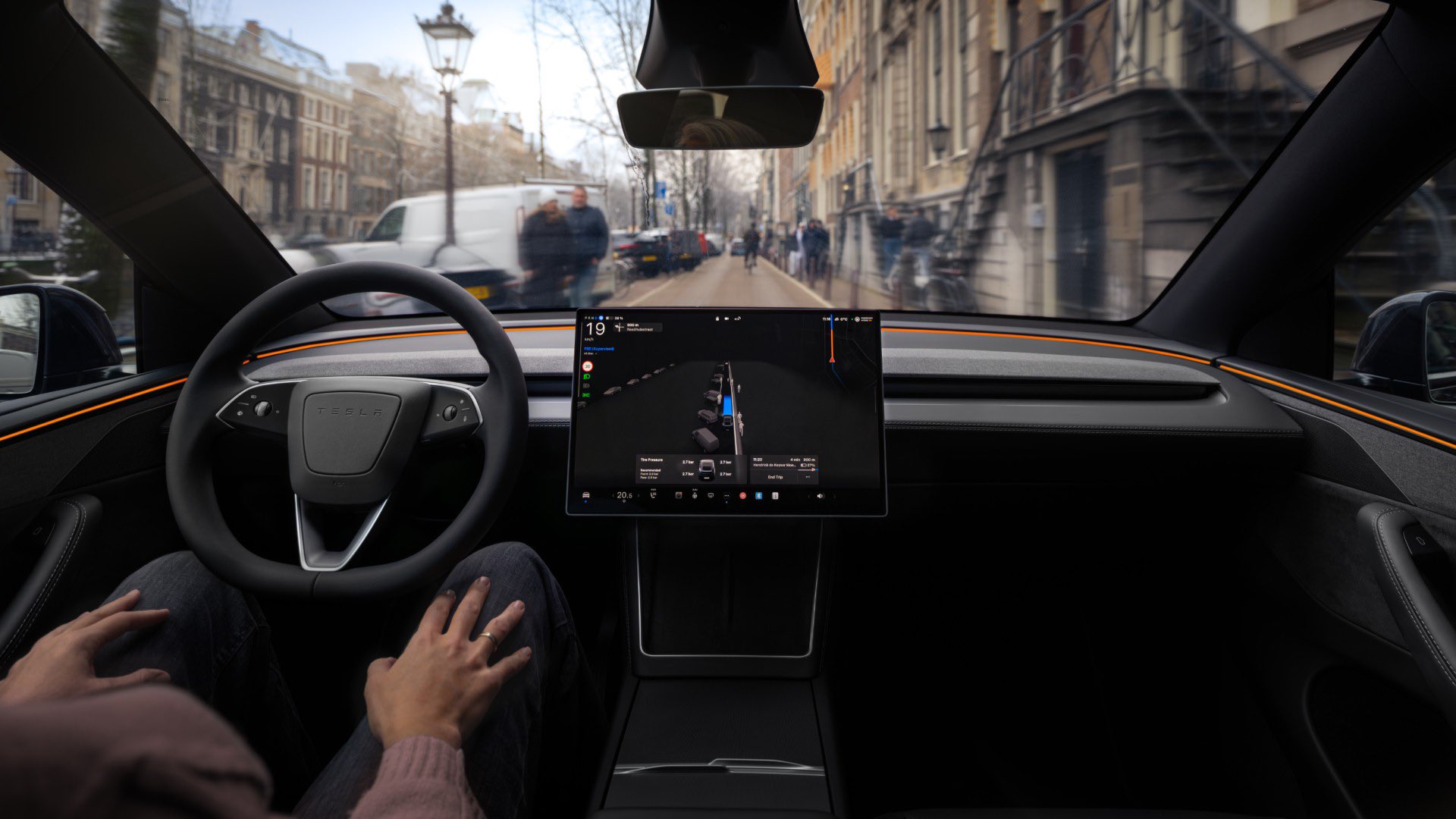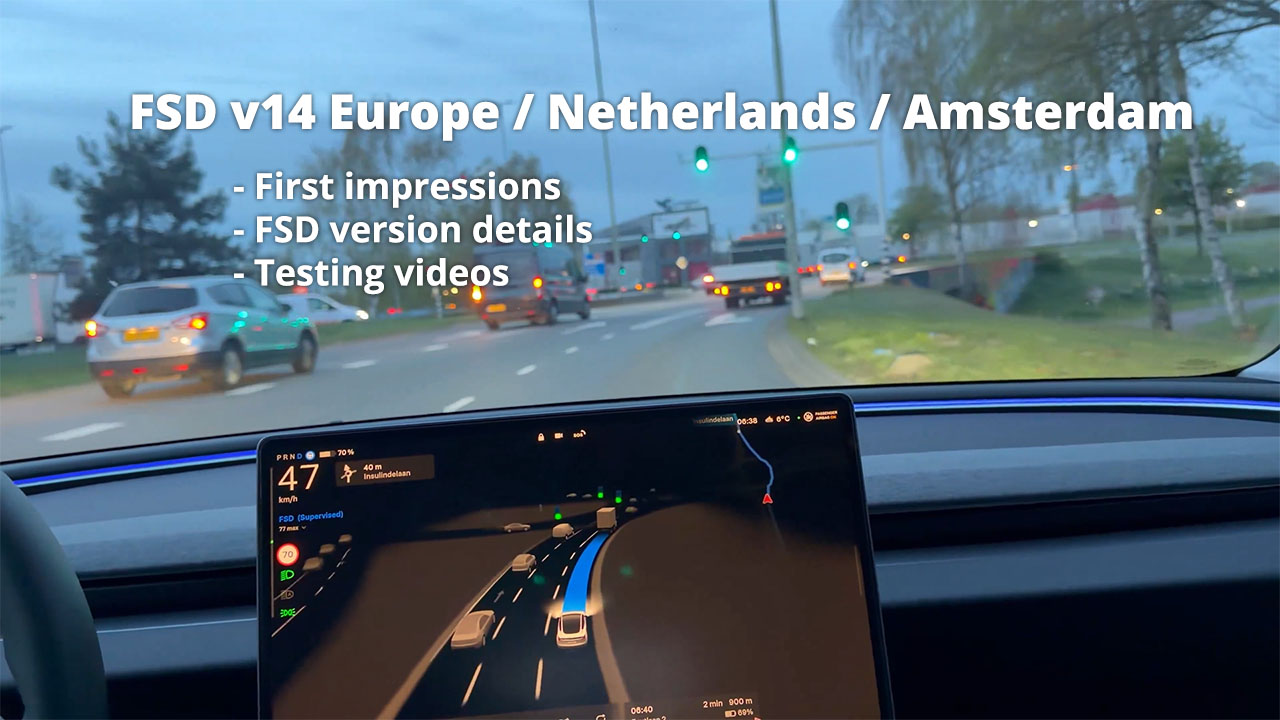
After years of anticipation and rigorous regulatory scrutiny, Tesla's most advanced driver-assistance system has officially made its European debut. The first official deployment of Full Self-Driving (Supervised) outside North America is now navigating the historic canals and complex infrastructure of the Netherlands, marking a pivotal moment for the company's global autonomy ambitions. This launch, enabled by approval from Dutch authorities, serves as Tesla's crucial beachhead for introducing its vision-based AI system to a continent known for its dense urban centers and unique traffic challenges.
Navigating a European Proving Ground: From Canals to Turbo Roundabouts
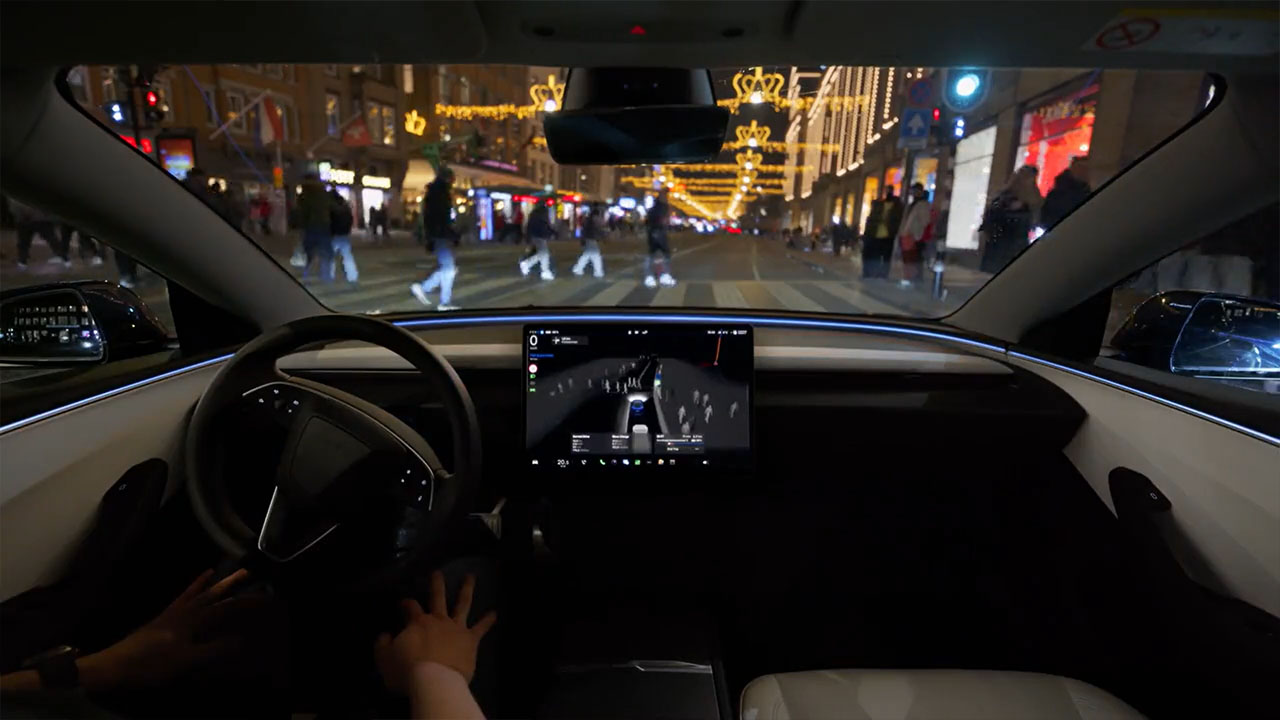
Amsterdam presents a formidable real-world test suite for any autonomous system. Unlike the grid-like streets of many American cities, Tesla's FSD must now handle narrow, canal-adjacent roads, a high density of cyclists and pedestrians, and intricate tram networks. The ultimate test, however, may be the notorious Dutch turbo roundabout—a multi-lane, high-speed circulatory junction with dedicated bicycle lanes. Successfully negotiating these requires precise lane selection, seamless merging, and acute awareness of vulnerable road users. Early reports from Dutch users on version 2026.3.6 suggest the system is handling these novel scenarios with notable competence, demonstrating a significant adaptation of its underlying neural networks to European road paradigms.
Decoding FSD v14 and the 2026.3.6 European Build
The software version enabling this rollout, 2026.3.6, is believed to be a specialized European iteration of the much-anticipated FSD v14 architecture. While detailed release notes are scarce, this build undoubtedly contains critical localization tailored for the EU. This includes compliance with stricter European UN/ECE regulations on automated driving, updated mapping data, and AI training specifically for regional signage, road markings, and right-of-way rules. The "Supervised" designation remains paramount, requiring the driver's constant attention and readiness to take over, but the system's behavior is calibrated for a new set of driving norms and legal frameworks.
The path to this milestone was neither quick nor easy. European regulators have been notoriously cautious about approving camera-only autonomous systems, often favoring solutions that incorporate additional sensor suites like LiDAR. Tesla's achievement in securing Dutch approval is a testament to both relentless software development and strategic regulatory engagement. It effectively cracks open a door to the broader European electric vehicle market, where advanced driver-assistance features are becoming a key competitive battleground. The Netherlands, with its high EV adoption rate and tech-savvy population, serves as the ideal initial testbed.
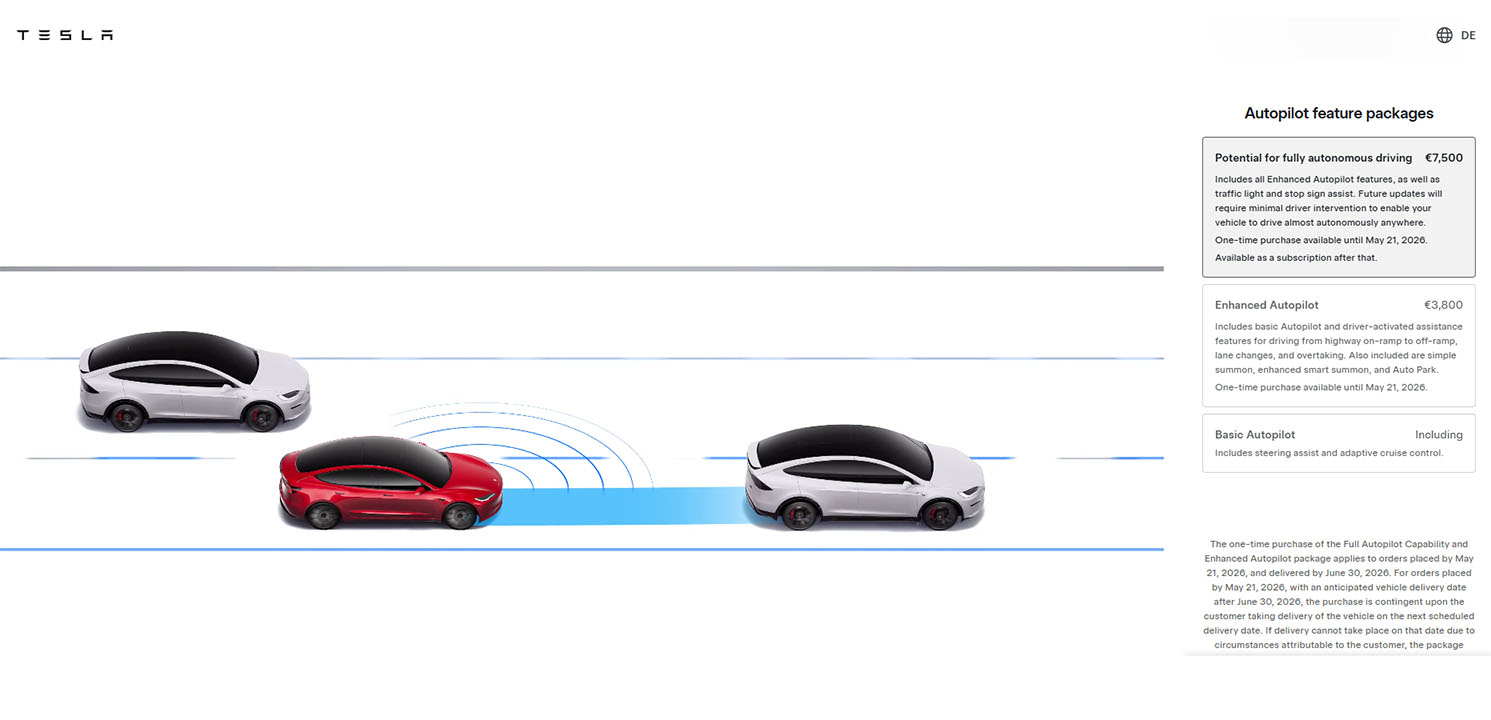
For Tesla owners and investors, the implications are substantial. Dutch Tesla drivers now have access to the company's flagship, high-margin software product, potentially boosting take rates and revenue in the region. A successful deployment here paves the way for expedited regulatory discussions in other key European markets like Germany, France, and the UK. For investors, it validates the international scalability of Tesla's FSD technology and mitigates the risk of the system being confined to North America. The coming months of real-world data from Amsterdam's streets will be invaluable, training the AI on a new continent of corner cases and accelerating the iterative improvement cycle for the global fleet.