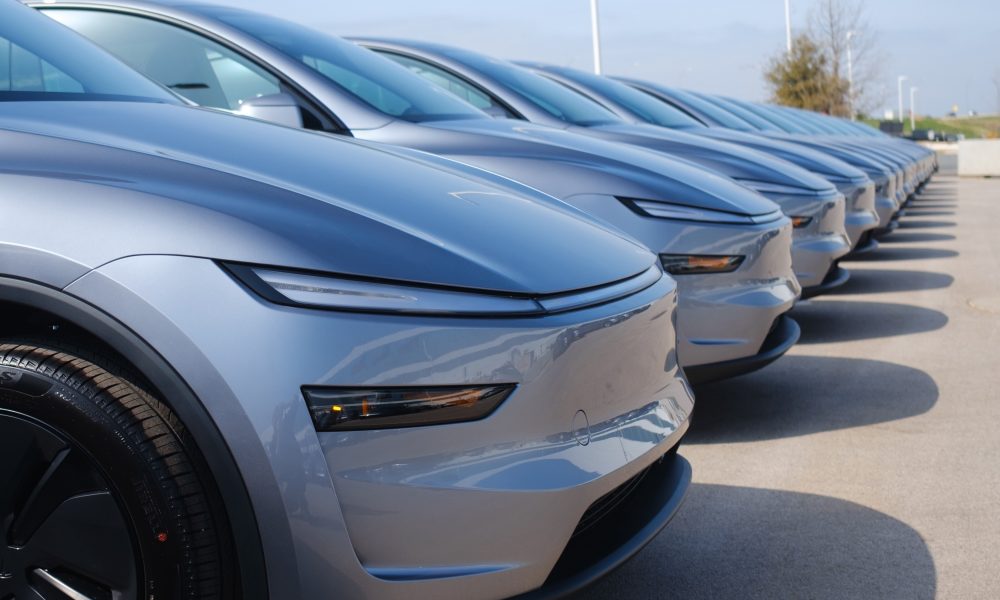
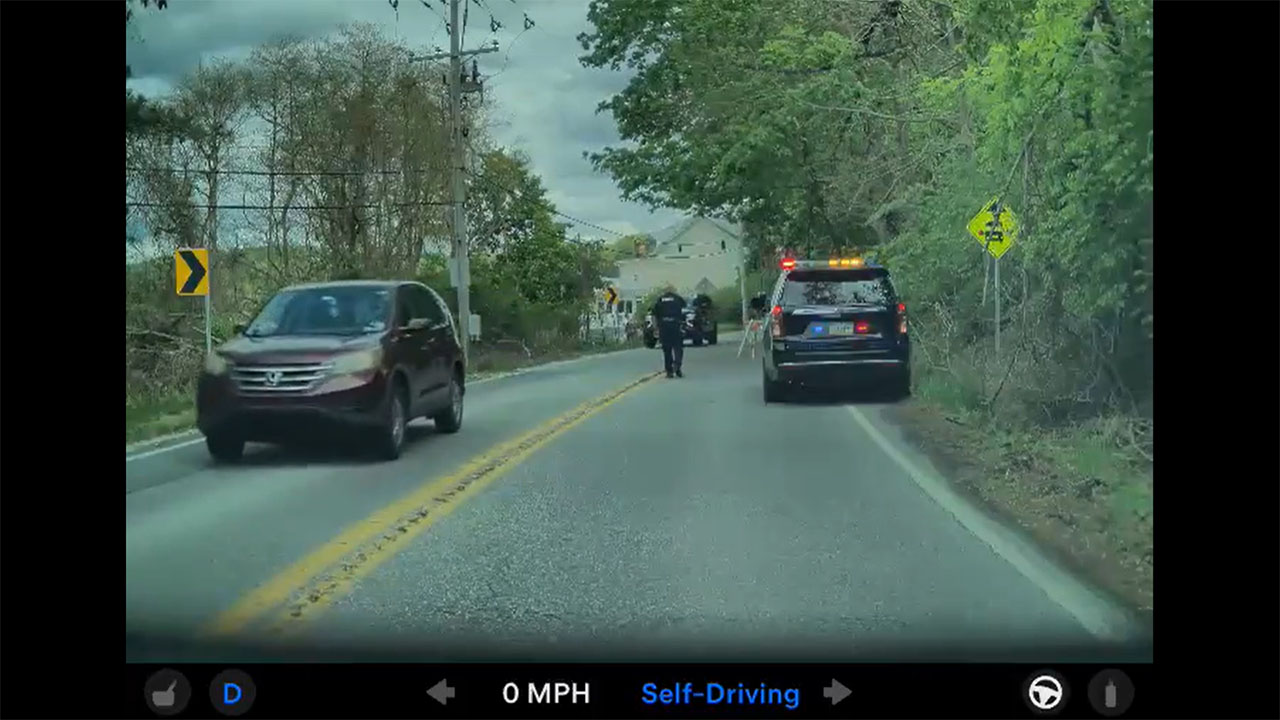
In a move that signals both ambition and strategic foresight, Tesla has quietly laid the groundwork for the next evolution of its product lexicon. The company recently filed new trademark applications with the United States Patent and Trademark Office (USPTO) for the terms "Cybercar" and "Cybervehicle," according to public records. This intellectual property maneuver is widely interpreted as Tesla securing critical backup branding for its long-anticipated, next-generation autonomous vehicle platform, often referred to internally as the "Robotaxi." The filings underscore Tesla's commitment to its cybernetic aesthetic while providing legal flexibility as it navigates a complex path to full self-driving commercialization.
Strategic Branding for an Autonomous Future
The new trademarks are far more than mere synonyms for an electric car. They represent a deliberate effort to linguistically and legally define a new category of transportation. By extending the "Cyber" prefix from the radical Cybertruck to a broader vehicle family, Tesla is building a cohesive design and technology narrative. This naming strategy suggests the future vehicle will share the Cybertruck's angular, futuristic design language and its ethos of being a durable, digitally-native machine. More importantly, it positions the product not just as a car, but as a cyber-physical system—a node in a networked, autonomous ecosystem. The filings cover a wide range of uses, including "motor vehicles, namely, automobiles," ensuring Tesla's branding options remain open as the final product form takes shape.
Navigating Legal and Regulatory Headwinds
This proactive trademark strategy arrives at a critical juncture for Tesla's autonomous ambitions. The company is actively engaged in ongoing legal and regulatory challenges surrounding its Full Self-Driving (FSD) technology and its public branding. Securing "Cybercar" and "Cybervehicle" provides crucial insulation against potential future disputes over naming rights for its flagship autonomous product. It allows Tesla's legal and marketing teams to pivot if necessary, ensuring a powerful, protected brand name is ready for launch day. This level of preparation indicates that while a consumer-facing name may not yet be finalized, the company is methodically removing roadblocks to a successful market introduction, treating the vehicle's identity with the same seriousness as its underlying technology.
The implications of this branding move extend deep into Tesla's core business model. A dedicated "Cybervehicle" platform is the intended physical vessel for Tesla's Robotaxi network, a service that CEO Elon Musk has repeatedly touted as the key to unlocking exponential company valuation. A distinct, trademarked name separates this purpose-built vehicle from Tesla's existing sedan and SUV lineup, clarifying its role as a revenue-generating autonomous asset rather than a traditional consumer product. It also allows for clearer marketing: a "Cybervehicle" summoned via an app operates as a service, while a Model Y is purchased for personal ownership. This differentiation is vital for regulators, investors, and consumers to understand the new business paradigm Tesla aims to create.
For Tesla owners and investors, these trademark filings are a tangible sign of forward momentum on the company's most transformative project. They reinforce that the Robotaxi is progressing beyond concept slides and into the realm of commercial reality, with meticulous planning evident in even its potential name. For investors, it's a signal of strategic discipline and long-term asset creation. For current owners, it hints at a near-future where their own vehicles might interact with a fleet of purpose-built autonomous Cybervehicles, potentially increasing the utility and integration of the entire Tesla ecosystem. While the timeline remains uncertain, the act of securing these trademarks proves that Tesla is not just engineering a vehicle, but meticulously crafting the brand for the autonomous age.