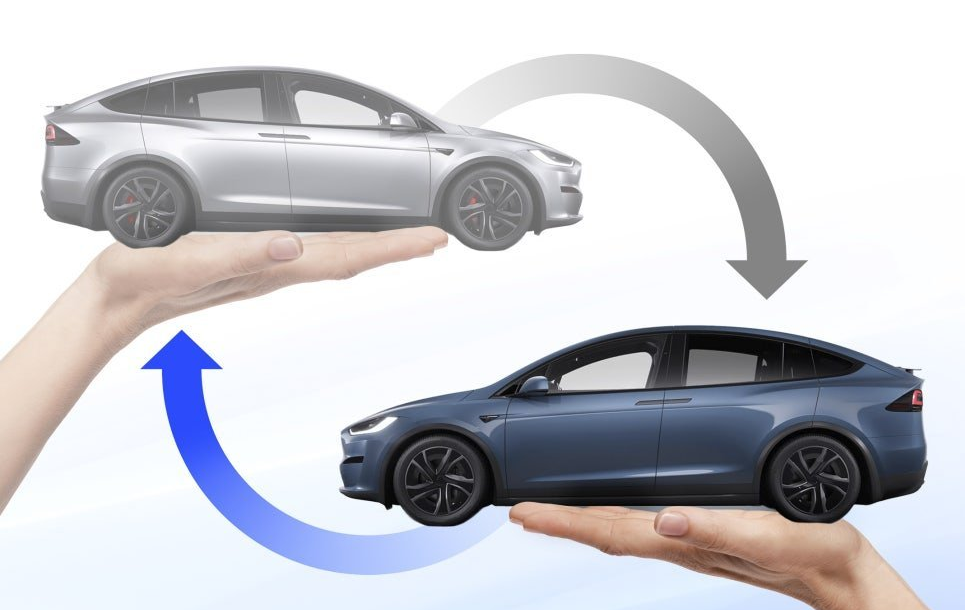
As Tesla navigates the complex global landscape of software licensing and customer retention, its strategy is proving to be anything but one-size-fits-all. While the ability for owners in North America to transfer their Full Self-Driving (FSD) capability to a new vehicle remains a contentious and limited offer, Tesla is taking a different tack in a key Asian market. The company has officially extended the delivery deadline for its FSD transfer program in South Korea, giving customers a crucial window of flexibility amid evolving electric vehicle adoption trends.
A Strategic Extension in a Competitive Market
The revised policy now allows South Korean customers who have purchased a new Tesla and initiated an FSD transfer to take delivery of their vehicle by June 30 and still receive the software benefit. This extension, as reported by Drive Tesla, directly addresses logistical delays and provides a tangible incentive in a region where competition in the EV sector is intensifying. Unlike the often short-lived and controversial transfer windows in the United States, this move signals a more accommodating approach tailored to local market dynamics and supply chain realities.
Context: The Global FSD Transfer Puzzle
This regional flexibility stands in stark contrast to the experience of many Tesla owners elsewhere. In North America, FSD transfers have been offered sporadically, typically as a limited-time promotion to stimulate end-of-quarter sales, and are often met with frustration from long-time owners who feel locked into their current cars. The FSD package, which can cost over $12,000 upfront or via subscription, represents a significant investment. Tesla's varying global policies highlight the delicate balance the company must strike: preserving the high-margin software revenue stream while using the feature as a powerful lever to encourage vehicle upgrades and customer loyalty in specific markets.
For South Korean buyers, this extension is more than a simple deadline shift; it's a risk mitigation tool. It alleviates pressure for those awaiting specific vehicle configurations or facing unforeseen delivery delays, ensuring they do not lose a valuable paid feature worth thousands of dollars due to circumstances outside their control. This customer-centric adjustment can significantly enhance brand perception and satisfaction in a market where Tesla faces strong domestic and international electric vehicle rivals.
Implications for Owners and Investors
For current and prospective Tesla owners in South Korea, the message is clear: the company is willing to provide added flexibility to secure sales and retain its software-paying customer base. This policy should be factored into any near-term purchasing decision involving an FSD transfer. Globally, it underscores that Tesla's promotional tactics are increasingly localized. For investors, this move is a nuanced data point in the broader narrative of Tesla's software monetization. It demonstrates a pragmatic, market-by-market approach to using FSD as a strategic asset—sometimes as a rigid value retention tool, and other times as a flexible incentive to drive volume and loyalty in critical growth regions.