In a strategic move to diversify its battery chemistry and localize its supply chain, Tesla is reportedly solidifying a major new partnership with LG Energy Solution to procure lithium iron phosphate (LFP) cells from a US-based facility. According to an exclusive report from TheElec, which cites key industry sources, the new agreement would see LG supply Tesla with LFP batteries manufactured at its factory in Arizona, marking a significant expansion of the automaker's North American battery sourcing for its entry-level models.
Securing the Foundation for Mass-Market EVs
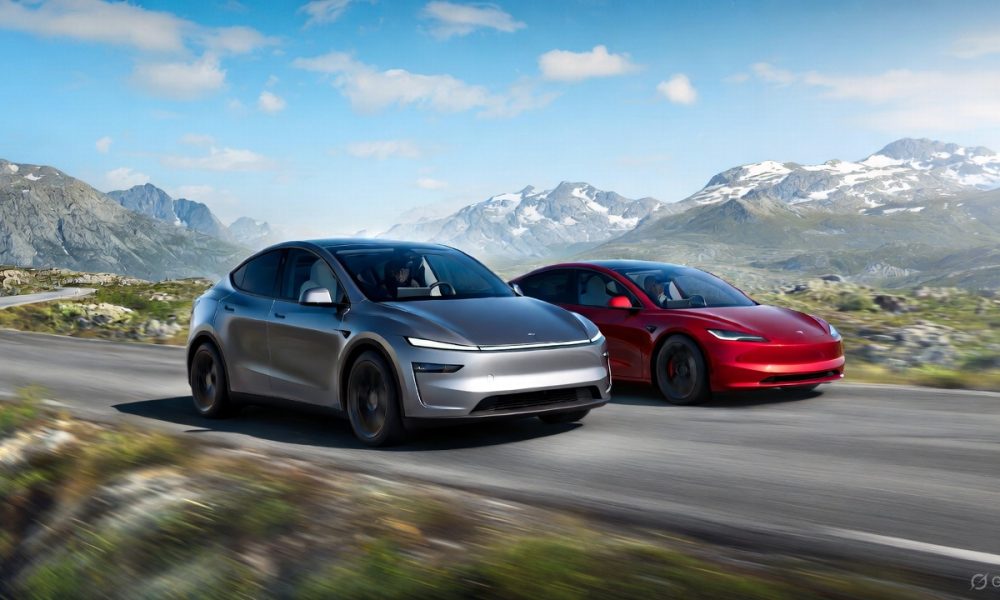
LFP batteries have become a cornerstone of Tesla's product strategy, particularly for its standard-range vehicles like the Model 3 and Model Y. The chemistry offers distinct advantages: it's more affordable than nickel-based alternatives, boasts exceptional longevity, and eliminates the need for cobalt, a mineral with contentious supply chain concerns. By securing a new, domestic source of LFP cells, Tesla is directly addressing two critical pillars: reducing costs to maintain competitive pricing and qualifying more vehicles for the full $7,500 US federal EV tax credit, which has stringent requirements for battery component and critical mineral sourcing.
A Strategic Pivot for LG Energy Solution
For LG Energy Solution, a long-time Tesla supplier of nickel-cobalt-aluminum (NCA) cells, this deal represents a crucial strategic pivot. The South Korean battery giant has been racing to scale its LFP production capabilities to compete with the overwhelming market dominance of China's CATL in this segment. Its Arizona facility, a $5.5 billion investment announced in 2023, is now poised to become a key battleground. Winning a Tesla contract for US-made LFP cells not only validates LG's technology but also provides a massive, stable demand anchor for the factory, ensuring its output is absorbed by one of the world's largest electric vehicle manufacturers.
The reported deal underscores the intense geopolitical and economic forces reshaping the global EV battery landscape. As incentives like the US Inflation Reduction Act (IRA) push for localized production, automakers and suppliers are forming new alliances at a rapid pace. Tesla's existing LFP supply relies heavily on imports from CATL. Adding LG's Arizona output creates a vital second source, mitigating supply chain risk and providing geographic redundancy. This move is less about replacing CATL and more about building a resilient, multi-sourced North American battery ecosystem that can support Tesla's ambitious growth targets.
For Tesla owners and investors, this development signals a clear path toward more affordable and accessible vehicles with reliable supply. A strengthened US LFP supply chain directly supports Tesla's goal of increasing production volumes, particularly for its anticipated "next-generation" compact vehicle platform. Investors should view this as a proactive supply chain maneuver that safeguards profit margins, ensures federal incentive eligibility for customers, and reduces logistical vulnerability. Ultimately, it's a calculated step to fortify the foundation of Tesla's high-volume future, ensuring that the batteries powering its most popular cars are both economical and built closer to home.