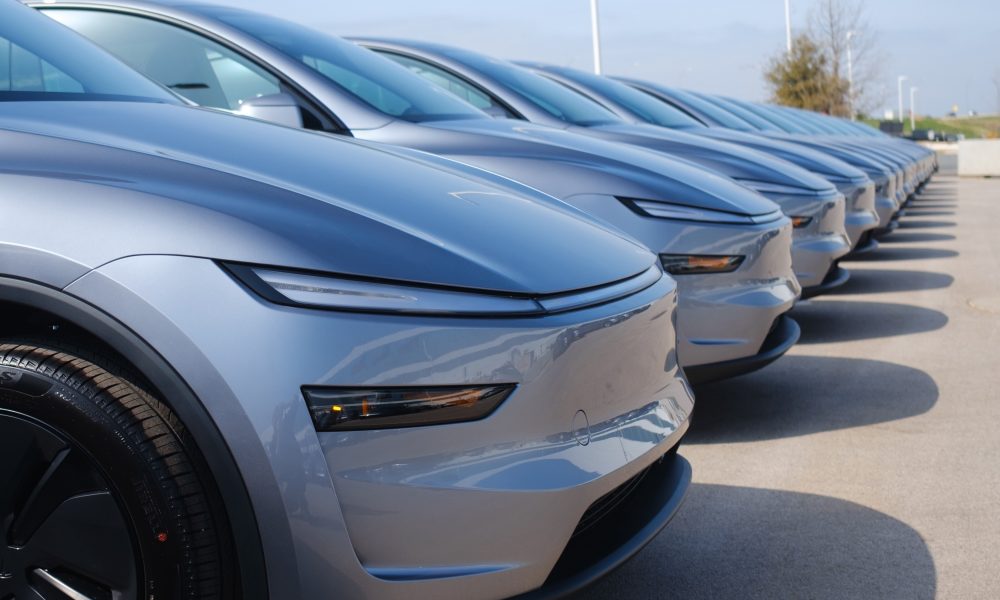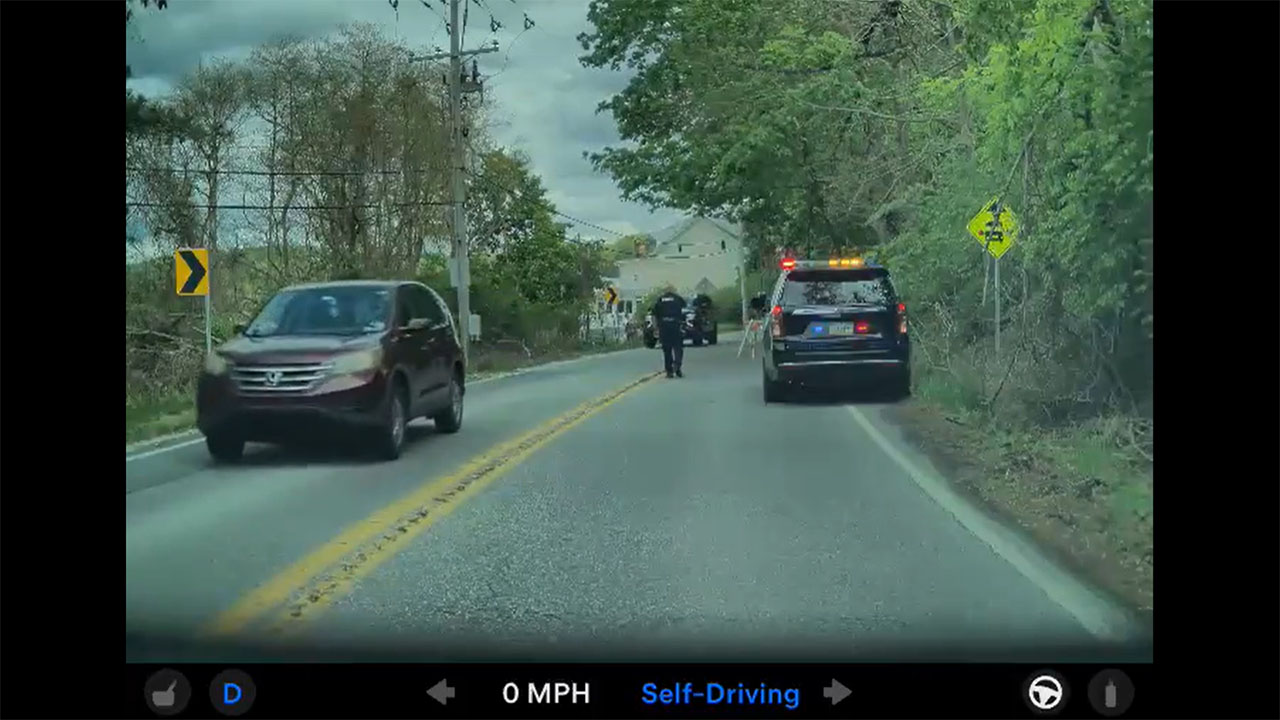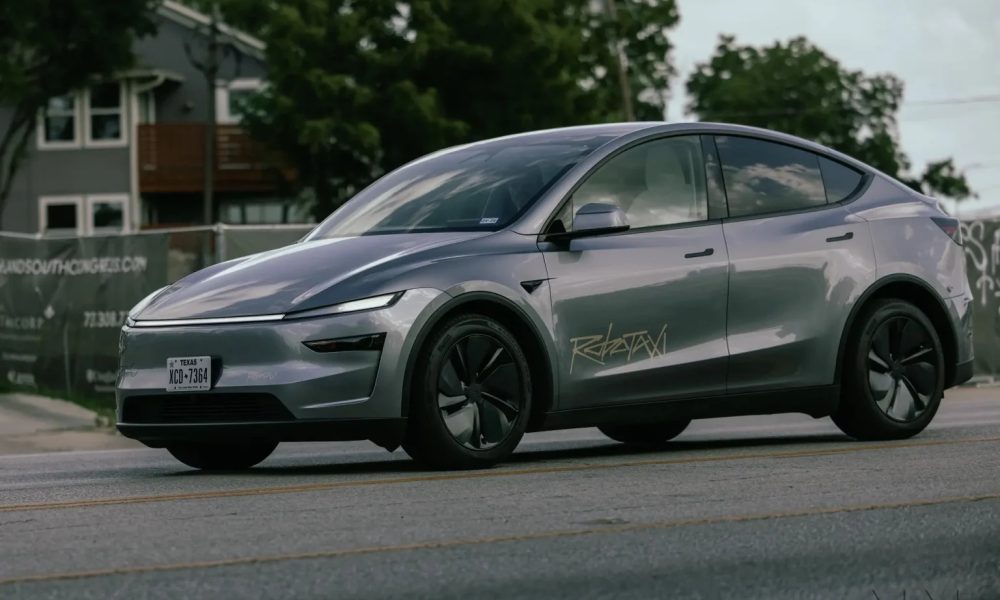
Tesla's vision of a fully autonomous future has taken a significant, concrete step forward. The company has officially expanded its Unsupervised Robotaxi service beyond its initial testbeds, deploying the driverless ride-hailing technology in two new, undisclosed cities. This strategic move signals a critical acceleration in Tesla's real-world validation of its Full Self-Driving (FSD) system, moving from controlled pilot programs to a broader operational footprint.
From Pilot to Proliferation: Scaling the Autonomous Network
This expansion is not a greenfield experiment but a deliberate scaling of proven operations. For months, Tesla has been cautiously ramping up unsupervised rides in Austin, Texas, while maintaining a consistent presence in the San Francisco Bay Area. The success and data gathered from these complex urban environments have provided the confidence and operational blueprint for this next phase. Introducing the service to two new cities represents a pivotal test of the system's adaptability to diverse road layouts, traffic patterns, and local regulations, a necessary hurdle for any scalable autonomous vehicle platform.
The Data Engine: Why Expansion is Everything
For Tesla, every unsupervised mile is an invaluable data point. Unlike simulated testing, real-world encounters with unpredictable human drivers, pedestrians, and construction zones provide irreplaceable learning material for the neural networks powering FSD. Expanding to new cities exponentially increases the variety and edge cases the system encounters. This massive, real-time data flywheel is Tesla's core advantage, allowing it to iteratively improve the Robotaxi software at a pace potentially unmatched by competitors who rely on smaller, geofenced test fleets.
The implications of this expansion extend far beyond ride-hailing. It serves as the ultimate validation test for the FSD software stack that over 400,000 customers are already using in a supervised capacity. Performance and safety metrics from the Robotaxi fleet will directly inform and accelerate improvements for the consumer FSD product, creating a synergistic loop between the two initiatives. This move aggressively pressures regulatory bodies to establish clearer frameworks for autonomous vehicles, as Tesla demonstrates operational readiness in multiple jurisdictions.
Road Ahead: Implications for Owners and the Market
For Tesla owners, particularly those invested in the FSD package, this expansion is a tangible sign of progress toward the long-promised capability and potential future revenue-sharing from the Robotaxi network. For investors, it validates a key pillar of Tesla's sky-high valuation—the transition from a carmaker to a high-margin, software and services company. However, the road ahead remains complex. Scaling will require navigating a patchwork of local regulations, managing public perception after inevitable incidents, and proving the service's economic viability and safety at scale. Tesla's latest move proves the Robotaxi is no longer a distant concept but a service actively carving its path onto city streets, with the company betting its future on winning that race.