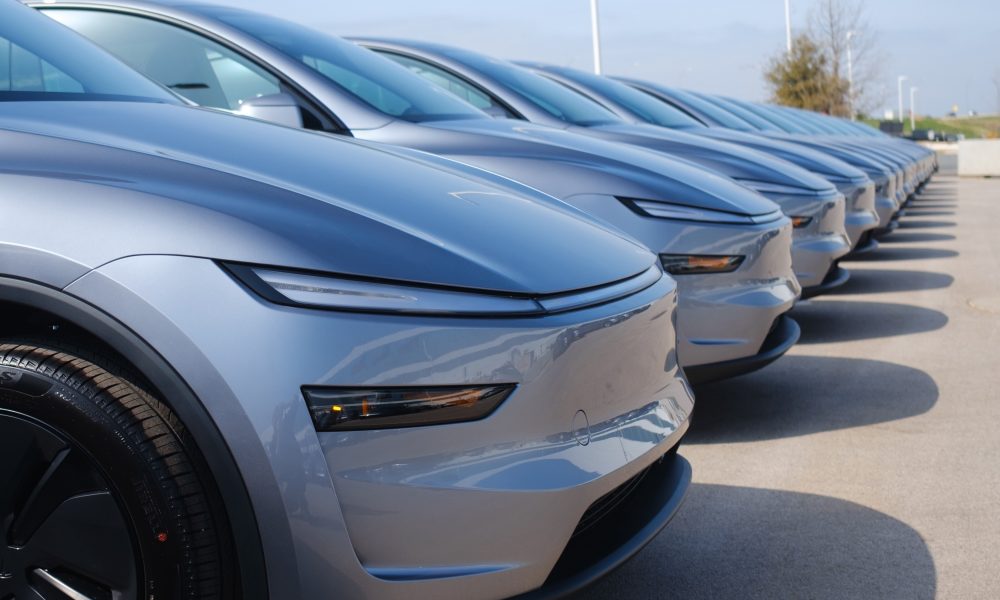
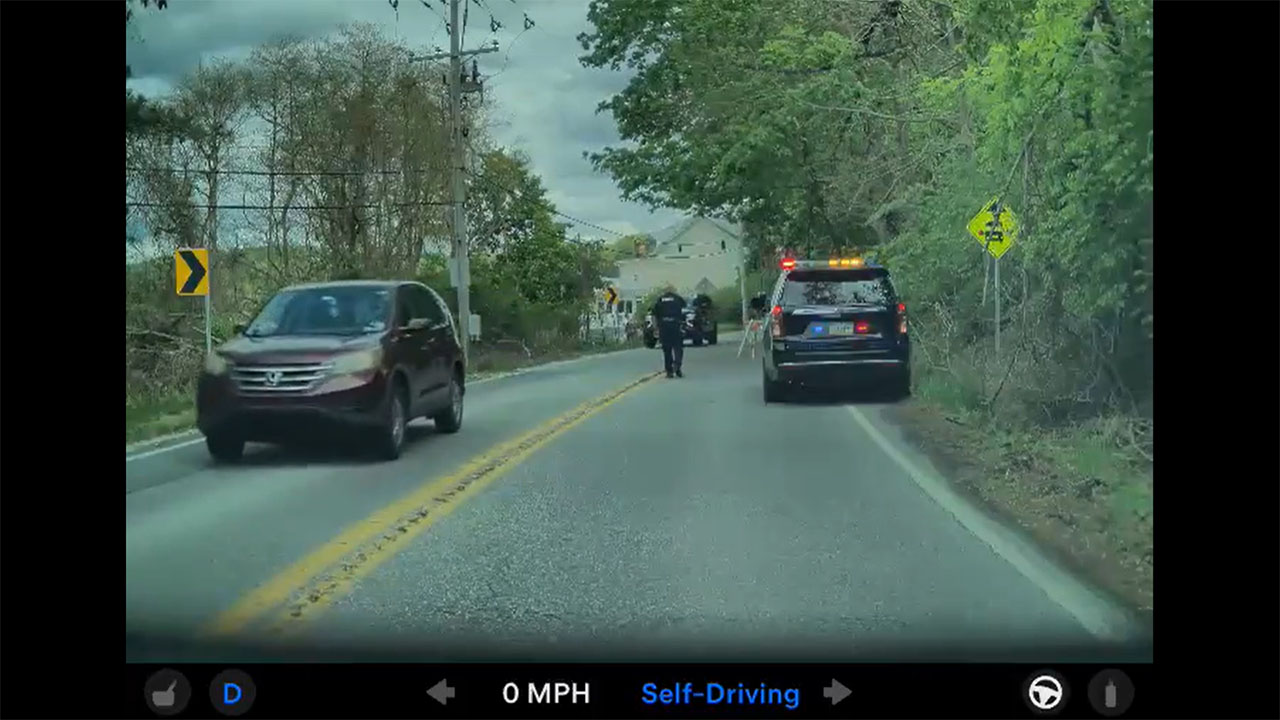
In a move that signals both ambition and caution, Tesla has quietly expanded the operational zone for its unsupervised "Robotaxi" pilot program in Austin, Texas. This expansion of the geofenced area allows a select fleet of vehicles to navigate city streets without a human safety driver behind the wheel, marking a critical, if incremental, step toward CEO Elon Musk's vision of a fully autonomous ride-hailing network. However, the stark reality on the ground reveals a program still in its most nascent stage, with social media trackers reporting only a tiny fleet of between 4 and 8 specially equipped Model Y vehicles currently operating in this capacity.
A Cautious Expansion of the "Geofence"
The core of this development is the expansion of the digital geofence—a virtual boundary within which the autonomous software is permitted to operate. By widening this area in Austin, Tesla's Full Self-Driving (FSD) system is being tested against a more complex and varied set of urban scenarios without direct human intervention. This methodical, geography-first approach is standard in the autonomous vehicle industry, allowing companies to master one area before scaling. It provides invaluable real-world data on how the AI handles unexpected edge cases, traffic patterns, and infrastructure unique to Austin, all crucial for refining the underlying algorithm.
The Reality of a "Handful" of Cars and Remote Oversight
Despite the expanded playground, the fleet size remains conspicuously small. Eyewitness accounts and dedicated social media channels suggest only a handful of white Model Ys are part of this elite unsupervised group. This indicates Tesla is prioritizing depth of data over breadth of service at this phase. Furthermore, the term "unsupervised" requires a key qualification: these vehicles are not entirely alone. Each car remains under the watchful eye of remote human supervisors who can monitor multiple vehicle feeds simultaneously and potentially intervene if the system encounters a scenario it cannot resolve. This layered safety net is a prudent and necessary step for public testing.
Implications for Tesla's Autonomy Timeline and Ecosystem
For Tesla investors and owners, this Austin update is a double-edged signal. On one hand, it demonstrates tangible, albeit slow, progress toward the long-promised Robotaxi network, a cornerstone of Tesla's future valuation as a technology company. Every mile driven unsupervised strengthens the FSD neural net. On the other hand, the minimal fleet size underscores the immense technical and regulatory challenges that remain before a profitable, scaled service can launch. For current Tesla owners, particularly those who purchased the FSD package, this real-world testing is directly feeding improvements that may trickle down to the consumer software, enhancing features like Autopilot and "FSD (Supervised)." The Austin pilot is not just testing a taxi service; it is stress-testing the very foundation of Tesla's autonomous future, one carefully monitored city block at a time.