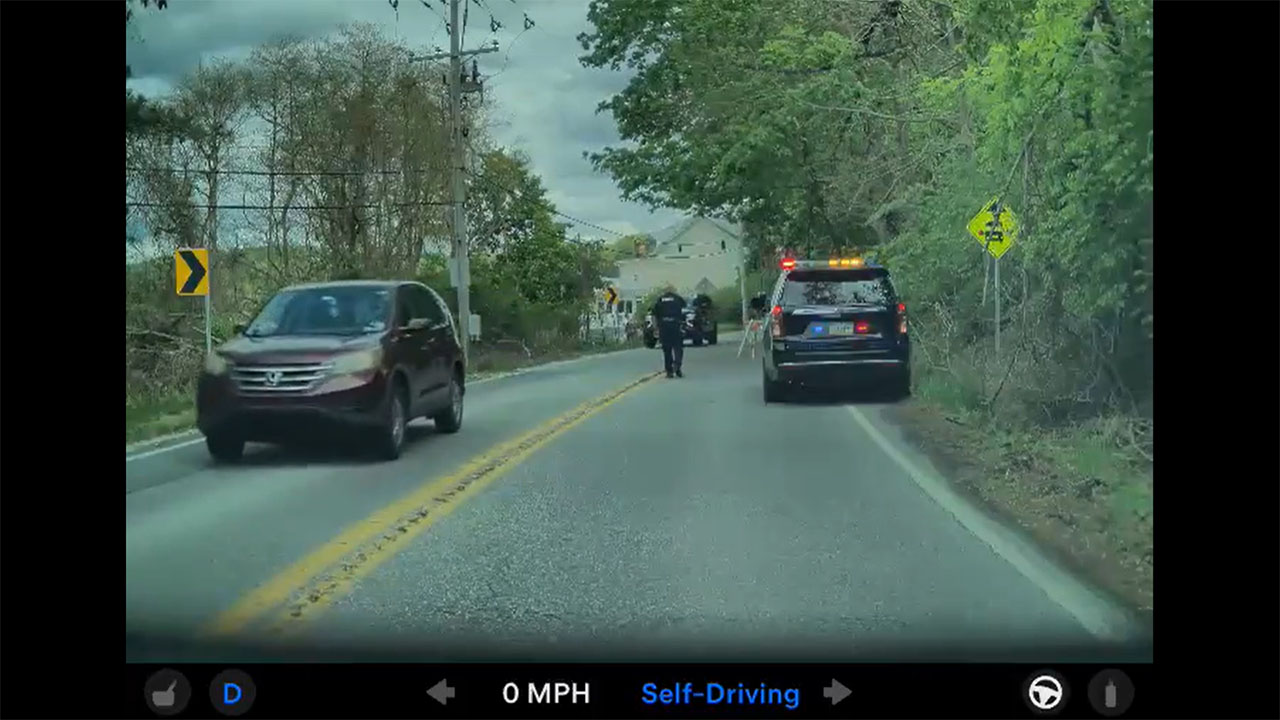
In a strategic move that underscores its global ambitions for autonomous driving, Tesla has officially launched its first formal testing program for Full Self-Driving (Supervised) in the Middle East. The electric vehicle pioneer has initiated a trial in Abu Dhabi, marking a significant expansion beyond its primary markets in North America, Europe, and China. This initiative positions the United Arab Emirates' capital as a critical new proving ground for the company's most advanced driver-assistance system, signaling a deliberate push into regions with unique driving environments and high regulatory interest in smart mobility.
A Strategic Beachhead in the Middle East
The Abu Dhabi trial represents more than just another geographic data collection exercise. It is the emirate's first formal testing framework specifically for Tesla's supervised autonomous technology, established in collaboration with local authorities. This structured approach suggests a careful, government-endorsed rollout rather than a silent public beta. The region presents distinct challenges and opportunities for FSD's neural networks, including extreme heat, complex multi-lane highways, and diverse driving styles influenced by a large expatriate population. Successfully navigating these conditions is essential for Tesla to validate FSD's robustness and gather the diverse data required for a truly global system.
Data, Diplomacy, and the Road to Validation
This expansion is a dual play of technology and diplomacy. For Tesla, the rich, localized data from Abu Dhabi's roads is invaluable for training its AI models on scenarios less common in its existing datasets. Concurrently, securing official approval from a forward-thinking, tech-centric government like the UAE's helps build a template for regulatory engagement in other markets. The "supervised" label remains crucial, emphasizing that the driver must constantly monitor the system and be ready to take over. This cautious framing likely facilitated regulatory buy-in, positioning the trial as a controlled step toward future autonomy rather than an immediate leap.
The implications for Tesla's global strategy are profound. Following significant updates and wider releases in North America, the Abu Dhabi trial indicates that Tesla is systematically moving to stress-test FSD in new operational design domains. This methodical global testing phase is critical for achieving Elon Musk's ultimate goal of a validated, unsupervised autonomous system. Each successful international trial strengthens Tesla's claim that its vision-based, AI-driven approach can adapt to the world's driving ecosystems, potentially outpacing competitors relying on more sensor-heavy and geographically limited strategies.
What This Means for Owners and Investors
For current and prospective Tesla owners, especially in regions awaiting FSD access, the Abu Dhabi news is a promising signal. It demonstrates active progress toward international deployment and suggests that regulatory hurdles are being actively addressed through formal partnerships. Investors should view this as a positive indicator of Tesla's execution capability in navigating complex global markets and advancing its most significant software revenue stream. However, the timeline for a widespread, regulatory-approved rollout remains uncertain. The market will watch closely for performance data and subsequent regulatory approvals stemming from this Middle Eastern beachhead, as they will serve as key benchmarks for FSD's global viability and, by extension, Tesla's long-term valuation narrative.