Tesla just moved the goalposts in Dallas, Texas. Only days after the Cybercab began carrying riders in the city, the company expanded its Robotaxi geofence by 83%, giving more residents access to fully autonomous rides. For an EV maker betting its future on self-driving, the pace is hard to miss.
A Rapid Expansion After the Cybercab Debut
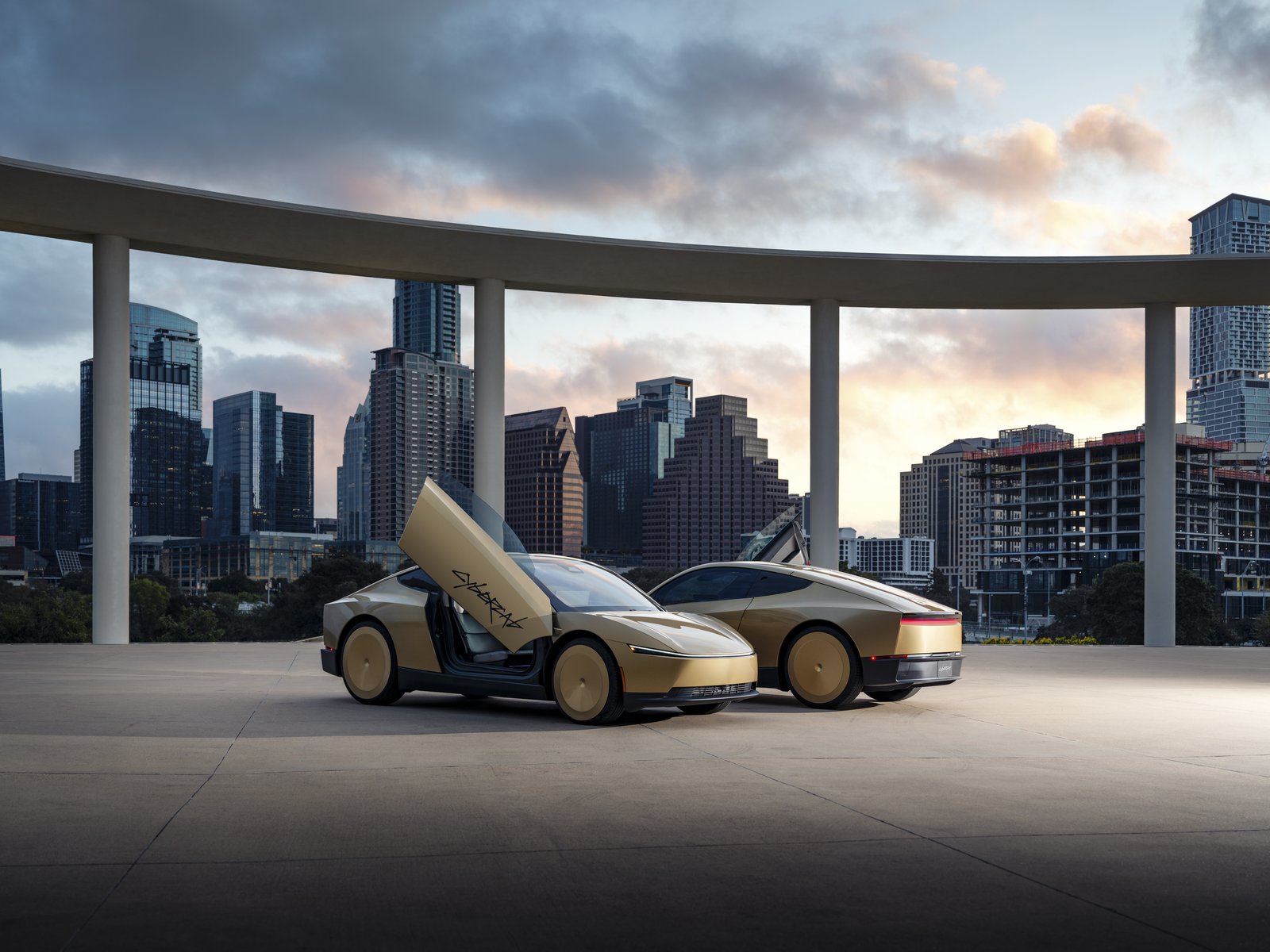
Last week, Tesla (TSLA) launched the purpose-built Cybercab in Dallas. Users of the Tesla Robotaxi app can now hail the two-seat electric vehicle and ride without a driver behind the wheel. The geofence expansion followed within days.
The 83% increase in service area is significant. A larger geofence means shorter trips become possible across more neighborhoods, and it puts more potential riders within reach of the fleet. It also signals that Tesla is comfortable with how its autonomy software performs on Dallas streets.
This is not the first time Tesla has widened its Dallas footprint. Repeated, incremental expansions fit the company's pattern: launch in a tight zone, collect data, then grow the boundaries as confidence builds. The speed of this latest step, however, stands out.
What Riders Are Saying
Early user reviews and ride videos are circulating online, and they offer a first look at the Cybercab experience. Riders are documenting pickups, in-cabin comfort, and how the vehicle handles real traffic. Independent footage matters here, because it shows how the service performs outside of Tesla's own demonstrations.
Public feedback will shape perception quickly. Smooth, uneventful rides build trust. Hesitant or awkward behavior, by contrast, spreads just as fast on social media. Tesla has to deliver consistency as the service area grows, since a bigger map exposes the system to more intersections, road types, and edge cases.
What It Means for Tesla Owners and Investors
For investors, the message is momentum. A new vehicle platform, a live driverless service, and a rapidly expanding operating zone all support the autonomy narrative that underpins much of TSLA's valuation. Watch for ride volume, fleet size, and any safety data Tesla chooses to share, because those figures will show whether growth is sustainable.
For owners, the Dallas rollout is a preview of where the company's software is headed. Progress on the Robotaxi network often reflects broader advances in Tesla's driver-assistance stack. Owners in Texas and beyond should expect further city launches and geofence growth, and the next expansion may arrive sooner than the last.