For years, the Tesla Semi has existed as a tantalizing glimpse of an electrified future for freight, a prototype powerhouse seen in fleeting glimpses and corporate promises. Now, in a revealing deep-dive on a legendary automotive platform, key Tesla engineers have pulled back the curtain on the semi-truck's revolutionary design philosophy, offering unprecedented technical details that explain how it aims to颠覆 a century of diesel dominance.
Engineering for Efficiency: The "Bullet" and the Battery
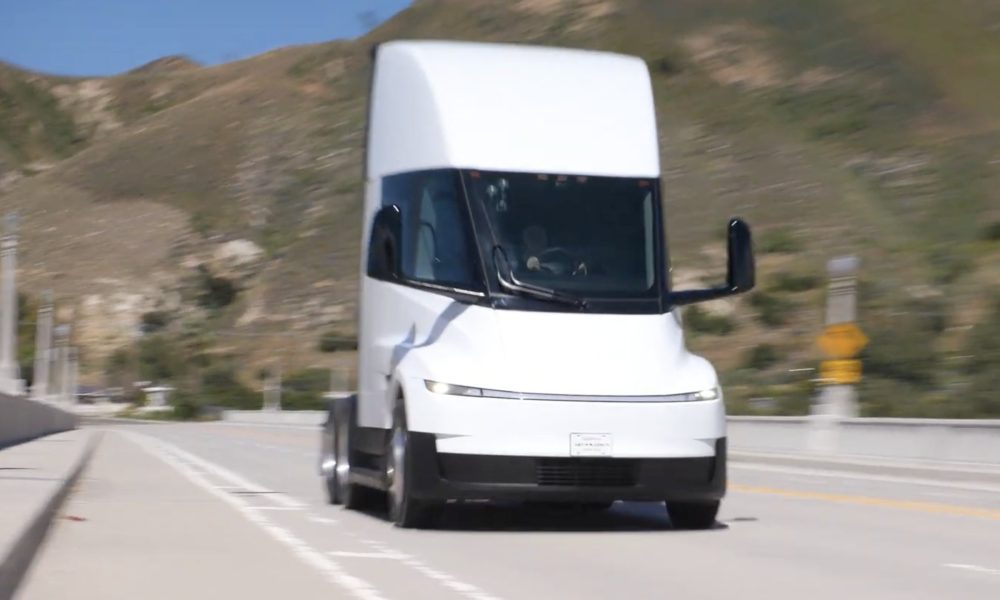
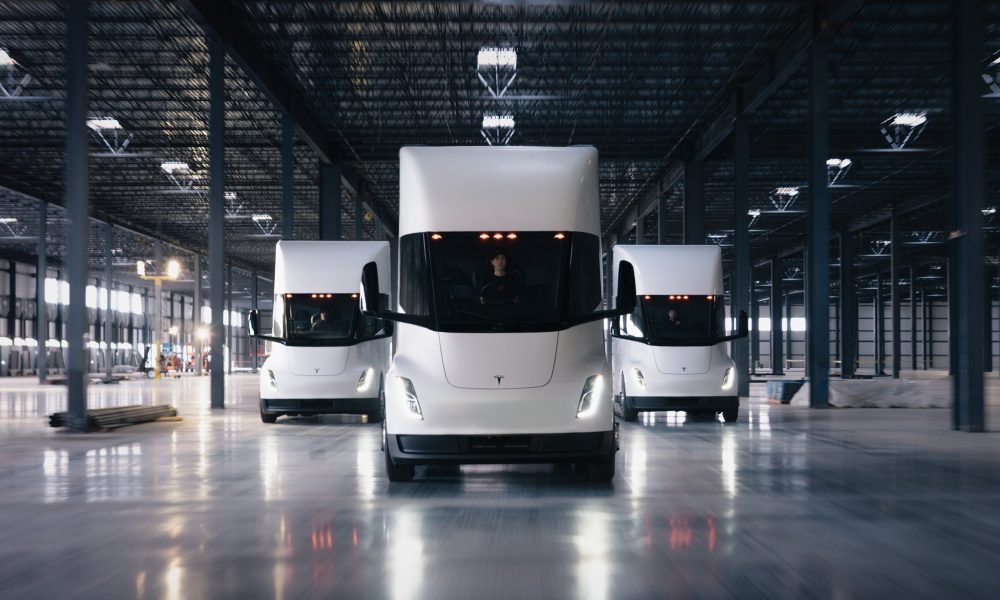
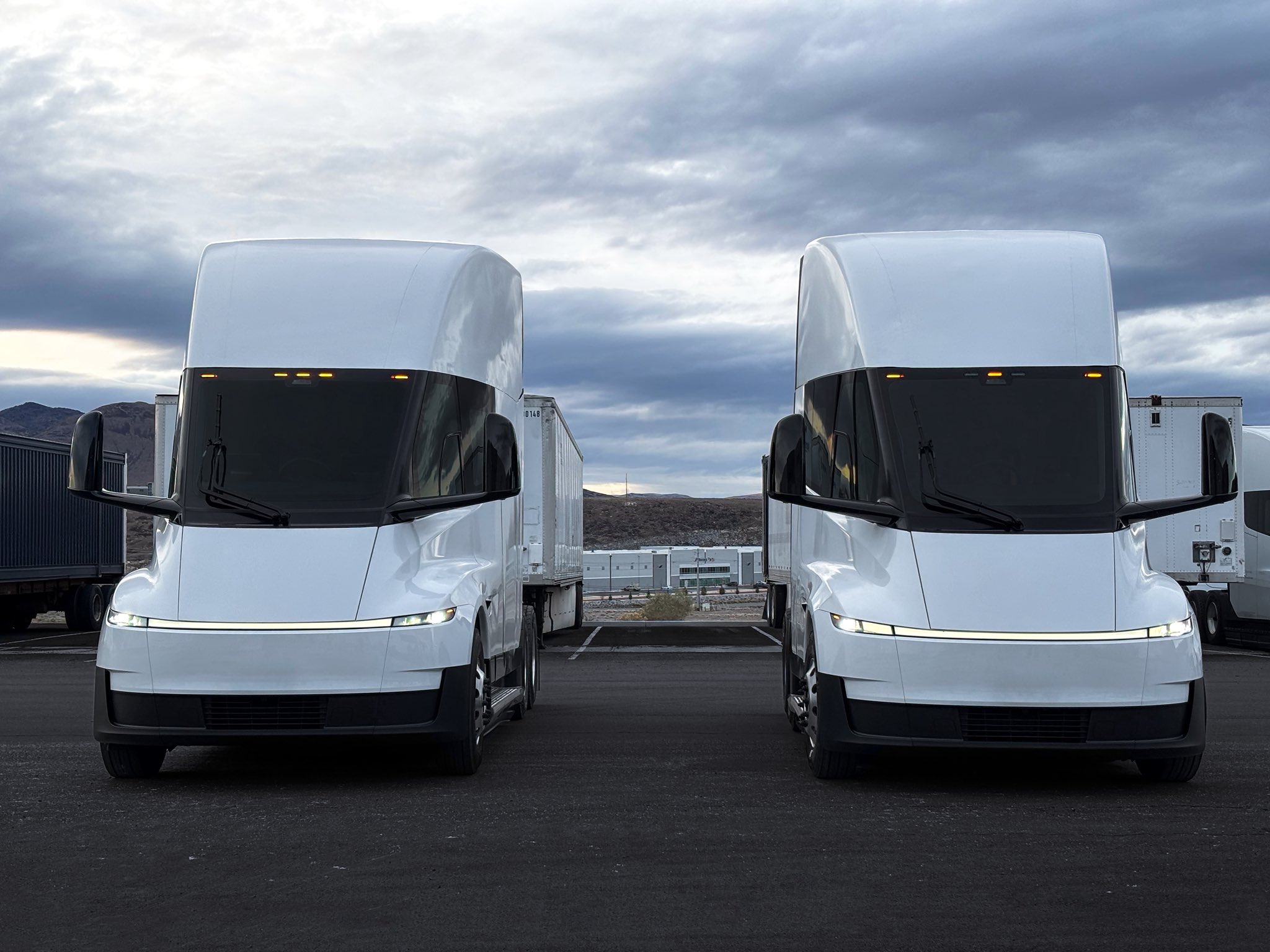
In a featured segment on Jay Leno's Garage, Tesla's Senior Manager of Semi-Truck Engineering, Dan Priestley, and Vice President of Vehicle Engineering, Lars Moravy, detailed the core principles behind the truck's form. The cab's striking, central driving position and sharp nose are not merely aesthetic choices; they are the result of a relentless pursuit of aerodynamics. Moravy described the design as a "bullet," engineered to cheat the wind with a 0.36 drag coefficient—a figure dramatically lower than any conventional truck. This focus extends to the powertrain, where Priestley confirmed the Semi uses three of Tesla's latest Model S Plaid drive units, creating a tri-motor setup optimized for both immense torque and remarkable highway efficiency.
Rethinking the Battery: A 500-Mile Range with a Catch
The discussion provided crucial clarity on the Semi's most debated spec: its range and battery. The executives confirmed the 500-mile range claim is for a fully loaded 82,000 lb Class 8 vehicle. However, they revealed this is achieved with a ~900 kWh battery pack, a monumental size that presents its own challenges. The key insight is that this range is not intended for a single continuous drive, but rather for a full day's regional hauling with charging during mandated driver breaks. This operational design leverages Tesla's 1 MW+ Semi Chargers, which can add about 70% range in just 30 minutes, aligning charging with federal hours-of-service regulations.
Further technical revelations addressed durability and performance. The Semi employs a 1,000-volt architecture to manage the immense energy flow and reduce charging time. Perhaps more impressively, the team highlighted the vehicle's regenerative braking prowess, stating that on a typical route with grades, the Semi can recover so much energy that it arrives at the bottom of a hill with more charge than it started with. This system also drastically reduces brake wear, with Priestley noting the physical friction brakes are almost an "emergency system," potentially lasting the lifetime of the vehicle.
For Tesla, the Semi represents more than a new vehicle line; it is a strategic proof point for the company's core technology. The truck's efficiency metrics and charging ecosystem directly validate Tesla's advancements in battery management, power electronics, and energy infrastructure. Success in the demanding commercial sector would not only open a massive new revenue stream but also serve as the ultimate testament to the reliability and cost-effectiveness of the electric drivetrain, potentially accelerating adoption across all transport segments.
For Tesla investors, the detailed engineering walkthrough validates the project's technical seriousness and moves it further from concept to commercial reality, though scaling production remains the next hurdle. For the broader EV industry, the Semi sets a daunting new benchmark for electric trucking performance. For fleet owners, the calculus is becoming clearer: the promise of drastically lower energy and maintenance costs per mile, as revealed in these deep technical insights, could soon make the switch from diesel not just an environmental choice, but an overwhelming financial one.