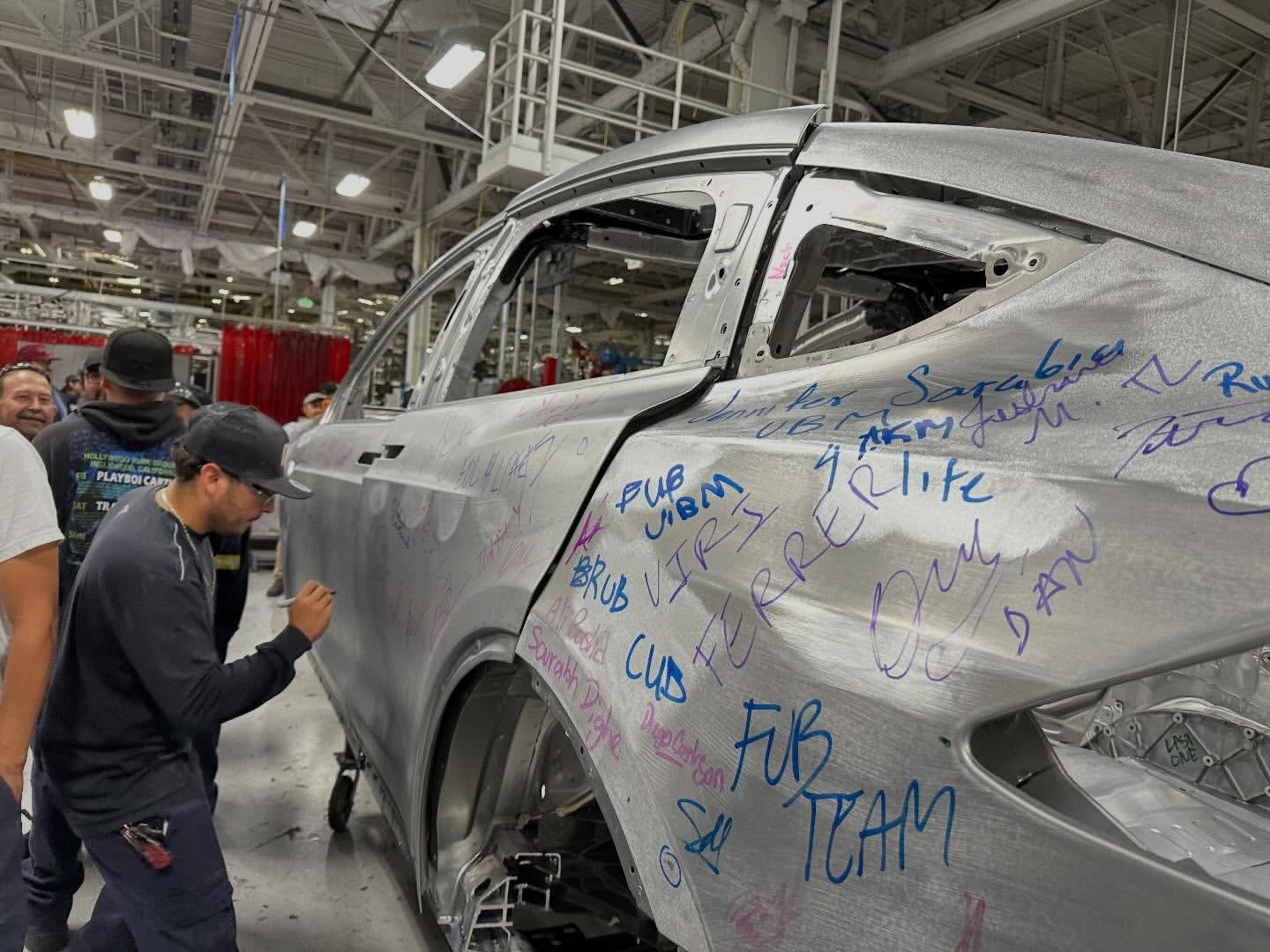
In a move that signals a profound shift in its corporate strategy, Tesla has officially ceased production of its flagship luxury vehicles, the Model S sedan and Model X SUV. The announcement, delivered via a company-wide email on Friday, marks the end of an era for the electric vehicle pioneer, closing the chapter on the two models that first proved EVs could be desirable, high-performance, and profitable. While a limited inventory of these vehicles remains available for purchase, their production lines at the Fremont factory have now gone silent, redirecting Tesla's full industrial focus toward its high-volume models and the future of autonomous driving.
The End of an Iconic Era
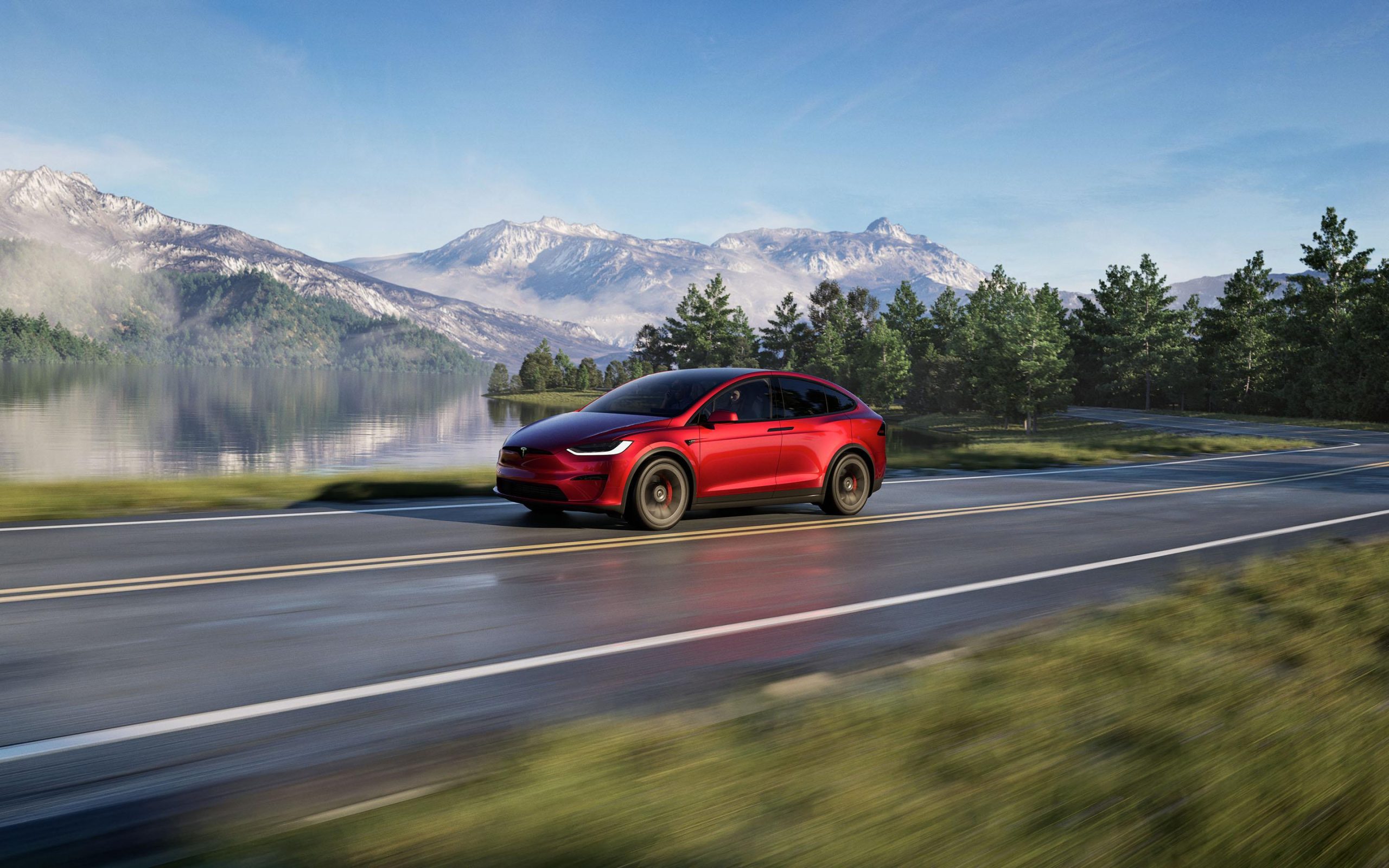
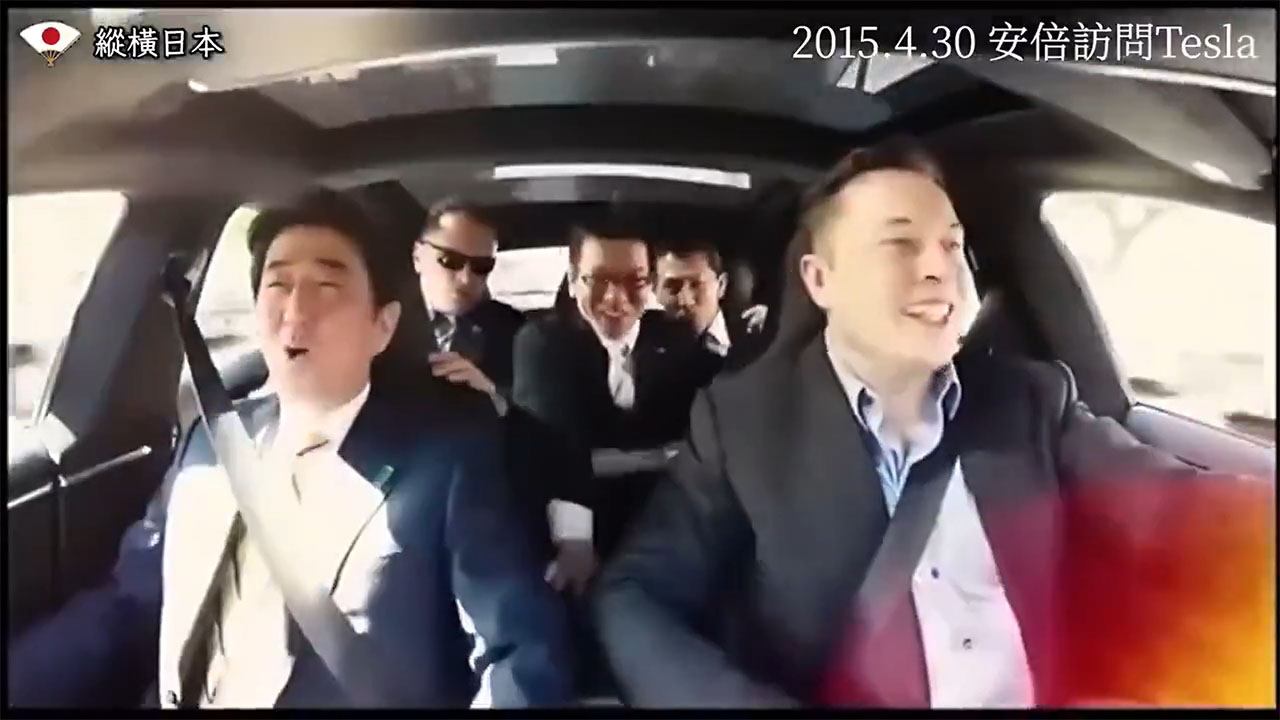
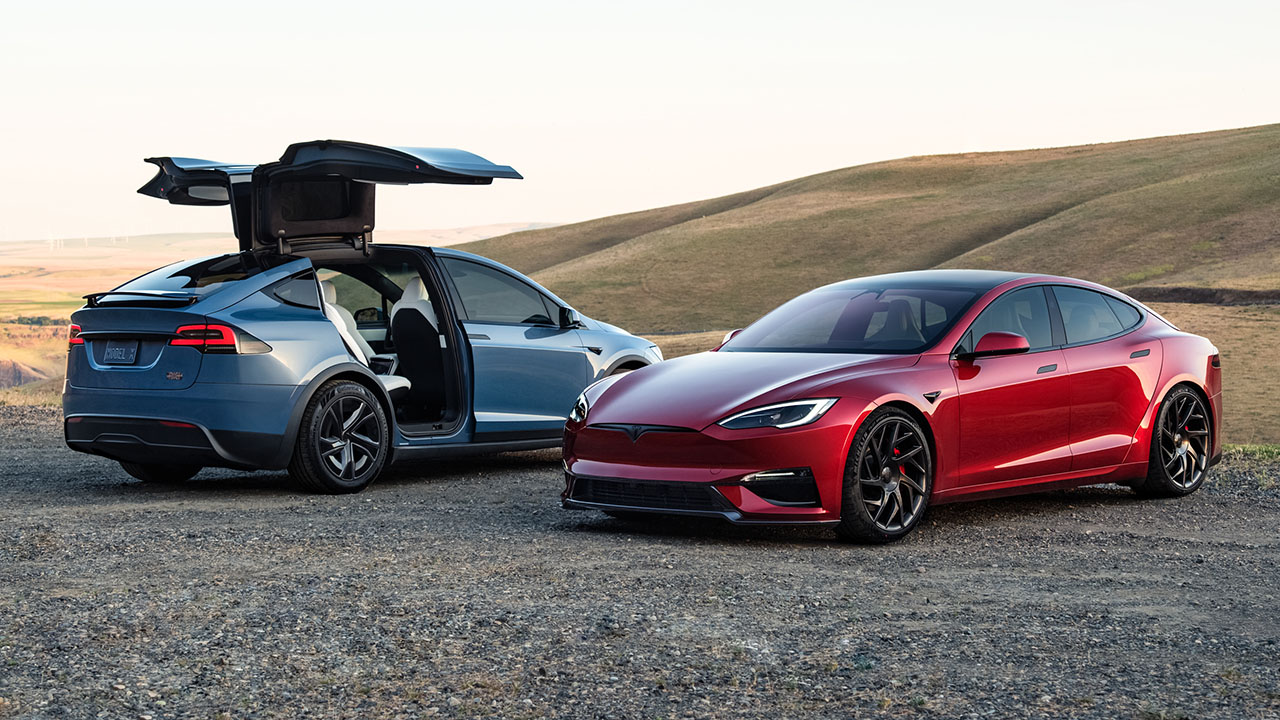
The Model S, launched in 2012, and the Model X, which followed in 2015, were nothing short of revolutionary. They shattered the "compliance car" image of early electric vehicles, combining blistering acceleration, long range, and cutting-edge tech into packages that commanded premium prices and cult-like admiration. Tesla's internal email acknowledged their foundational role, stating these models "marked the beginning of the world’s transition to electric transportation." They were the proof-of-concept that built Tesla's brand equity and bankrolled its ambitious expansion. However, in recent years, their sales have been dramatically eclipsed by the mass-market Model 3 and Model Y, which now constitute the overwhelming majority of Tesla's global deliveries.
Strategic Realignment and Factory Focus
This decision is not a retreat, but a calculated consolidation. Halting production of these lower-volume, more complex vehicles frees up critical manufacturing space and engineering resources at Tesla's Fremont, California factory. This capacity is urgently needed for the scaling of the updated Model 3 ("Highland") and the imminent refresh of the Model Y, as well as for the development and testing of Tesla's next-generation platform and autonomous driving systems. The move underscores CEO Elon Musk's relentless focus on simplification, scale, and software-driven profitability. It reflects a cold, hard business calculus: why dedicate a production line to a vehicle selling thousands of units per quarter when another line can produce hundreds of thousands?
The remaining inventory of new Model S and Model X vehicles will now become collector's items in the making. For prospective buyers, this final stock represents the last chance to acquire a brand-new vehicle from the lineage that started it all, complete with their latest Plaid powertrain and interior updates. For current owners, the long-term implications are mixed. The vehicles' value may see a stabilization or even increase due to their iconic status and limited final production numbers. However, concerns about long-term parts availability and specialized service support will inevitably arise, though Tesla is legally obligated to provide service parts for many years.
For Tesla investors, the production halt is a clear signal of operational maturity. It demonstrates a willingness to prune lower-margin products to optimize factory output and bolster overall profitability. The capital and labor no longer tied up in building the S and X can be redirected toward projects with higher strategic priority, namely achieving dominance in the high-volume EV segments and perfecting the Full Self-Driving ecosystem. This streamlining is likely to be viewed favorably by markets focused on efficiency and growth metrics, even as it evokes nostalgia for the vehicles that built the Tesla mythos.