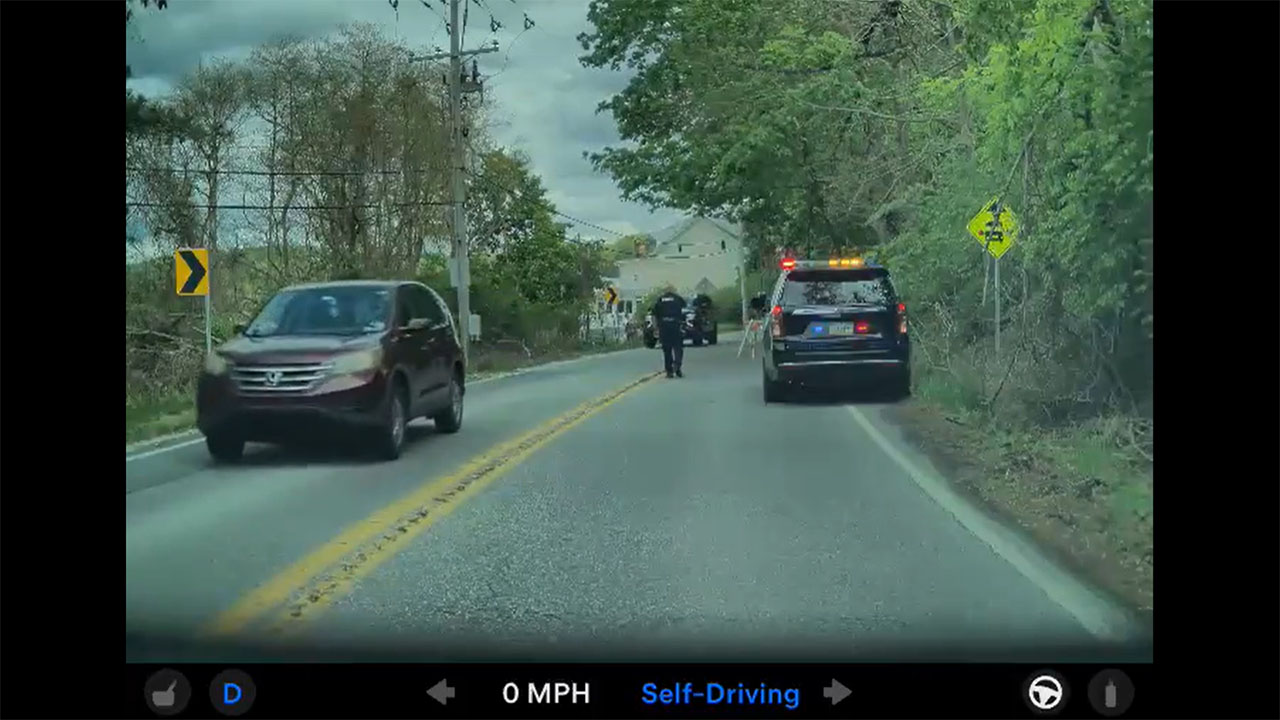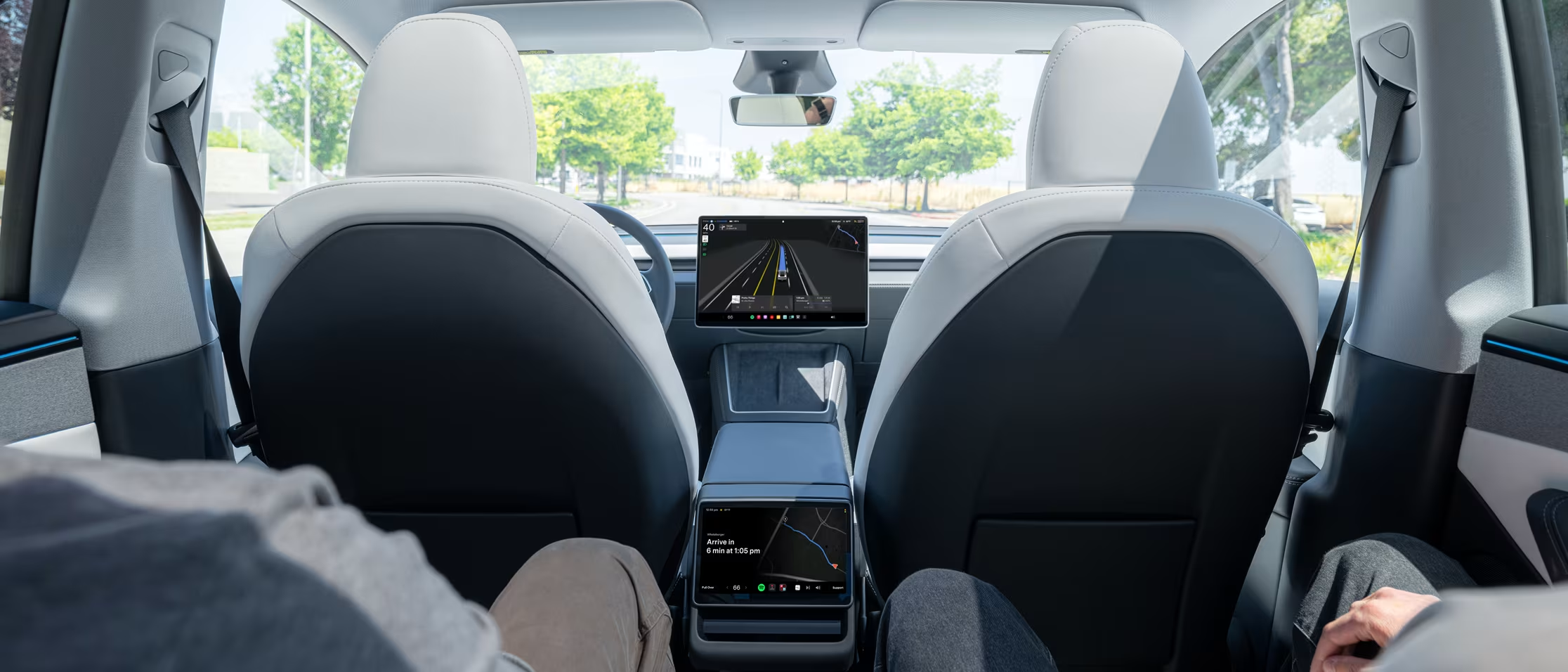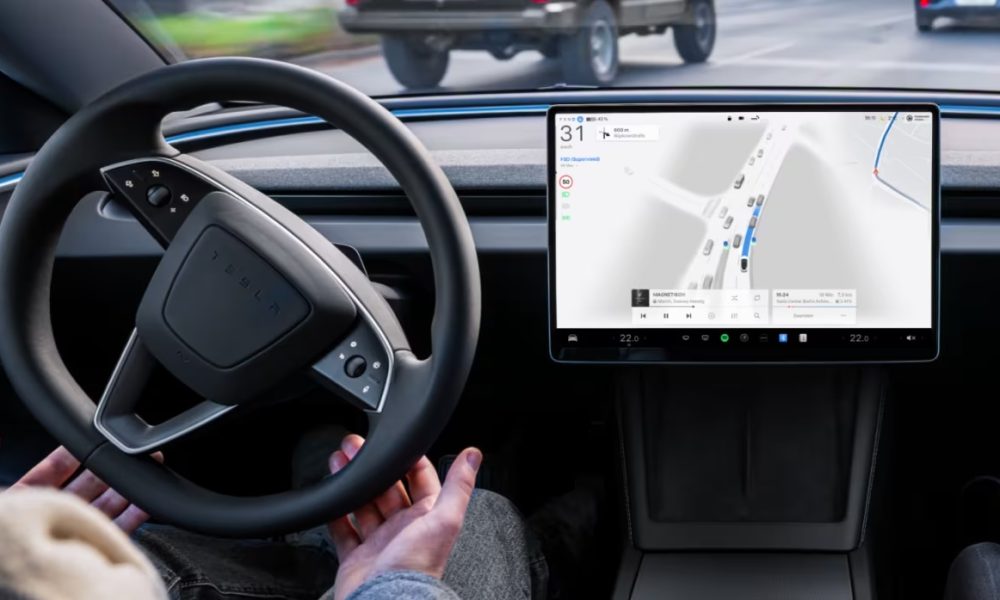
Tesla has officially pulled the plug on one of its most debated purchasing options. The company has removed the ability for new customers in the U.S. to buy its Full Self-Driving (FSD) capability outright, a significant shift in its long-term software monetization strategy. This move, which follows an announcement by CEO Elon Musk in January, effectively forces new buyers into a $99 per month subscription model if they wish to access the suite's advanced driver-assist features, ending the era of the one-time, permanent purchase.
The Strategic Pivot from Purchase to Subscription
The elimination of the $8,000 upfront FSD purchase option is not a sudden decision but a calculated strategic pivot. For years, Tesla offered customers a choice: pay a large sum upfront for a perpetual license or opt for the flexibility of a monthly fee. By removing the former, Tesla is aggressively steering its revenue model toward recurring software income. This provides a more predictable and steady cash flow, which is highly valued by investors and aligns with the broader automotive industry's shift toward "car as a service" offerings. The change also simplifies the sales process, eliminating a complex and expensive option at the point of vehicle configuration.
Unpacking the Motivations: Compensation and Adoption
While financial predictability is a key driver, another compelling factor is linked directly to Elon Musk's compensation package. A specific tranche of his monumental $56 billion pay plan is contingent upon achieving certain operational milestones, one of which is securing 10 million active FSD subscriptions. By making the subscription the only path to FSD access for new users, Tesla directly incentivizes the growth of that active user base, moving the needle toward unlocking that crucial milestone for Musk. Furthermore, the company argues that the subscription model lowers the barrier to entry, allowing more owners to try and regularly use the system, which in turn generates more real-world driving data to improve the AI.
The implications of this shift are multifaceted. For Tesla, it represents a doubling down on its software-centric identity, betting that a continuous stream of updates and improvements will justify an ongoing fee from customers. However, it also raises the total cost of ownership over time for loyal users. An owner who keeps their vehicle for more than 6.7 years would end up paying more via subscription than the old upfront cost, a calculation that may frustrate some long-term enthusiasts.
What This Means for Tesla Owners and Investors
For current and prospective Tesla owners, the calculus of acquiring FSD has fundamentally changed. New buyers must now view the technology as an ongoing operating expense rather than a capital investment tied to the car's value. This could make some hesitant to commit, while others may appreciate the ability to activate and deactivate the service as needed. For investors, the move is a clear positive, signaling a stronger commitment to high-margin, recurring revenue streams that are less cyclical than vehicle sales. The success of this strategy now hinges entirely on Tesla's ability to deliver rapid and tangible improvements to the FSD system, convincing a growing pool of subscribers that the monthly fee is worth the cost of admission to the forefront of electric vehicle automation.