In a move underscoring the intersection of global events and corporate responsibility, Tesla has activated complimentary Supercharging across key regions in the Middle East. The initiative, confirmed by the automaker, is a direct response to the escalating regional conflict and is designed to assist owners during a period of heightened uncertainty and displacement. This strategic deployment of its proprietary charging network highlights Tesla's unique ability to leverage its infrastructure for rapid humanitarian support, transforming energy access from a commercial transaction into a critical utility.
A Rapid Response to Regional Turmoil
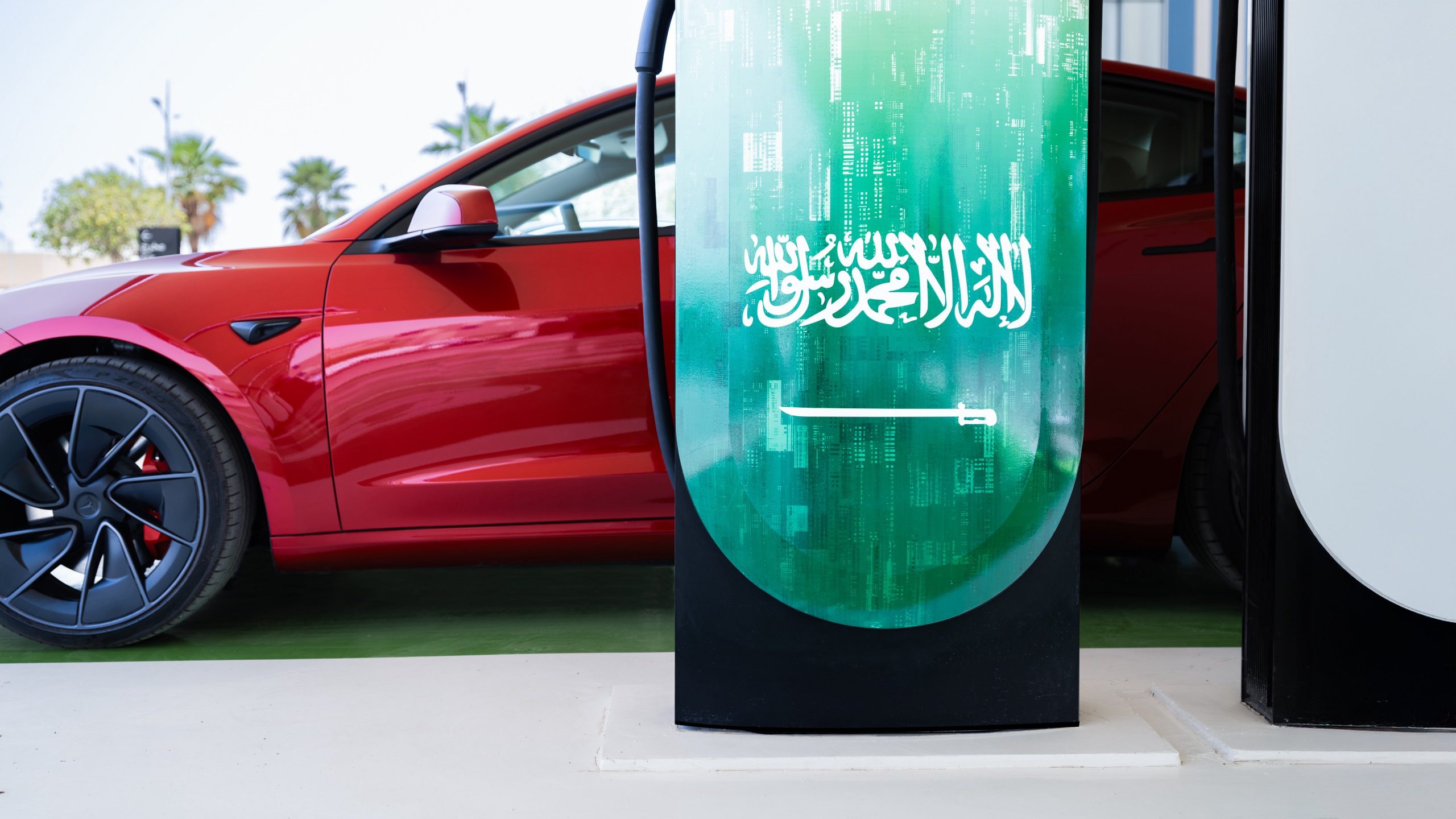
The offer for free Supercharging went live at midnight local time and is available at select stations in Saudi Arabia and other affected nations. This is not Tesla's first such action; the company has a precedent of enabling free charging during natural disasters and crises, such as hurricanes in Florida or wildfires in California. By extending this policy to the Middle East, Tesla is applying a established playbook to a complex geopolitical situation. The immediate effect is tangible relief for EV owners who may be traveling unexpectedly or facing financial strain, ensuring mobility is not an added concern.
The Strategic Value of a Proprietary Network
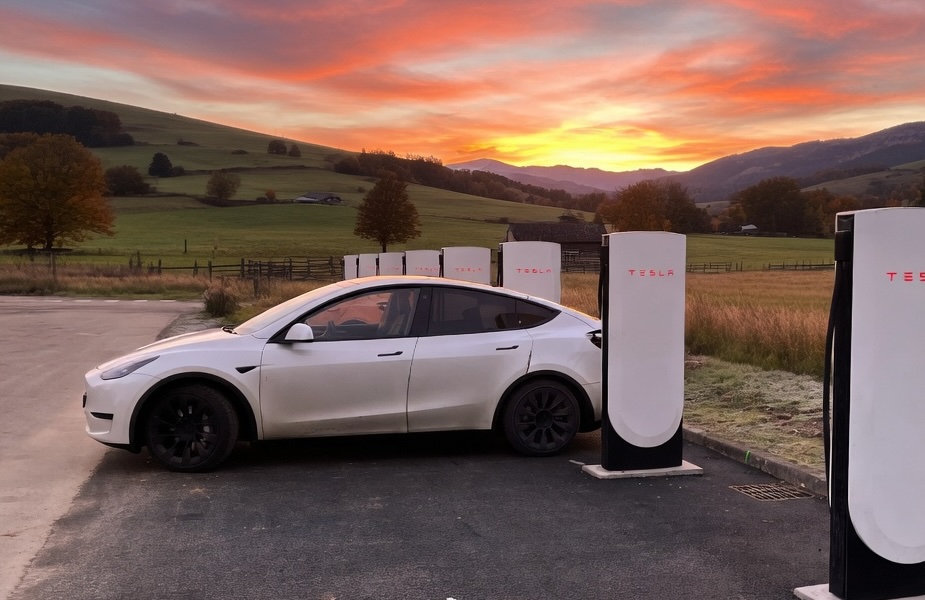
This decision powerfully illustrates the strategic advantage of Tesla's vertically integrated Supercharger network. Unlike automakers reliant on third-party charging providers, Tesla can unilaterally change pricing and access policies across entire regions with a software update. The network itself becomes a dynamic tool for brand loyalty and real-time customer support. Furthermore, in regions where Tesla is aggressively expanding its market presence, gestures of this magnitude resonate deeply, building immense goodwill and demonstrating a commitment that extends beyond selling cars.
Contextually, the activation of free charging serves a dual purpose: humanitarian aid and pragmatic network management. During crises, predictable evacuation routes become congested, and ensuring electric vehicle owners can charge without cost or account complications helps maintain traffic flow around Supercharger locations. It reduces friction at a time when stress is high. This calculated benevolence also keeps Tesla's infrastructure at the forefront as a reliable asset, subtly reinforcing its superiority over less coordinated public charging alternatives.
Implications for Owners and the Investment Thesis
For Tesla owners in the region, this action provides immediate, practical support and reinforces the value proposition of being part of the Tesla ecosystem. The company's ability to respond in this manner is a powerful feature no other automaker can currently match at scale. For investors, the move is a nuanced data point. It involves a temporary forgoing of Supercharging revenue, a minor financial impact, in exchange for significant brand equity and risk mitigation. It demonstrates operational agility and a long-term view on customer retention, especially in growth markets. However, it also subtly underscores the geopolitical risks inherent in Tesla's global operations, where regional instability can necessitate unexpected corporate intervention.
Ultimately, Tesla's decision transforms its charging stations from mere points of energy transfer into hubs of community support. As the situation develops, this policy will be closely watched for its duration and scope. It sets a precedent for how a technology-driven mobility company can—and perhaps is expected to—respond when world events directly impact its customers, blending corporate capability with a form of crisis diplomacy.