In a move set to redefine the value proposition of its existing fleet, Tesla CEO Elon Musk has officially confirmed the company's long-standing pledge: owners with Hardware 3 (HW3) who purchased the Full Self-Driving (FSD) package will receive a free, comprehensive upgrade to support the forthcoming "Unsupervised" autonomous driving capability. This announcement directly addresses years of speculation and concern among early adopters, guaranteeing that their initial investment will not be rendered obsolete by the rapid pace of Tesla's technological evolution. The commitment underscores a critical pivot from software-centric updates to a necessary hardware intervention, signaling the final engineering push towards true driverless operation.
From Promise to Reality: The Hardware Upgrade Mandate
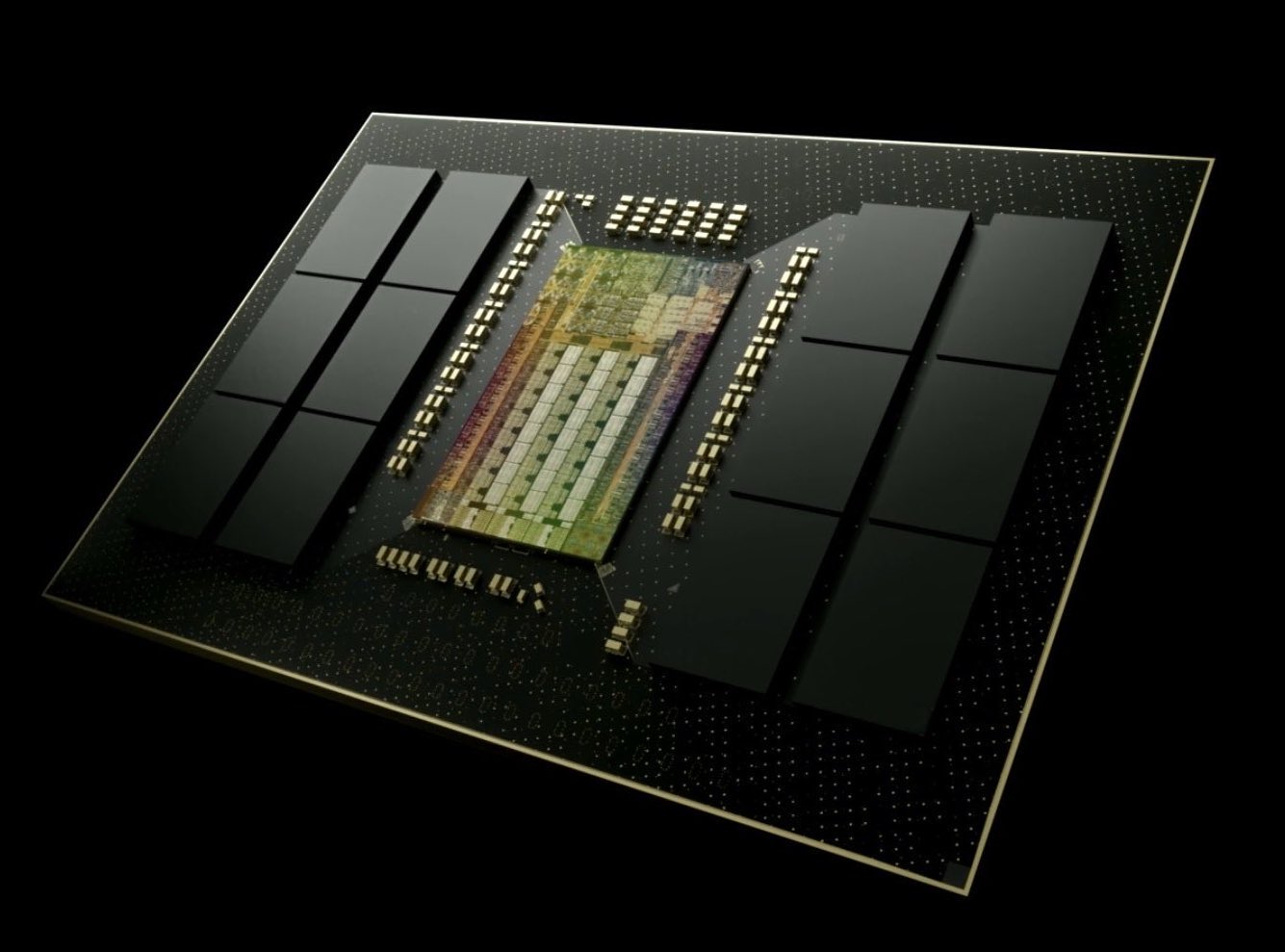
Musk's confirmation explicitly states that achieving "Unsupervised" FSD—where the car can operate without driver monitoring—requires more than just algorithmic refinement. While HW3 was once touted as sufficient for full autonomy, the leap to a system with no safety driver necessitates new hardware components. Tesla has committed to providing these upgrades free of charge to eligible customers, which likely includes the next-generation Autopilot computer, higher-resolution cameras, and potentially an updated radar or pure vision suite. This retrofit is a significant logistical and financial undertaking by Tesla, but one it deems essential to deliver on its core autonomy promise and maintain trust with its most loyal customer base.
Context and Analysis: A Strategic Necessity
This decision is not merely about customer goodwill; it's a strategic imperative. With regulatory scrutiny intensifying and competitors advancing their own autonomous projects, Tesla must demonstrate a clear, viable path to full self-driving to justify the FSD package's price and its own market valuation. Upgrading the existing fleet of millions of HW3-equipped vehicles creates a massive, instantly addressable market for the "Unsupervised" software once approved. Furthermore, it mitigates the risk of a fragmented autonomy platform and ensures a uniform data-collection fleet, which is the lifeblood of Tesla's iterative development process. The move effectively future-proofs a substantial portion of its global fleet overnight.
The implications of this hardware transition extend beyond current owners. It tacitly acknowledges that the sensor suite and computing power envisioned years ago have their limits, providing critical insights into the real-world requirements of Level 4/5 autonomy. This upgrade path also sets a precedent for how Tesla might handle future technological leaps, potentially influencing consumer confidence in purchasing both cars and software today with the expectation they won't be stranded tomorrow.
Implications for Tesla Owners and Investors
For eligible Tesla owners, this is a watershed moment that validates their early faith and expenditure. The upgrade transforms their vehicle's long-term utility and resale value, effectively granting them a new capability horizon without additional cost. They should prepare for service center appointments once the retrofit program rolls out, likely in phases following broader regulatory approvals for the "Unsupervised" software.
For investors, the announcement carries mixed signals. The cost of the hardware retrofit program will pressure near-term margins, representing a substantial capital outlay. However, it removes a major overhang on Tesla's reputation and clears the path for accelerated FSD revenue recognition and wider adoption. Successfully deploying "Unsupervised" FSD to a upgraded fleet could unlock the recurring, high-margin software revenue stream that has long been central to Tesla's investment thesis, potentially justifying the short-term financial hit. The market will now watch closely for timelines, rollout efficiency, and, most critically, regulatory milestones.