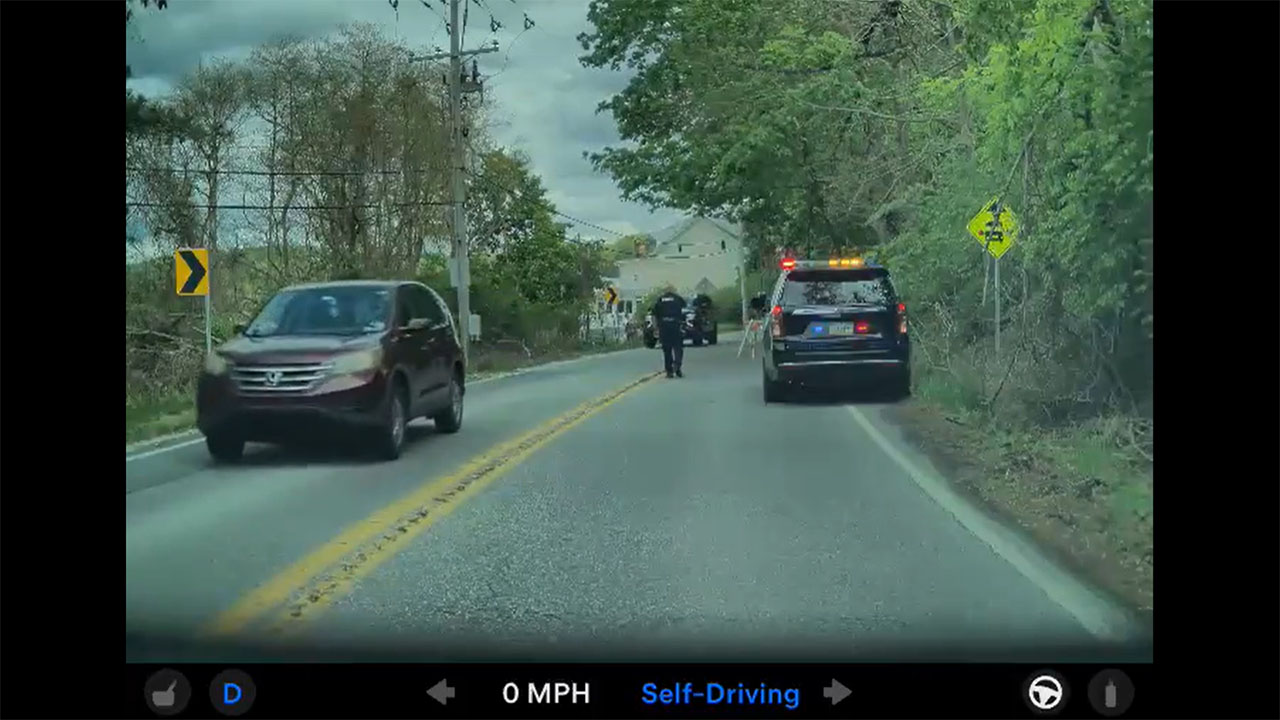
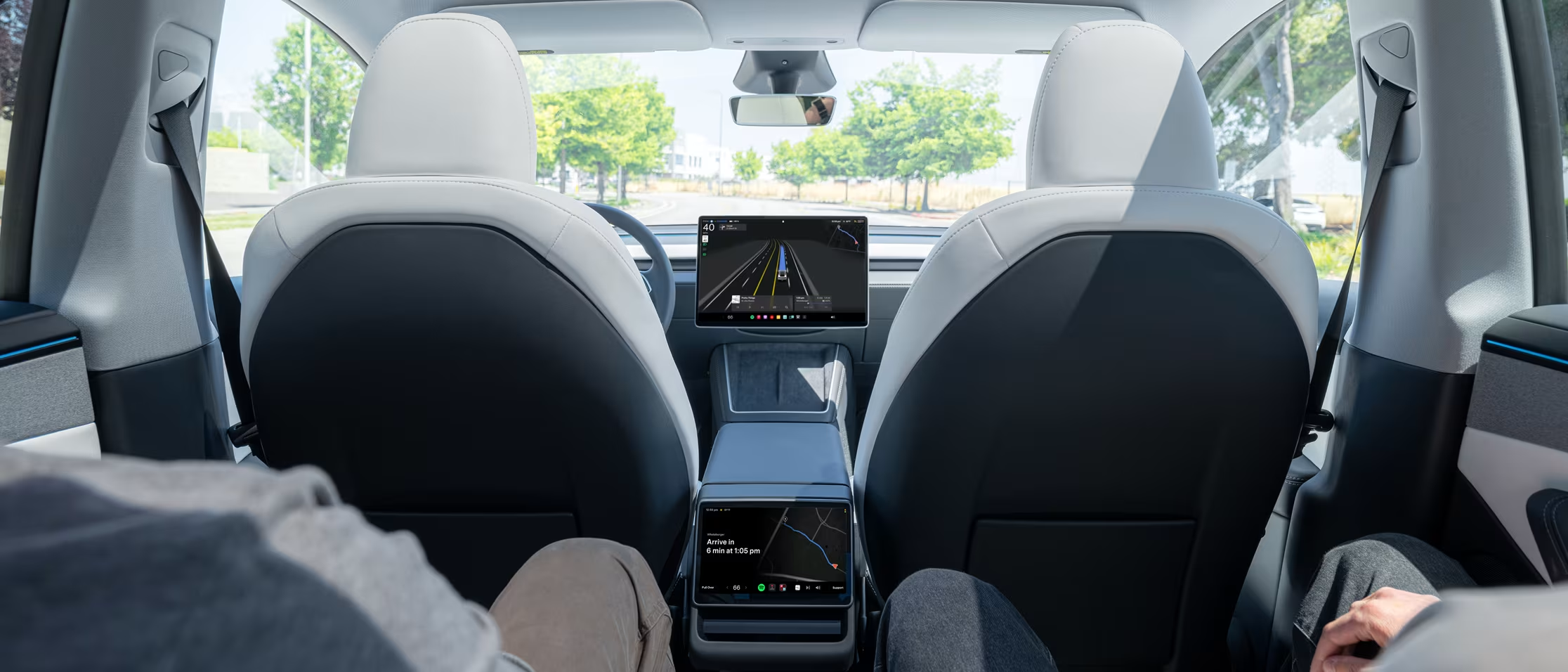
In a significant regulatory reprieve, Tesla has narrowly avoided a mandatory 30-day suspension of its driver-assistance systems in California. The California Department of Motor Vehicles (DMV) has closed its investigation into the company's marketing practices, a decision that arrives just weeks after Tesla made a pivotal, preemptive change to its software naming structure.
A Preemptive Strike: The Discontinuation of "Autopilot"
The DMV's probe centered on whether Tesla's use of terms like Autopilot and Full Self-Driving (FSD) constituted misleading advertising, suggesting the vehicles were autonomous. Tesla's move to sidestep suspension was not based on winning a legal argument, but on a fundamental product shift. Last month, the company discontinued the option for new buyers to purchase the basic Autopilot package. New vehicles now come standard with what Tesla calls Autopilot (Supervised), a renamed version of its previous city-streets-capable FSD Beta software, while the advanced package is now labeled FSD (Supervised). This rebranding, heavily emphasizing the "supervised" nature of the systems, appears to have satisfied the DMV's immediate concerns about consumer deception.
Regulatory Pressure and the "Supervised" Era
California's action is part of a broader, intensifying global scrutiny of Tesla's driver-assistance technology. The National Highway Traffic Safety Administration (NHTSA) has multiple ongoing defect investigations, and German courts have previously ruled against the Autopilot name. By proactively appending "(Supervised)" to its system names, Tesla is making a clear, if semantic, concession to regulators: these are not self-driving cars. This strategic retreat on nomenclature allows the core technology to remain on the road while attempting to reset customer expectations and mitigate legal risk. The California DMV stated its review concluded the updated language "more accurately describes the functions" of the features.
For Tesla, the outcome is a best-case scenario that avoids the logistical and reputational nightmare of disabling features for its massive California fleet. However, the episode underscores a new phase of enforced caution. The company's ability to use visionary, aspirational language is now being hemmed in by regulatory bodies demanding literal precision. This tension between innovation-friendly marketing and consumer-protection mandates will continue to define Tesla's path toward actual autonomy.
For Tesla owners and investors, the resolution is a clear positive, removing an overhang of potential disruption. Existing features remain intact, and the company avoids a damaging precedent. Yet, the implications are twofold. First, it signals that regulatory pushback is becoming a tangible operational factor that can force product changes. Second, the shift to "Supervised" branding is a stark, official reminder that despite the capabilities of FSD, the driver is unequivocally responsible for the vehicle's operation at all times—a legal and safety reality that investors must weigh against the long-term valuation promise of true autonomous driving.