For prospective Tesla buyers in France, the most pressing question after clicking "order" isn't about range or horsepower—it's about the agonizing wait. While Tesla's official configurator provides estimated delivery windows, seasoned customers know these are often fluid. To cut through the uncertainty, we've analyzed community-sourced data from March 2026 to establish a real-world delivery barometer, revealing the actual timeline from order to driveway.
March 2026: A Market Stabilizing, But Disparities Remain
The data indicates a market in a state of post-adjustment normalization. Following the initial production ramp of the updated Model 3 Highland and the continued dominance of the Model Y, wait times have largely stabilized from the volatile swings of late 2025. However, significant disparities exist between models and trims. The most popular configuration, the Model Y Long Range8 to 10 weeks for new orders placed in March. In contrast, orders for the performance variants of both Model 3 and Model Y are seeing slightly quicker turnarounds, often between 6 to 8 weeks, likely due to prioritized production batches and lower relative demand.
The Berlin Effect and Inventory Wildcards
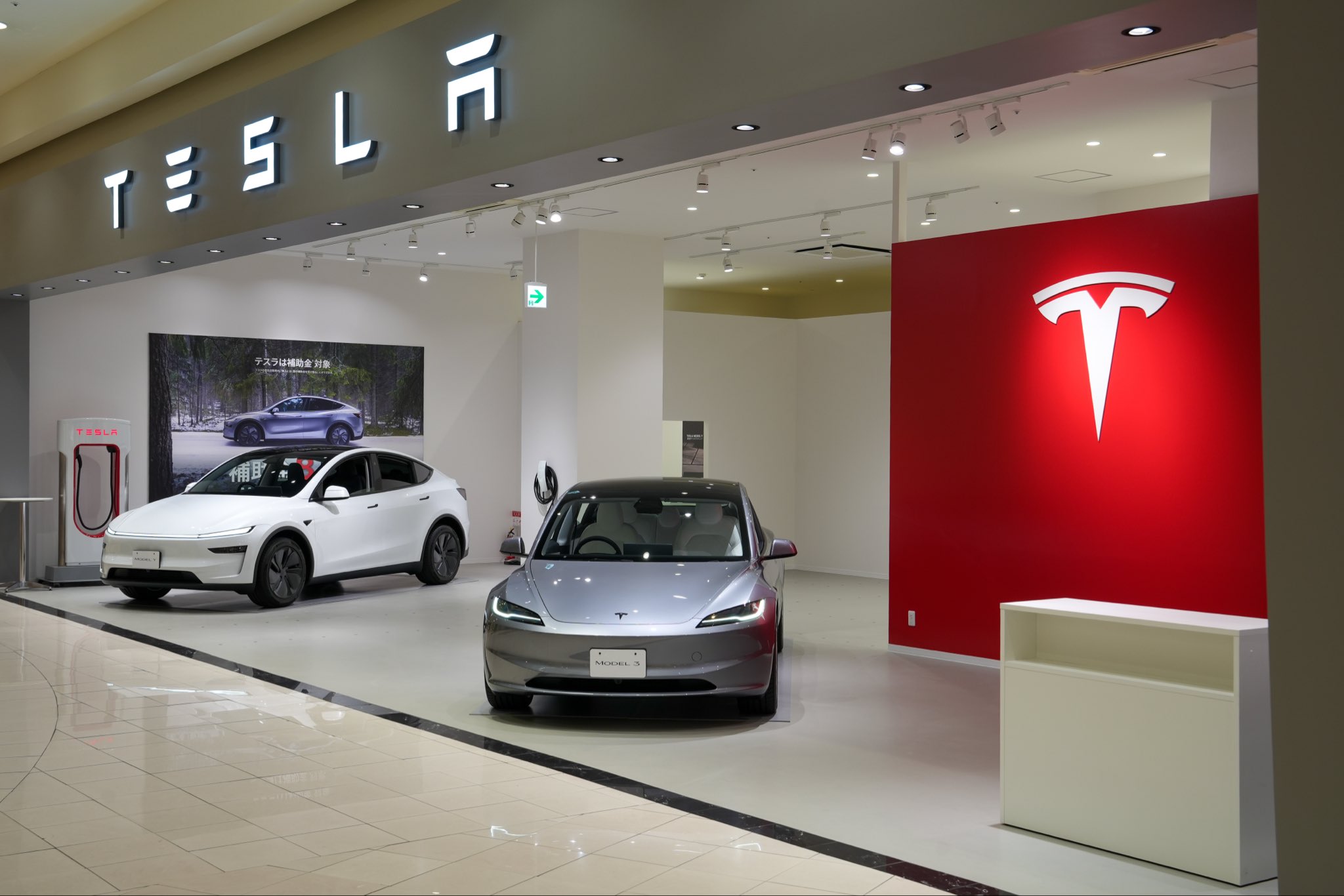
The proximity of Tesla's Gigafactory Berlin-Brandenburg remains a crucial advantage for the French market, serving as the primary source for vehicles. Production consistency there is the single largest factor in delivery predictability. Notably, a growing trend is shortening waits for some buyers: the inventory vehicle. Tesla's existing inventory, comprising both demonstrator vehicles and cancelled orders, has become a secret weapon for immediate gratification. Our data shows that customers willing to be flexible on color or wheel options can sometimes take delivery of a vehicle within 2 to 4 weeks by selecting from available inventory, a timeline that is consistently beating custom orders.
This inventory phenomenon underscores a shift in Tesla's logistics strategy towards holding more local stock to capture impulse buyers and those unwilling to wait. It also reflects the company's improved manufacturing efficiency, allowing for the production of buffer stock alongside custom orders. However, the availability of these vehicles is sporadic and heavily dependent on regional allocations, making them a wildcard rather than a guaranteed shortcut.
For investors, this delivery landscape signals a mature operational phase in a key European market. Stable, predictable wait times—coupled with the strategic use of local inventory—suggest Tesla is moving beyond pure build-to-order chaos and mastering regional supply chain dynamics. This operational smoothness reduces customer friction and can support steadier quarterly delivery figures, as the company is less susceptible to end-of-quarter delivery crunches that have characterized past performances.
For French owners and future buyers, the message is clear: patience still pays, but agility pays faster. While a custom-ordered vehicle will likely arrive within a predictable two-month window, actively monitoring existing Tesla inventory could drastically shorten your wait. This dynamic makes the purchase process more akin to the traditional automotive experience, while still offering the customization many desire. As Gigafactory Berlin continues to optimize, the long-term trend points to even greater consistency, turning the delivery estimate from a guessing game into a reliable promise.