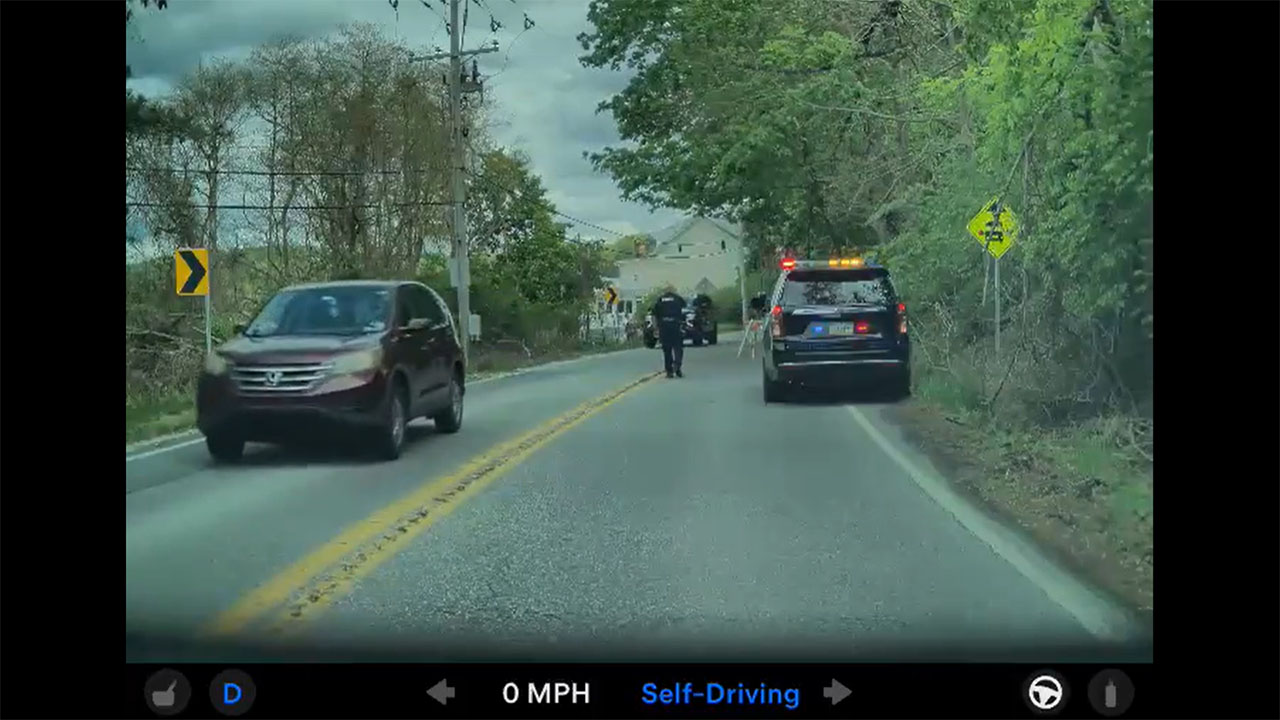
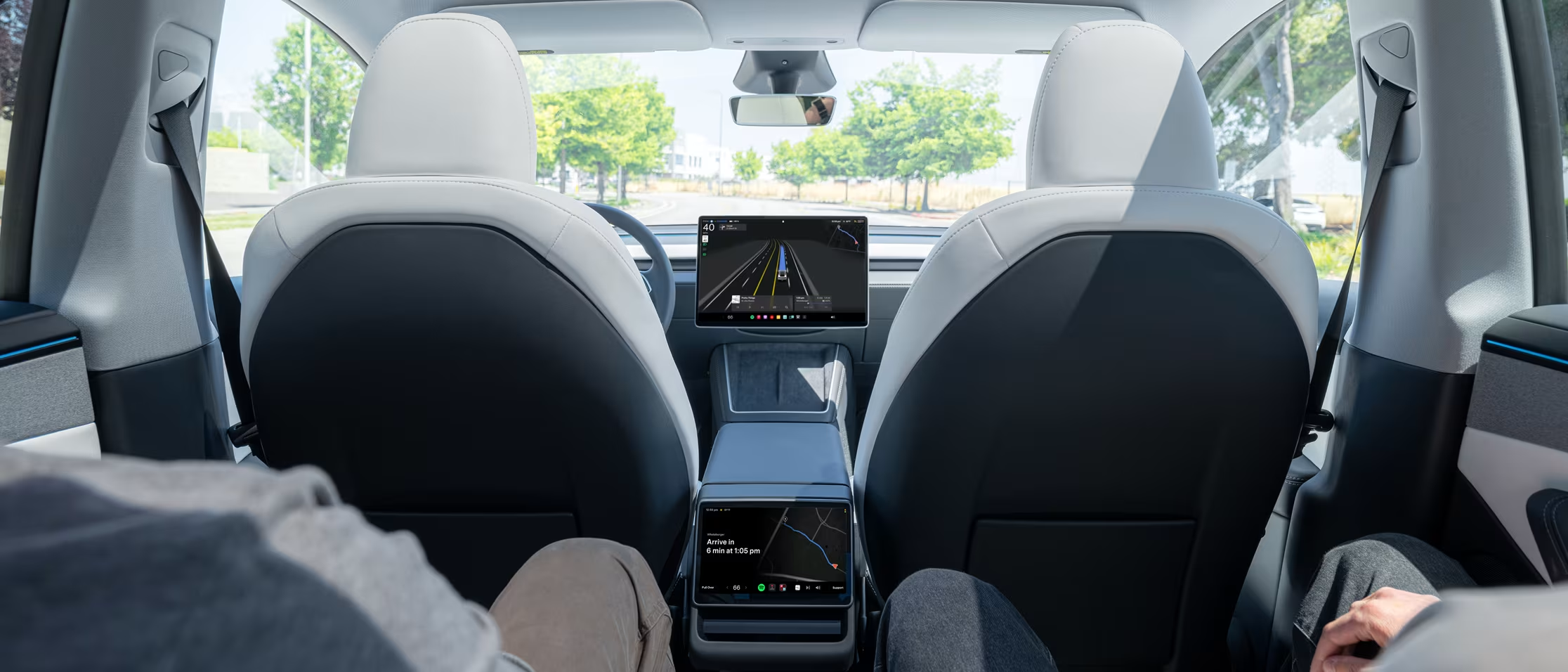
The future of autonomous transportation is no longer a distant concept confined to investor day presentations; it is now a tangible, wheel-less reality rolling out of Tesla's Giga Texas factory. Just days after Elon Musk announced the completion of the first "Cybercab," multiple new prototypes have been spotted on the factory grounds, and their most striking feature is the definitive absence of a steering wheel. This visual confirmation marks a pivotal leap from theory to hardware, signaling that Tesla's fully autonomous robotaxi platform is rapidly approaching its real-world debut.
A Design Commitment to Full Autonomy
The sighting of these steering wheel-free vehicles is the clearest signal yet that Tesla is designing its dedicated robotaxi from the ground up for SAE Level 4 or 5 autonomy. Unlike modified consumer vehicles, the Cybercab's interior is being engineered solely for passenger experience, not driver control. This radical design philosophy underscores a profound confidence in the capability of Tesla's "Full Self-Driving" (FSD) software stack. By removing traditional controls, Tesla is making a bold statement about the intended operational domain of the Cybercab and eliminating any ambiguity about human intervention.
Accelerated Timeline and Production Implications
The rapid appearance of multiple units so soon after the initial build announcement suggests an aggressive prototyping and validation phase is underway at Giga Texas. This accelerated timeline aligns with Elon Musk's recent pronouncements about prioritizing the robotaxi over a next-generation low-cost "Model 2." The focus on the Cybercab indicates a strategic pivot, leveraging Tesla's existing manufacturing prowess and unified "unboxed" assembly process to bring a high-margin autonomous vehicle to market faster than previously anticipated. The factory is now the primary stage for the most significant product evolution since the Model 3.
For Tesla owners and investors, the tangible progress on the Cybercab is a double-edged sword with monumental implications. The successful deployment of a commercial robotaxi fleet represents the ultimate realization of Tesla's long-term valuation thesis, promising to unlock a recurring, high-margin revenue stream from mobility-as-a-service. However, it also places immense pressure on the regulatory approval and flawless real-world performance of the FSD system. The sight of these vehicles is a powerful testament to Tesla's engineering execution, but the true test—safe, scalable, and profitable autonomous operation—lies just ahead. The road to that future, it appears, requires no steering wheel at all.