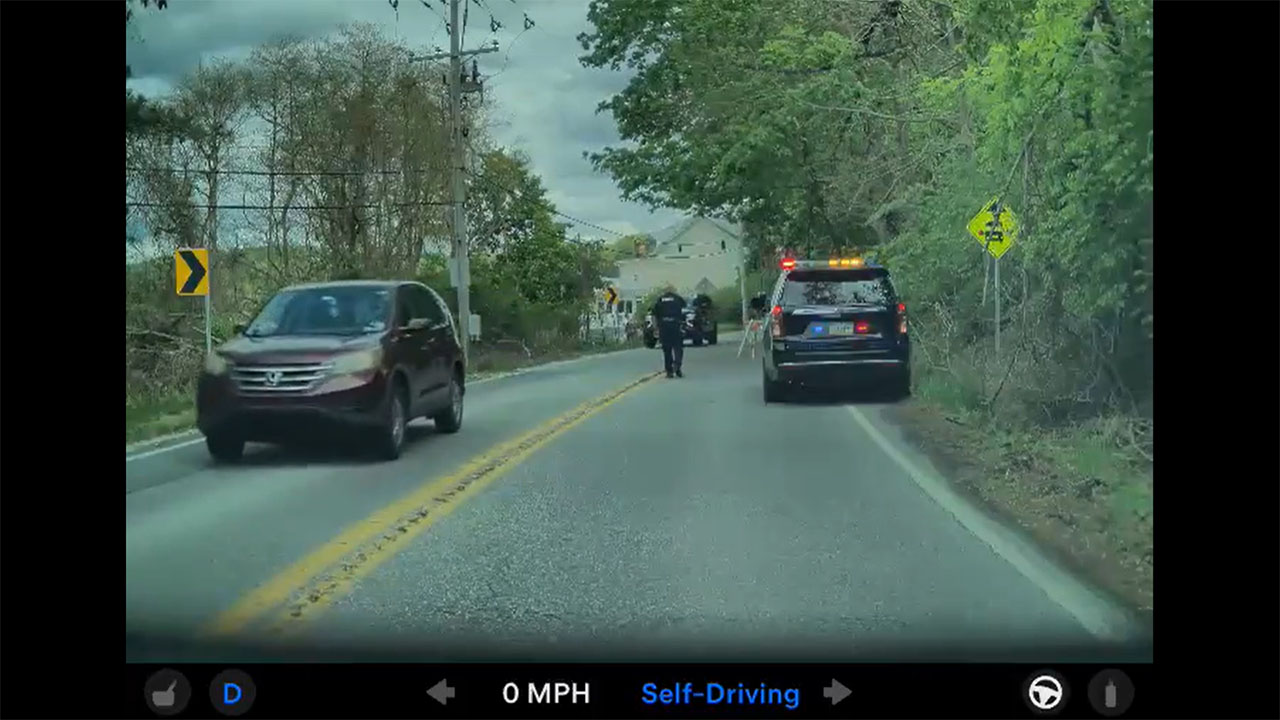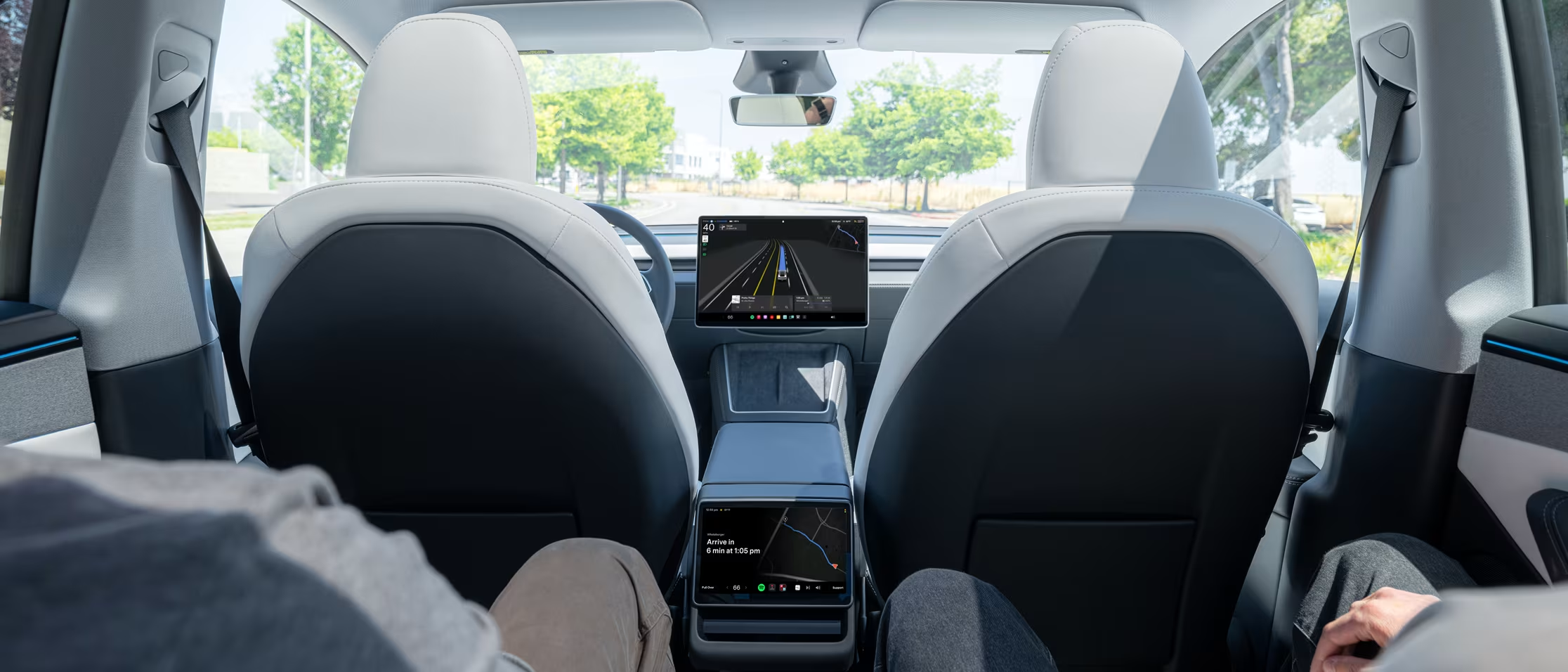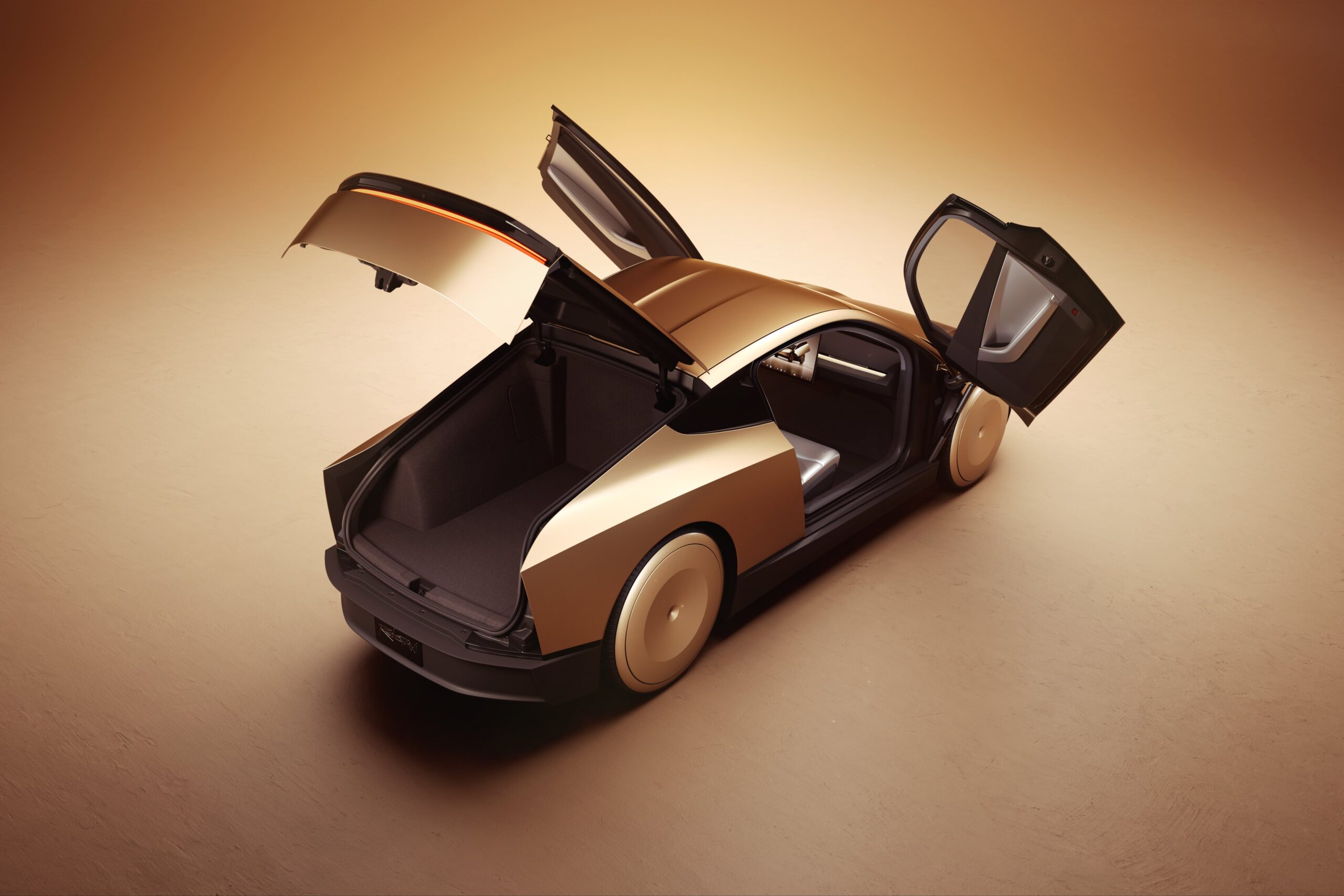
In a move that shocked the automotive world and electrified its fanbase, Tesla's unveiling of the radical Cybercab wasn't just another product launch—it was a declaration of war on the very concept of car ownership and human-driven transit. By completely eliminating the steering wheel and pedals, Elon Musk didn't simply redesign a vehicle; he redefined its purpose. This bold gambit is far more than a design flourish; it is a calculated masterstroke aimed at accelerating the world's transition to a fully autonomous future, forcing regulators, competitors, and consumers to confront a new reality.
The Philosophy of Radical Subtraction
Traditional automakers approach autonomy as an additive process, layering advanced driver-assist systems onto conventional car architectures. Tesla's strategy with the Cybercab is one of radical subtraction. Removing the steering wheel is a physical and symbolic act that severs the last tether to human control. It declares the vehicle a Level 4 or 5 autonomous system by design, incapable of being driven by a person. This forces a binary choice: either the software is reliable enough to handle all driving scenarios, or the vehicle cannot function. This uncompromising stance is a powerful statement of confidence in Tesla's Full Self-Driving (FSD) technology and a direct challenge to the incrementalist approach of its rivals.
Unlocking the True Economics of Robotaxis
The missing steering wheel is the key to the Cybercab's core business proposition. By designing a vehicle solely for autonomous ride-hailing, Tesla removes costly components and optimizes the interior entirely for passenger experience and utility. This translates to a lower manufacturing cost and a cabin designed for revenue generation. More importantly, it enables maximum vehicle utilization. A traditional EV with a steering wheel sits idle when not personally driven. A dedicated Cybercab in the Tesla network can theoretically operate 24/7, ferrying passengers continuously. This dramatically improves the economic model of the proposed Tesla Robotaxi network, promising higher returns for the company and lower costs for consumers compared to traditional ride-hailing or car ownership.
Beyond economics, the design fundamentally reshapes the in-car experience. The interior becomes a private lounge, a mobile office, or an entertainment pod. The space once dedicated to driving machinery is reclaimed for the passenger, aligning perfectly with the vision of the car as a "third space." This human-centric design is only possible when the assumption of a human driver is entirely discarded, a leap competitors with hybrid approaches cannot fully make.
Regulatory Gambit and Market Forcing
Elon Musk's decision is also a high-stakes regulatory and market-forcing move. Deploying a vehicle with no manual controls creates an urgent, tangible framework for policymakers. It moves the conversation from abstract safety benchmarks to concrete certification of a specific vehicle and AI system. Furthermore, it places immense pressure on competitors. Companies invested in gradual autonomy pathways now face a paradigm-defining product that makes their own efforts look cautious and outdated. The Cybercab, as a physical manifesto, aims to create a new market category overnight and establish Tesla as its undisputed pioneer.
For Tesla owners and investors, the implications are profound. The Cybercab represents the purest expression of Tesla's software-defined future, where value is derived from autonomous miles and network participation, not just vehicle sales. Successful deployment would unlock a recurring, high-margin revenue stream that could dwarf traditional automotive earnings. It also validates the billions of miles of real-world FSD data Tesla has accumulated, positioning it as an insurmountable moat. However, the risks are equally significant. The strategy hinges on achieving regulatory approval at scale—a formidable hurdle. Delays or setbacks in certification could stall the entire vision. For now, the steering wheel's absence is Elon Musk's boldest bet yet, a masterstroke that will either redefine mobility or serve as a stark lesson in overreach. The industry is watching, and the countdown to an autonomous future has undeniably begun.