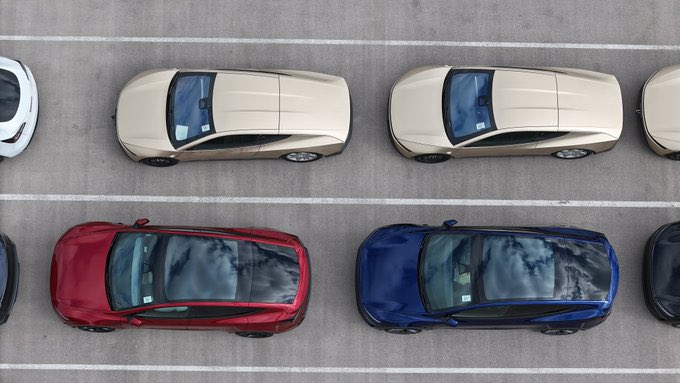
A new spy shot has sent a jolt through the Tesla community, offering the clearest real-world comparison yet between the company's present and its autonomous future. Photographed parked casually next to a ubiquitous Tesla Model Y, the heavily camouflaged Cybercab prototype reveals a vehicle that is notably more compact, hinting at a radically different design philosophy tailored for dense, urban mobility rather than private ownership.
A Study in Contrasts: Purpose-Built vs. Versatile
The side-by-side image is a study in contrasts. The Model Y, the world's best-selling vehicle for three consecutive years, is a masterclass in versatile family transportation. The Cybercab, however, appears significantly shorter and more upright, with a taller roof and a truncated rear end. This compact footprint is a direct result of its core mission: efficient, high-utilization ridesharing in city environments where parking is scarce and maneuverability is key. It lacks traditional driver controls, a fact confirmed by Tesla's design unveiling, which maximizes interior space for passengers within a smaller external shell.
The Model Y's Legacy and the Cybercab's Disruptive Potential
The Model Y's dominance is built on a powerful formula: long range, practical cargo space, and appeal to a broad consumer base. The Cybercab's potential to surpass it, as Elon Musk has suggested, rests on a completely different economic proposition. Its anticipated accessible price point lowers the barrier to entry, while its integration with the planned Tesla Robotaxi network promises owners a source of passive income. This transforms the vehicle from a depreciating asset into a potential revenue generator, a paradigm shift that could drive volume at a scale even the Model Y cannot match, provided full self-driving technology reaches regulatory approval.
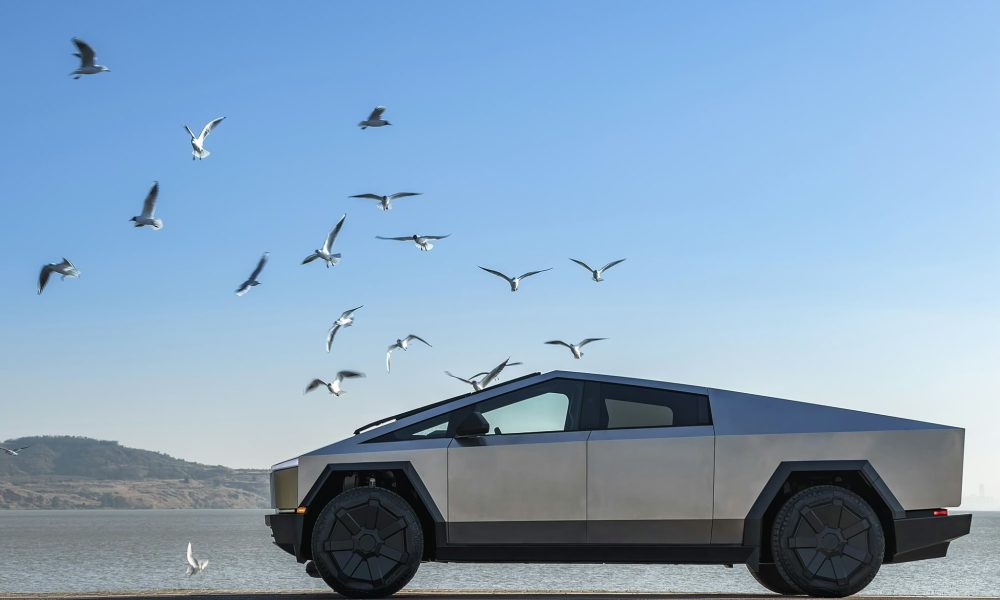
This visual comparison underscores Tesla's strategic bifurcation. The Model Y, Cybertruck, and updated "Unboxed" platform vehicles cater to the personal EV market. The Cybercab represents the vanguard of a parallel, and potentially larger, mobility-as-a-service business. Its success is inextricably linked to the performance and regulatory acceptance of Tesla's Full Self-Driving (FSD) system. The smaller size isn't a compromise; it's an optimization for a world where the vehicle is almost constantly in motion, carrying passengers instead of sitting parked.
Implications for the Tesla Ecosystem
For Tesla owners and investors, the Cybercab's development is a double-edged signal. It represents the company's most ambitious and risky bet, with monumental rewards if autonomy is solved. A successful, scaled Robotaxi network would create a high-margin, recurring revenue stream that dwarfs traditional auto sales. For prospective buyers, it introduces a new calculus: purchase a personal Model Y today, or potentially wait for a cheaper Cybercab that could earn its keep tomorrow. The road ahead is fraught with technical and regulatory challenges, but this simple parking lot snapshot makes one thing clear: Tesla is building for two very different futures simultaneously.