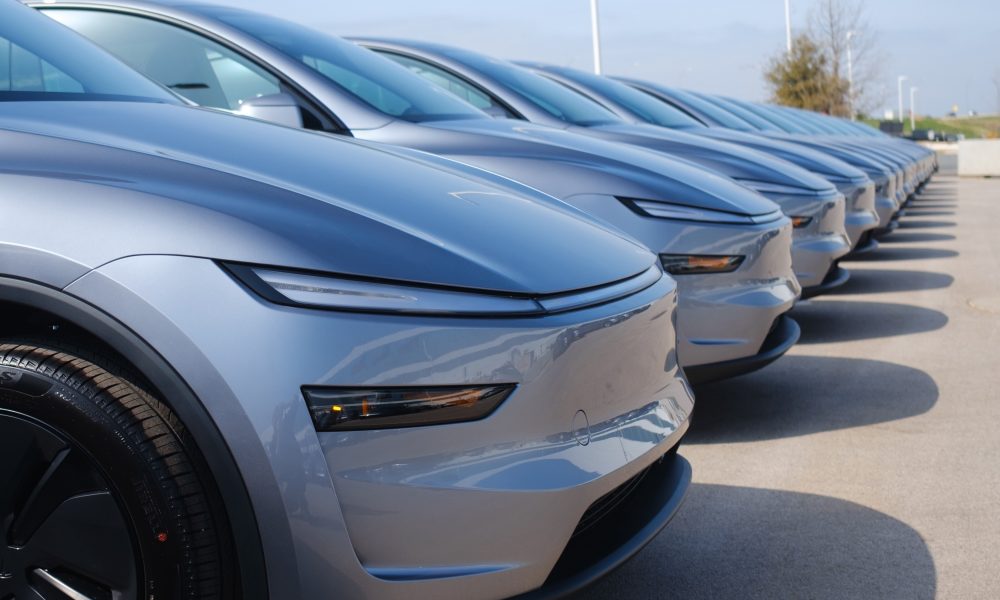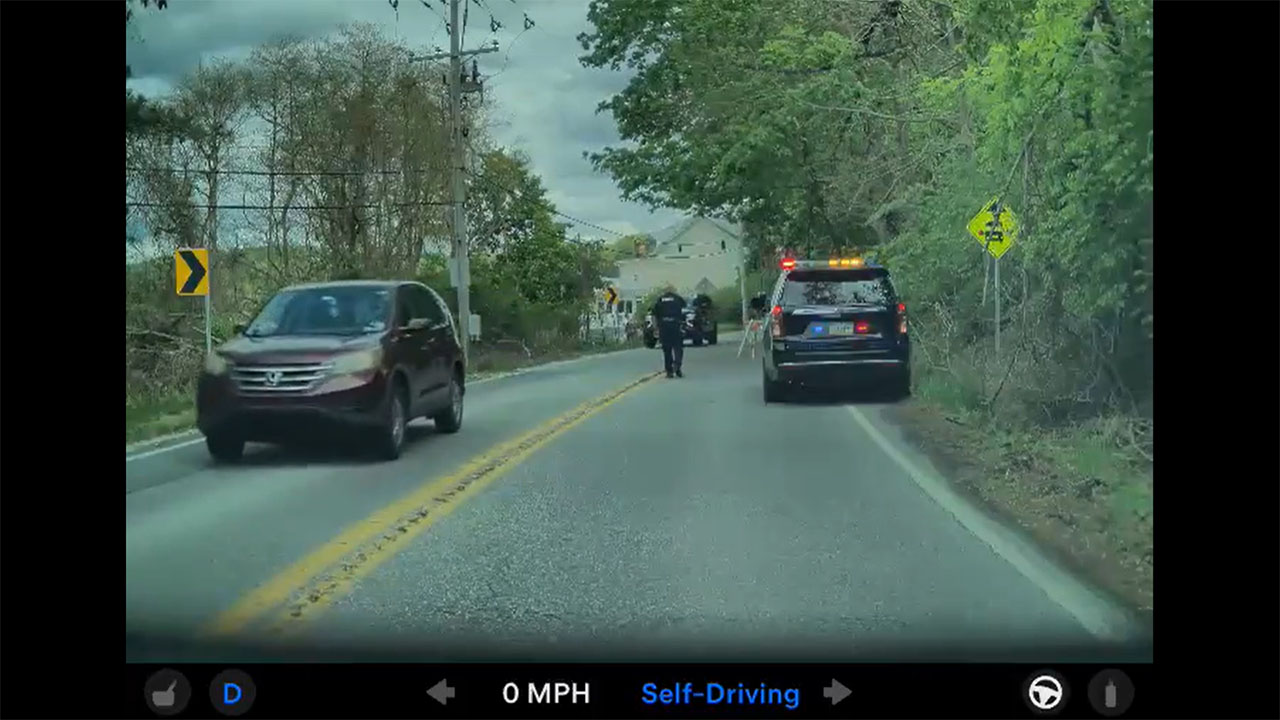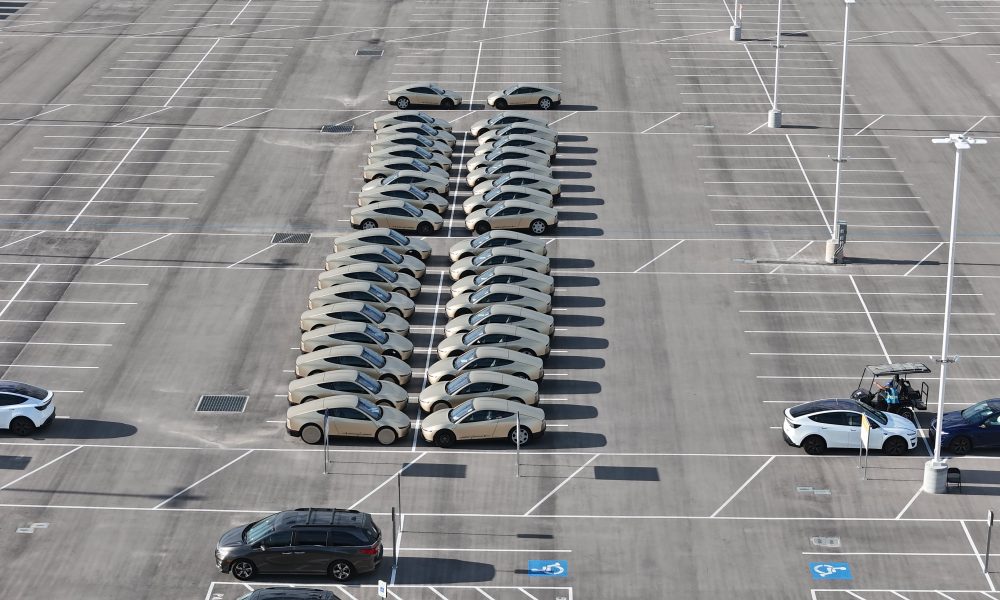
A fleet of future-facing vehicles has emerged from the shadows of Giga Texas, signaling a pivotal shift from concept to concrete reality. Over 60 units of the highly anticipated Tesla Cybercab have been spotted on-site, marking the most tangible evidence yet that Tesla's autonomous ride-hailing vision is accelerating into production. This sighting isn't just a collection of prototypes; it's the ignition of a manufacturing process poised to redefine urban mobility.
From Render to Reality: The Cybercab Fleet Takes Shape
The vehicles, captured in aerial imagery, showcase the distinctive, angular design first unveiled by Elon Musk. More importantly, they confirm the initial production phase is underway. These early units are understood to be equipped with temporary manual controls, a critical step that allows Tesla engineers to rigorously test and refine both hardware and the core Full Self-Driving (FSD) software in controlled environments. This iterative validation process is essential for ensuring system robustness before deploying a driverless fleet on public roads.
The Core Mission: Unsupervised Autonomy and Affordable Mobility
The Tesla Cybercab is engineered for a single, revolutionary purpose: to provide safe, affordable, on-demand mobility without a human driver. By removing the largest operational cost—the driver—Tesla aims to offer rides at a price point competitive with, or even below, subsidized public transport. This business model hinges entirely on the performance and regulatory approval of its unsupervised FSD system. The vehicle itself is designed as a dedicated platform, optimized for maximum durability, passenger efficiency, and seamless integration with the Tesla ride-hailing network envisioned within the Tesla app.
This aggressive move into dedicated autonomous vehicle (AV) production places Tesla on a distinct path compared to rivals relying on retrofitted consumer EVs. The Cybercab's purpose-built nature suggests Tesla is betting on a high-utilization, robotic taxi model from the ground up. The scale of this early batch—60 units—indicates a focus on fleet testing and operational learning, a necessary precursor to any mass rollout.
For Tesla owners and investors, the visible ramp of Cybercab production is a multi-layered signal. It demonstrates serious capital and operational commitment to the Robotaxi segment, a potential multi-trillion dollar market. Successful deployment would unlock enormous new revenue streams far beyond vehicle sales. However, it also underscores that Tesla's financial and technological fortunes are increasingly tied to solving the immense challenge of Level 4/5 autonomy. The journey from these controlled test vehicles to a profitable, scaled, and legally approved public service remains complex, but the starting line is now clearly in view at Giga Texas.