As Tesla barrels toward its long-promised future of autonomous mobility, the spotlight is firmly on the design and function of its upcoming robotaxi, the Cybercab. While concepts often focus on sweeping visions of driverless navigation and sleek exteriors, it is frequently the smallest, most human-centric features that determine real-world success. A newly revealed detail about the vehicle's passenger compartment, seemingly minor on the surface, offers a profound glimpse into Tesla's strategy for dominating the ride-sharing market and ensuring user adoption.
The Feature: A Passenger-Centric Control Hub
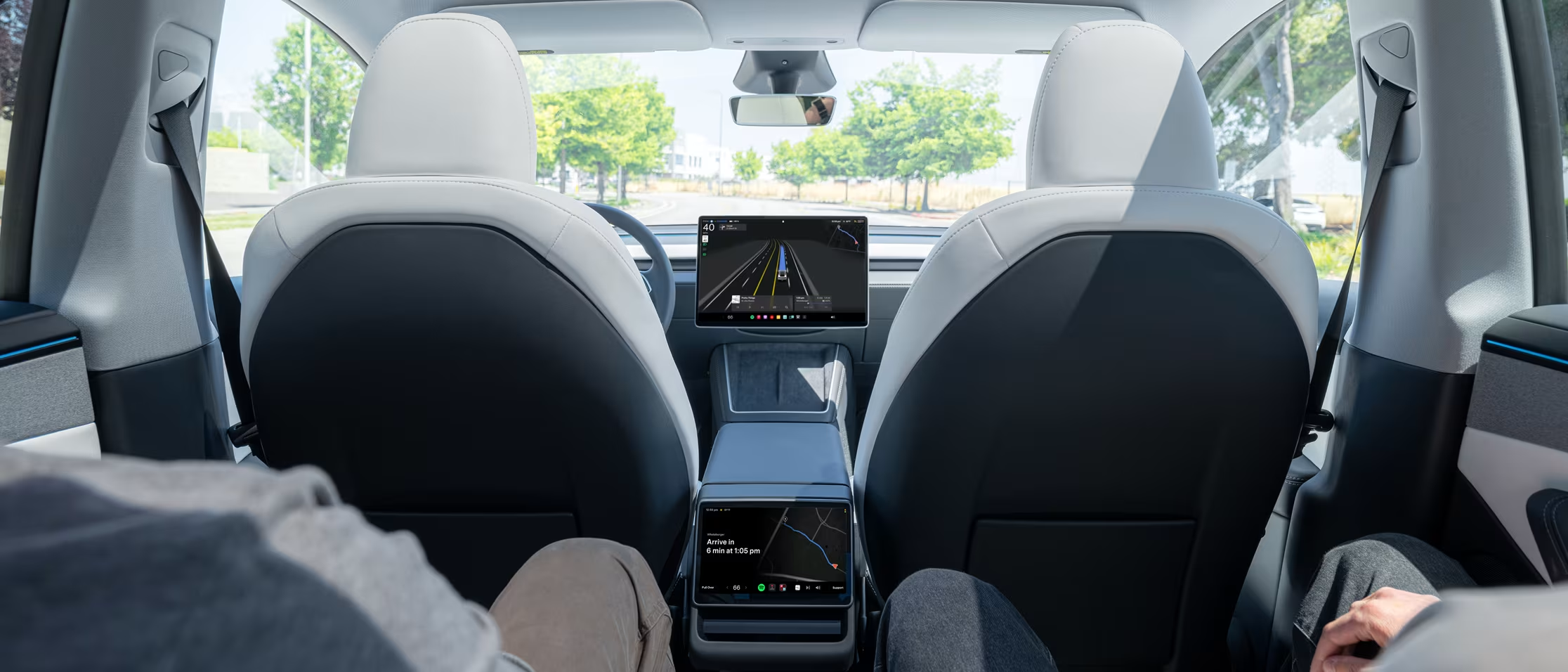
Beyond the expected touchscreen for route and entertainment, insider reports and leaked design cues suggest the Cybercab will incorporate a dedicated, intuitive passenger control panel. This isn't merely a clone of the Model 3's infotainment system. Instead, it is a streamlined interface allowing riders to adjust climate zones, modify ambient lighting, control media playback, and confirm trip details with minimal taps. Most significantly, it is expected to feature prominent, one-touch buttons for emergency assistance and direct communication with Tesla's remote support center, addressing safety concerns head-on before a single fare is collected.
Why This "Small" Detail is Strategically Massive
This focus on in-cabin user experience is a critical pivot. Tesla's entire Full Self-Driving (FSD) suite has been engineered to eliminate the driver. The logical next step is to manage the passenger's comfort and sense of control. In a traditional taxi or rideshare, human interaction provides a layer of perceived security and adaptability. The Cybercab must replicate this trust through technology. By giving passengers direct, simple authority over their environment and an unambiguous safety lifeline, Tesla is proactively dismantling psychological barriers to entering a vehicle with no steering wheel. This feature transforms the cabin from a passive pod into an interactive, user-commanded space, making the autonomy feel less alien and more like a premium service.
The implications for Tesla's business model are substantial. A seamless, comfortable, and secure rider experience directly translates to higher utilization rates and brand loyalty within the Tesla network. If riders prefer the consistent, configurable environment of a Cybercab over a conventional rideshare with variable driver and vehicle quality, Tesla gains a powerful competitive edge. This small panel, therefore, isn't just about convenience; it's a core component of customer retention and network growth, turning one-time curious users into regular patrons of the Tesla autonomous ecosystem.
For Tesla owners and investors, this underscores a crucial evolution in the company's priorities. It signals a maturation from solely perfecting the driving software to holistically engineering the mobility service. The success of the robotaxi venture hinges as much on consumer comfort as on technical achievement. A refined passenger experience supports premium pricing, maximizes fleet efficiency, and strengthens the overall value proposition of the Tesla network. As the anticipated August 8th unveil event approaches, watch for how such human-focused features are highlighted—they are the subtle keys that will unlock widespread adoption and drive the financial upside of Elon Musk's ambitious vision for autonomous transportation.