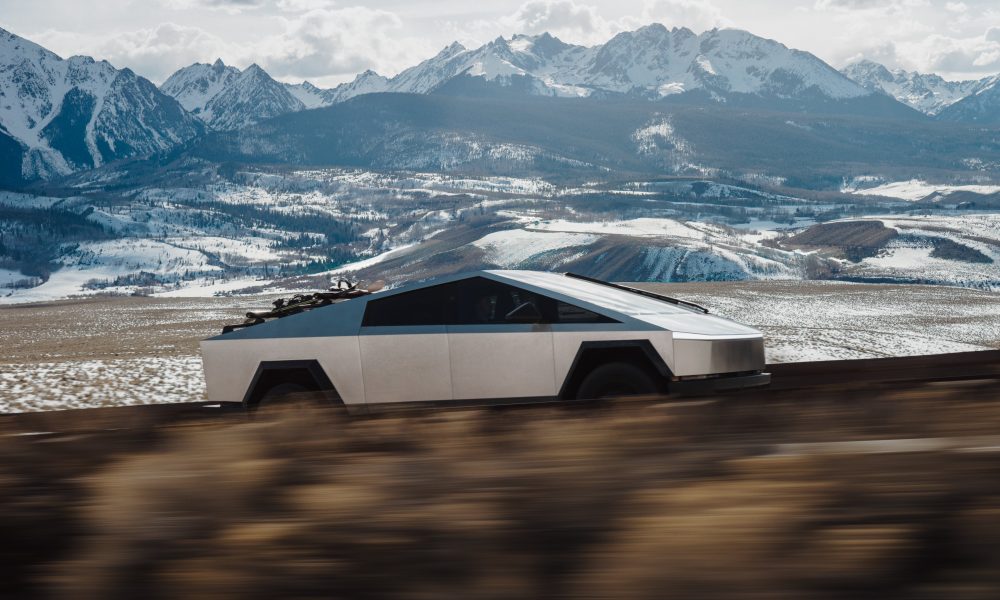
In a bold strategic pivot, Tesla has dramatically repositioned its flagship pickup, slashing the price of the tri-motor Cybertruck Cyberbeast to $99,990. This move brings the halo model under the psychologically significant six-figure barrier but comes with a notable trade-off: the previously bundled Foundation Series package, which included the premium Luxe interior and a transferable Full Self-Driving (FSD) capability, is no longer included. This recalibration arrives as the electric pickup segment grows increasingly crowded with luxury-priced competitors, forcing Tesla to balance aggressive pricing against feature exclusivity.
A Strategic Price Cut in a Crowded Arena
The price adjustment is a direct shot across the bow of rivals like the Rivian R1T, GMC Hummer EV, and Ford F-150 Lightning Platinum, all of which frequently exceed $100,000. By anchoring the Cyberbeast at $99,990, Tesla creates a powerful headline that positions its highest-performance offering as a relative value in the premium EV truck segment. However, the removed Foundation Series bundle, previously adding roughly $20,000 to the cost, means customers must now pay extra for FSD and the upgraded interior. This effectively allows buyers to choose between a lower entry price or a fully-loaded experience, segmenting the market for the still supply-constrained vehicle.
Decoupling FSD: A New Financial Calculus
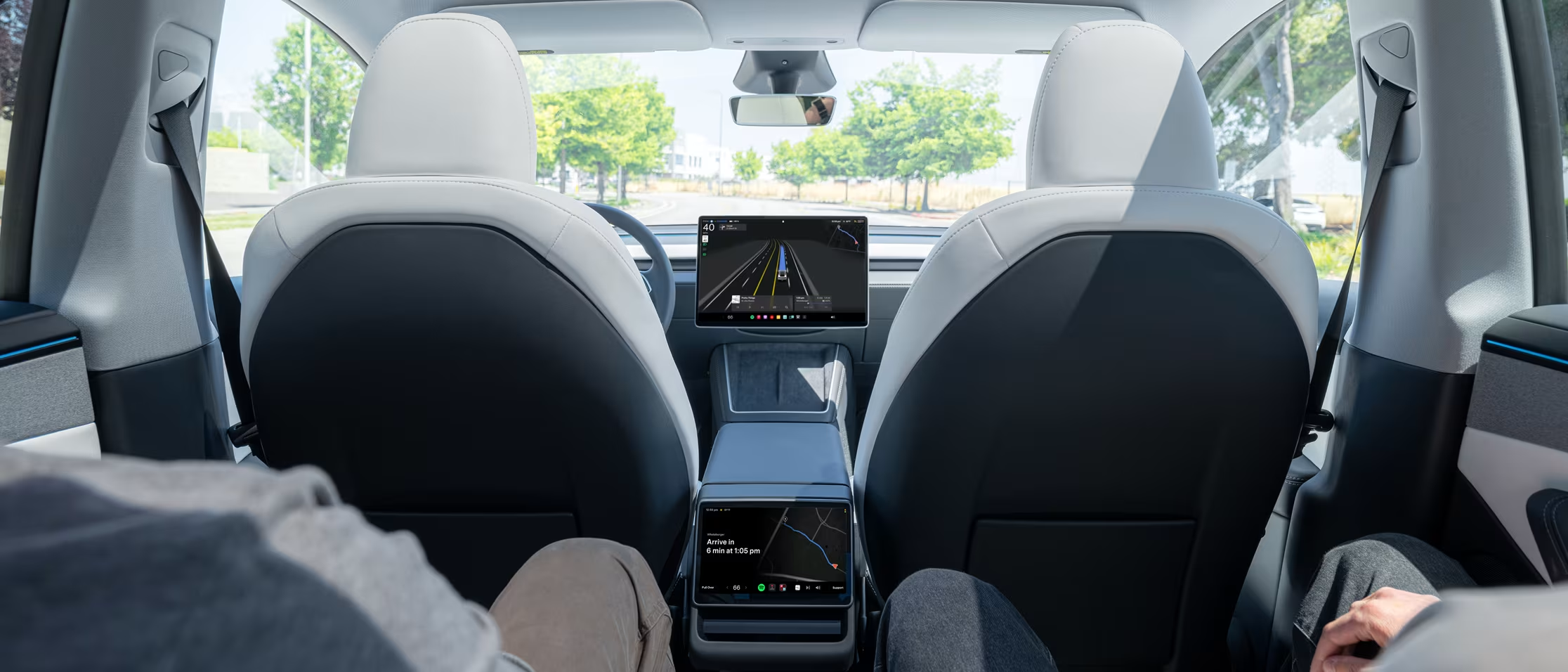
The unbundling of Full Self-Driving from the Cyberbeast is particularly significant. Tesla has long used FSD as a high-margin software upsell, and its removal from the standard package clarifies the vehicle's new base price while preserving a crucial revenue stream. Prospective owners must now add $12,000 for FSD capability post-delivery or subscribe monthly. This shift indicates Tesla's confidence in FSD's standalone value proposition and its desire to present a cleaner, more competitive starting MSRP. The Luxe package, featuring premium audio, premium seating, and other comfort amenities, also becomes a separate consideration, allowing for greater configuration flexibility.
For Tesla, this move serves multiple objectives. It stimulates demand by hitting a key price point, responds to competitive pressure, and potentially improves production ramp optics by showcasing a more "accessible" flagship. The strategy also protects the company's industry-leading margins by converting what was a bundled premium into à la carte, high-profit options. The Cybertruck's avant-garde design and performance specs remain its core selling points; this pricing evolution ensures those headlines aren't solely about a prohibitive cost.
Implications for Owners and Investors
For potential Cyberbeast customers, the new pricing structure offers a clearer, albeit more complex, decision matrix. The sub-$100k price tag is a compelling lure, but the true cost of a comparably equipped vehicle to the original Foundation Series will be higher once options are selected. Early Foundation Series reservation holders retain the value of their bundled FSD, which remains a transferable asset. For investors, this demonstrates Tesla's agile, data-driven approach to pricing and packaging—a willingness to adapt quickly to market realities. The focus on separating high-cost software from hardware aligns with the long-term vision of Tesla as a software and AI company, even if it creates a more nuanced pricing story in the short term. The ultimate success of this repositioning will be measured in sustained order growth and its impact on the competitive dynamics of the entire EV pickup market.