In a decisive move to protect its most valuable software asset, Tesla has begun a remote enforcement campaign against vehicles using illicit hardware to unlock its Full Self-Driving (FSD) capabilities. The company is leveraging its direct, over-the-air connection to affected cars to permanently disable the premium driver-assistance suite, targeting a burgeoning global gray market that has flourished in regions where regulatory approval for FSD remains pending.
The Silent Enforcement: Waking Cars to Disable Features
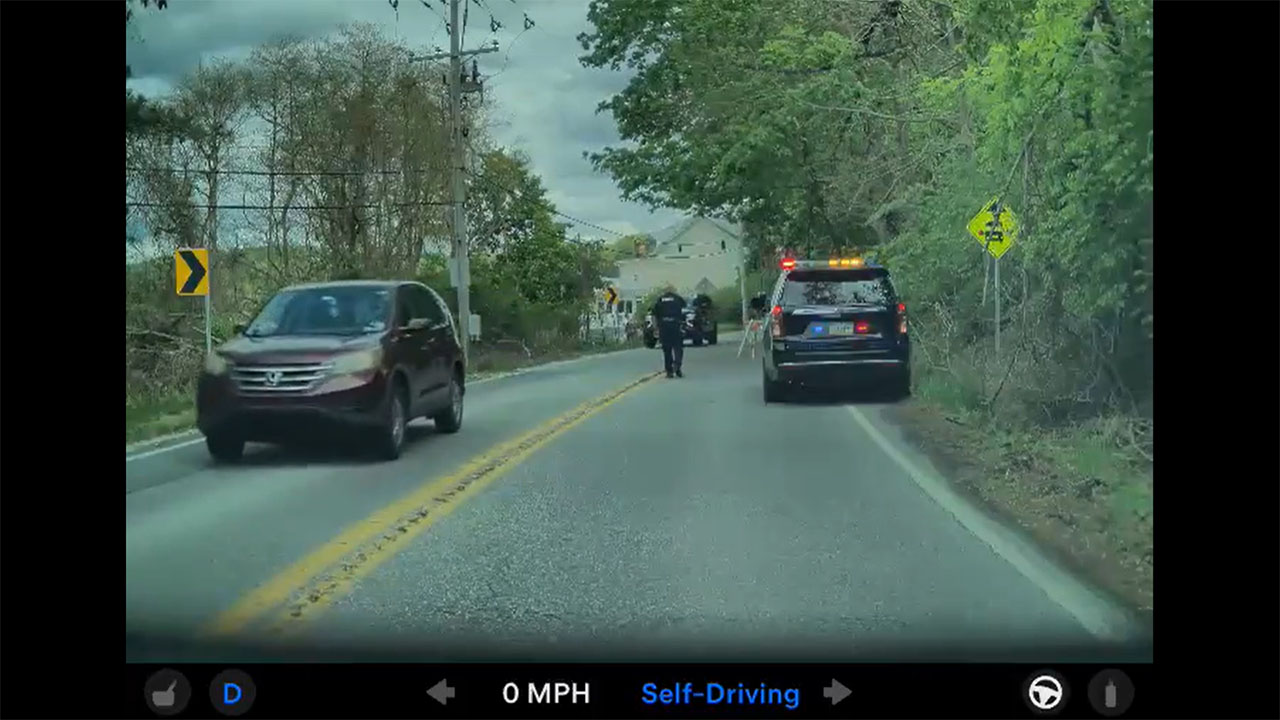
Owners from Europe to South Korea, China, and Turkey have reported a startling sequence of events. Their vehicles were remotely accessed by Tesla, which then scanned the car's internal network. Upon detecting unauthorized devices connected to the Controller Area Network (CAN bus)—the vehicle's nervous system—the system executed a digital kill switch. The FSD software, including advanced features like Navigate on Autopilot and automatic lane changes, was completely stripped from the car, reverting it to the standard, included Basic Autopilot. This action was taken without prior warning, leaving owners who paid thousands for the hardware dongles with a non-functional upgrade and a stark message on their touchscreen.
Protecting the Product and the Platform
This crackdown is not merely about lost revenue, though that is a significant factor. Tesla's stance is a multifaceted defense of its ecosystem. First, it protects the integrity of FSD as a carefully developed and regionally calibrated system; using unofficial versions in unsupported areas creates unpredictable safety and liability risks. Second, it reinforces Tesla's software-as-a-service model, where features are tied to the vehicle's identity and owner's account, not just hardware. Finally, it is a direct shot across the bow of third-party tuners, asserting Tesla's ultimate control over its fleet's software stack. The message is clear: tampering with core systems will result in a permanent revocation of access.
For Tesla owners and investors, this episode underscores critical realities of the modern electric vehicle landscape. It highlights the immense value and protectability of software, which can generate recurring revenue and enforce compliance long after a car leaves the factory. For owners, it's a cautionary tale about the risks of aftermarket modifications that interfere with proprietary systems; the convenience of a connected car is a double-edged sword. For investors, it demonstrates Tesla's aggressive capability to defend its intellectual property and revenue streams, a positive sign for the sustainability of its high-margin software business. However, it also points to the persistent global demand for FSD, underscoring the pressure on Tesla to accelerate regulatory approvals and official rollouts worldwide to channel this demand into legitimate sales.