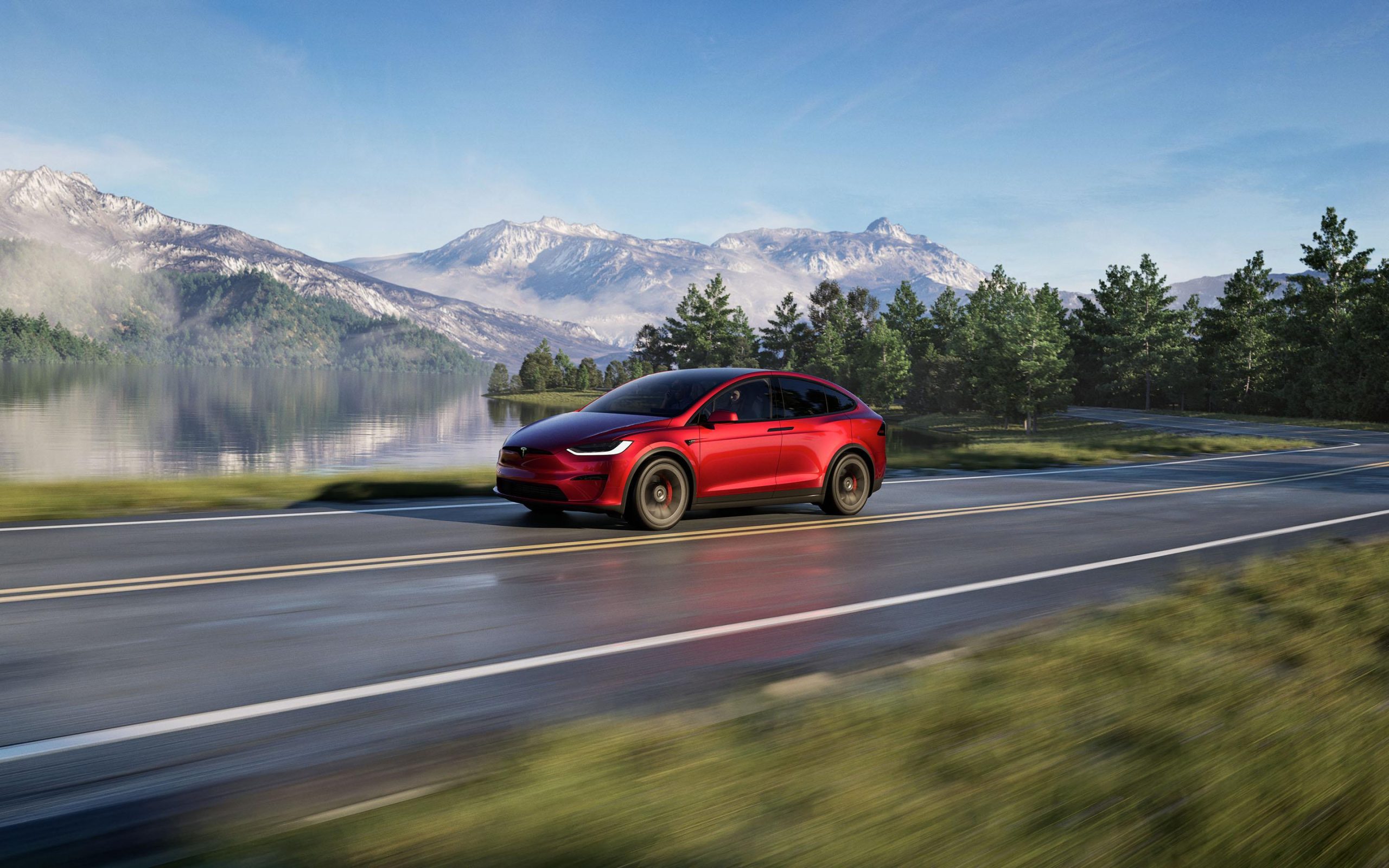
In a move that marks the definitive end of an era, Tesla CEO Elon Musk has confirmed the company has ceased production of its flagship Model S sedan and Model X SUV. The announcement, made on Musk's social media platform X, signals the final chapter for the vehicles that defined Tesla's rise from a niche automaker to a global EV powerhouse. With custom orders now closed, the company's global inventory has dwindled to approximately 600 vehicles, representing the last chance for buyers to acquire a new Model S or X directly from Tesla.
The End of a Defining Era
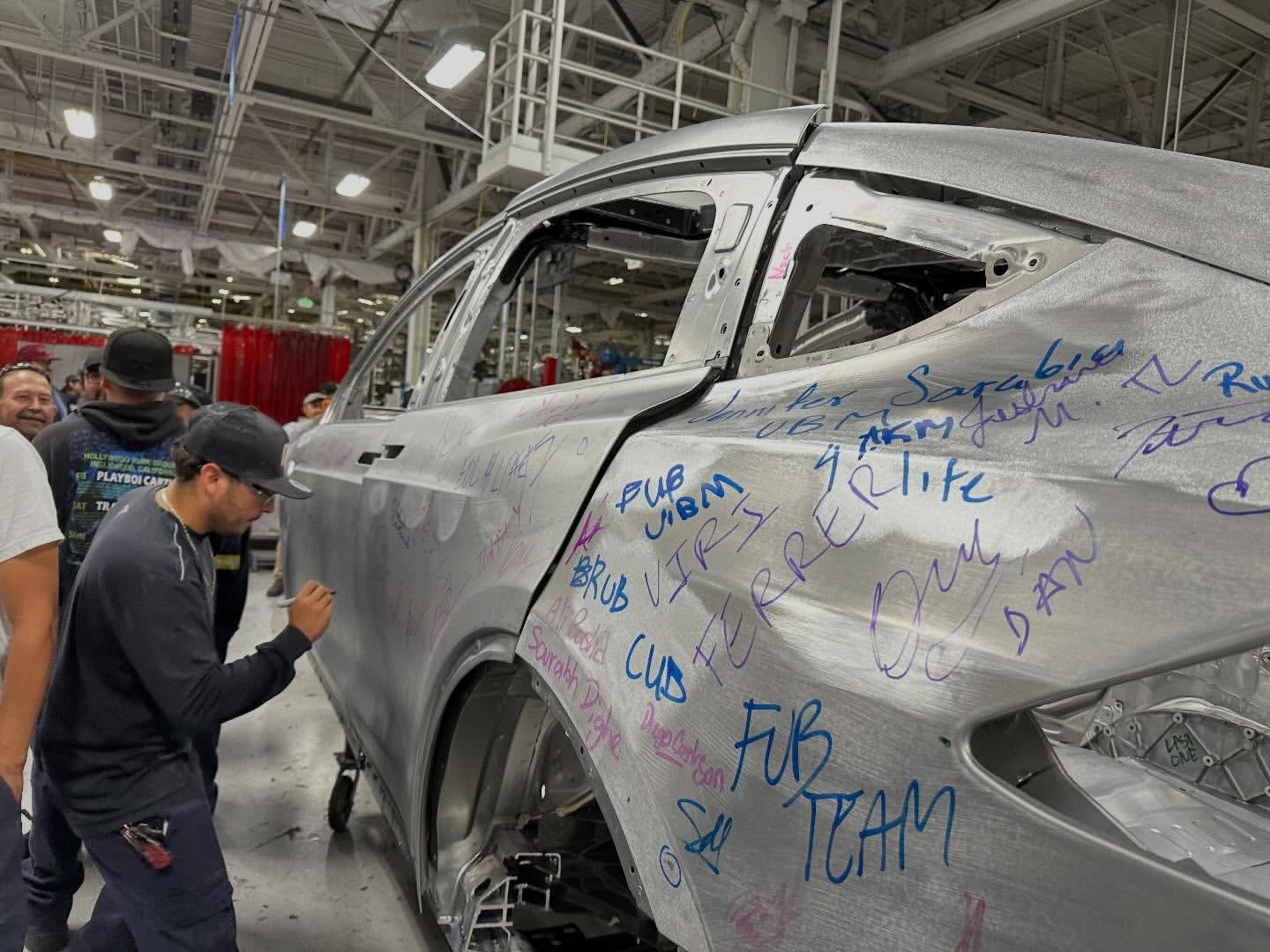
Musk's post was accompanied by a nostalgic photo from the original Model S production launch at the Fremont factory in June 2012. "Custom orders of the Tesla Model S & X have come to an end. All that’s left are some in inventory," he wrote. "We will have an official ceremony to mark the ending of an era. I love those cars." This sentiment underscores the monumental role these models played. The Model S, with its groundbreaking range and performance, shattered preconceptions about electric vehicles, while the Model X's falcon-wing doors became an iconic symbol of automotive innovation. Their discontinuation follows years of declining sales volumes as Tesla's focus and consumer demand shifted overwhelmingly toward the more affordable Model 3 and Model Y.
Strategic Pivot to High-Volume Manufacturing
The phasing out of the Model S and X is not a surprise but a calculated strategic decision. These luxury vehicles, while technologically advanced, have long represented a tiny fraction of Tesla's total deliveries. In the last quarter, they accounted for less than 3% of the company's global output. Tesla's future growth is inextricably linked to the mass-market segment, with its immediate roadmap dominated by the global expansion of the Model Y, the development of the next-generation $25,000 compact car, and the Cybertruck ramp-up. Freeing up engineering resources and production line capacity in Fremont for these higher-volume projects is a logical step in Tesla's evolution from a luxury brand to a mainstream automotive manufacturer.
For Tesla owners and investors, this milestone carries significant implications. Current Model S and X owners now possess what will become legacy vehicles, potentially affecting long-term resale value and the evolution of over-the-air software support. Investors will watch closely to see how the margin profile of the company changes as the lower-margin, higher-volume models completely dominate sales. The key question is whether the immense profitability of the Model 3 and Y can continue to scale sufficiently to offset the loss of the high-margin flagship models and fund the expensive launches of new products like the Cybertruck and future platforms.