In the high-stakes race to perfect autonomous driving, Tesla has long positioned its Full Self-Driving (FSD) software not just as a consumer feature but as a potential industry-wide product. Yet, in a revealing social media post, a Tesla executive has confirmed a stark reality: despite its technological lead, the company's most advanced system is finding no takers among rival automakers. This admission underscores a deep-seated hesitation in the automotive sector and highlights the unique path Tesla has carved in the EV landscape.
The Confirmation from Within
Tesla's Director of Product Management, Sendil Palani, took to the social media platform X to set the record straight. Responding to speculation about potential licensing deals, Palani confirmed that Full Self-Driving, which he described as "the most robust driver assistance program in the United States," still isn't garnering interest from competitors. This public statement aligns with past, more veiled comments from CEO Elon Musk, who has previously hinted at discussions with other carmakers that ultimately went nowhere. The directness of this latest acknowledgment suggests a strategic shift, moving from hopeful partnership pitches to a focus on solo execution and consumer rollout.
A Chasm in Strategy and Capability
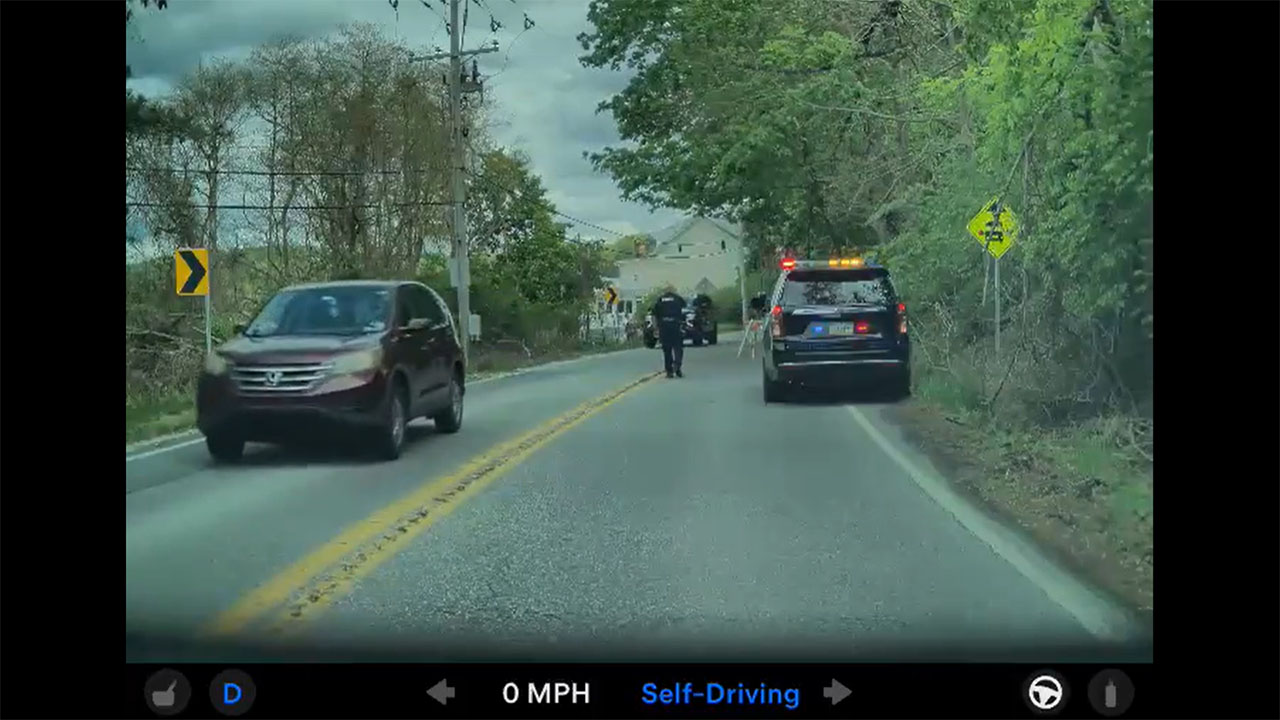
The reluctance from competitors is a tale of two diverging philosophies. Tesla's approach is built on a vision-only, end-to-end neural network that continuously learns from millions of miles of real-world data gathered from its global fleet. Most legacy automakers, however, rely on or are developing systems that incorporate more sensors like lidar and radar, creating a fundamentally different—and likely incompatible—technological stack. Licensing FSD would require a competitor to not only adopt Tesla's camera-centric hardware but also to cede control over a core future technology, a prospect many find unpalatable. Furthermore, the regulatory and liability landscape surrounding advanced driver-assistance systems remains a minefield, making a wait-and-see approach safer for companies with less at stake in pure software development.
For Tesla owners, this news reinforces the value proposition of their vehicles' evolving capability. The lack of external licensing deals means Tesla's resources remain intensely focused on refining and expanding FSD for its own customer base, likely accelerating updates and the push toward wider release. The continued investment in this proprietary tech also solidifies the software's role as a key driver of Tesla's industry-leading margins and a potential long-term recurring revenue stream through subscriptions.
For investors, Palani's statement is a double-edged sword. It confirms Tesla's formidable and potentially widening moat in artificial intelligence and real-world machine learning, assets that are incredibly difficult to replicate. However, it also closes the door, for now, on a lucrative high-margin revenue stream from licensing that the market had periodically speculated about. The financial onus remains on Tesla to successfully monetize FSD directly through its own sales and subscriptions, making the system's adoption rate and eventual regulatory approval for true autonomy more critical than ever to the company's valuation narrative.