Tesla's incremental march toward autonomous driving has taken a deliberate, and perhaps more significant, turn. While the company has begun the phased rollout of its FSD (Supervised) v14.3 software to early access testers, a far more substantial architectural leap is now officially slated for the next major version. Tesla has confirmed that the long-anticipated "10× model"—a fundamental overhaul of its AI system—will debut in FSD v15, marking a pivotal moment in the evolution of its driver-assistance technology.
The v14.3 Foundation and the v15 Promise
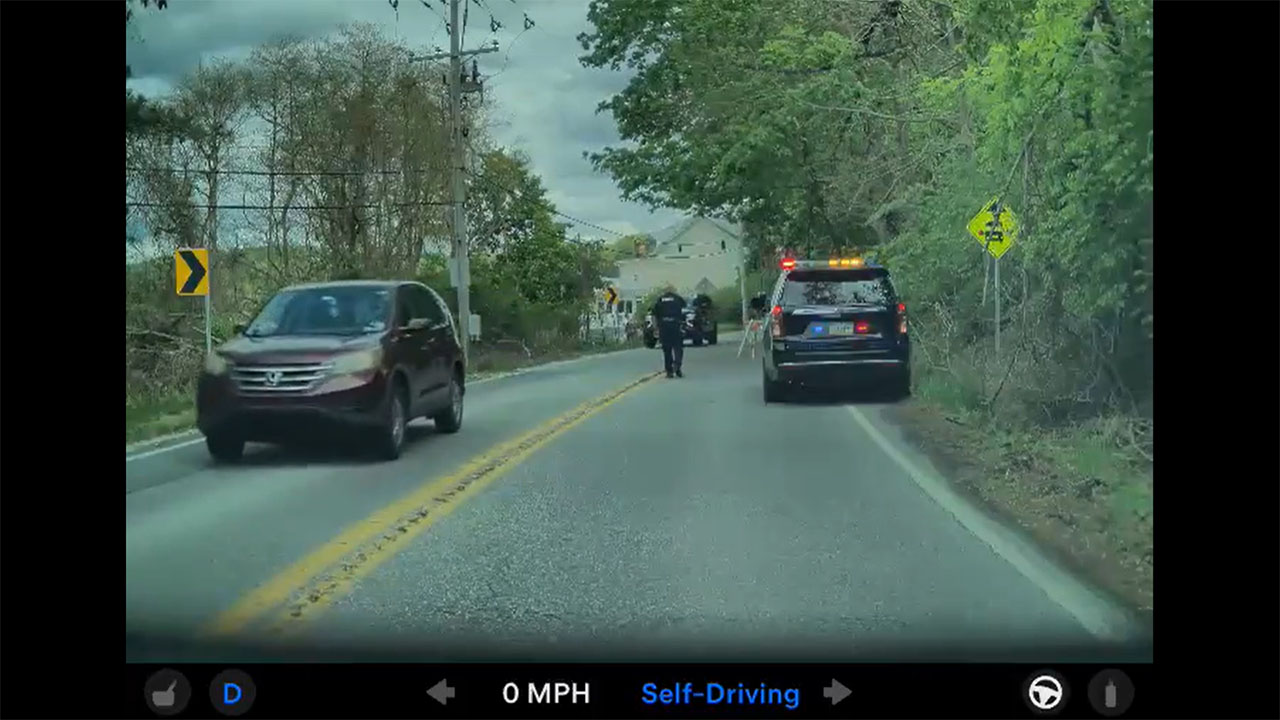
The current v14.3 update focuses on refining the existing neural network stack, addressing edge cases, and improving smoothness based on the vast data collected from the fleet. This is a critical process that polishes the system's real-world performance. However, the shift to the 10× model in v15 represents a change in scale and capability. The term "10×" refers to a tenfold increase in the volume of training data used to teach the AI, or a fundamental improvement in the model's architecture that yields a dramatic leap in performance. This isn't a mere update; it's a planned generational shift intended to drastically reduce the frequency of human interventions and handle complex driving scenarios with greater confidence and nuance.
Architectural Shift and the Path to Autonomy
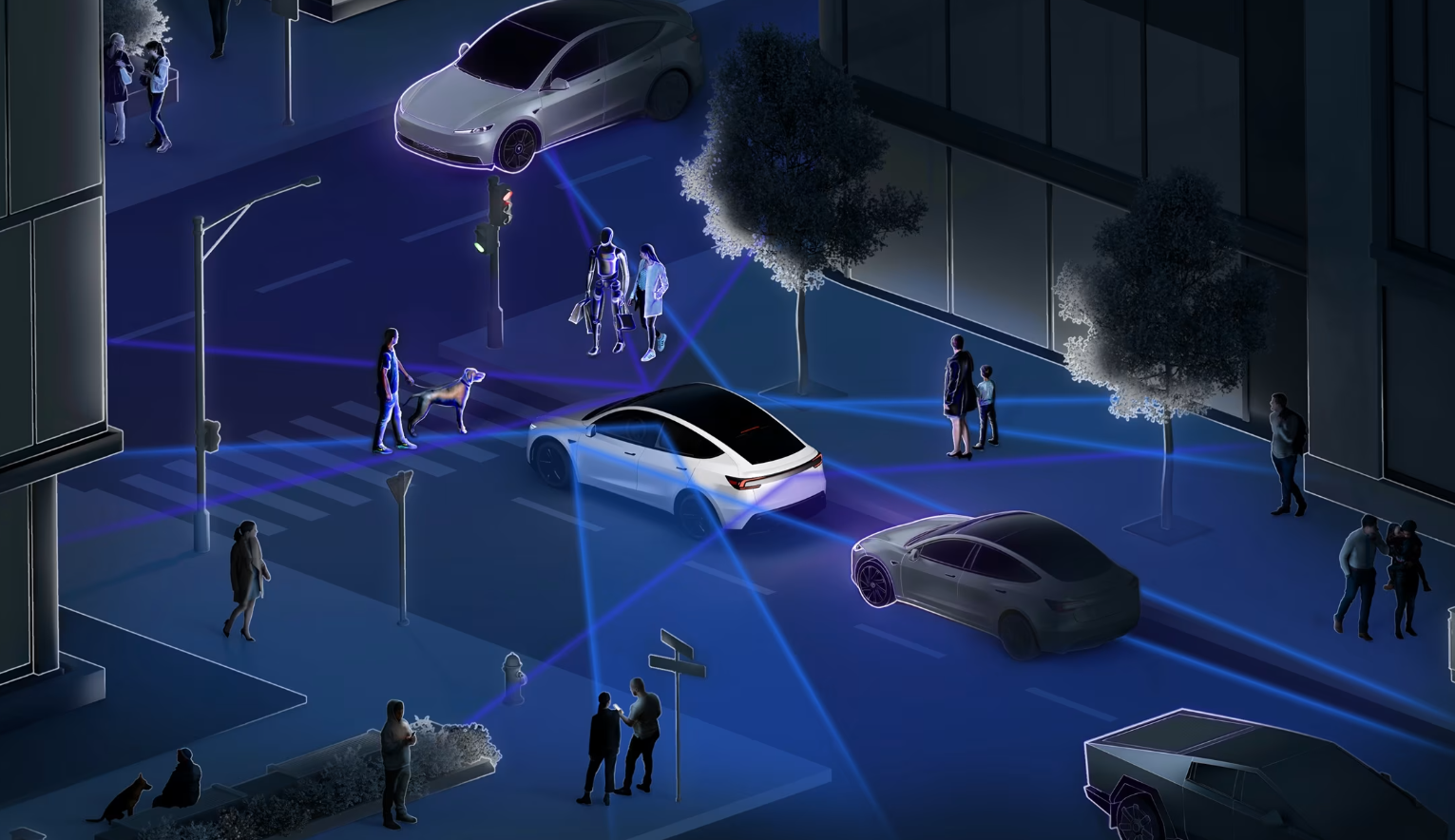
This move underscores Tesla's unique, data-driven strategy for achieving full self-driving. By deploying v14.3 widely, Tesla continues to gather the billions of real-world video frames necessary to train the more advanced model. The 10× model in v15 is expected to leverage this unprecedented dataset to move closer to a unified, end-to-end AI system. In such a system, raw sensor input is processed directly into steering, braking, and acceleration commands, minimizing reliance on hand-coded rules. The delay of this core model to v15 suggests Tesla is prioritizing a stable, iterative release now to ensure the revolutionary update has a solid foundation and is thoroughly validated.
For Tesla owners and FSD subscribers, this roadmap clarifies the near-term journey. The v14.x series will likely deliver gradual, noticeable improvements to the daily driving experience. The arrival of v15, however, is positioned as the update that could fundamentally change the capability ceiling of the system. Investors should view this staged approach as Tesla balancing its aggressive AI ambitions with operational prudence—deploying incremental gains today while building the infrastructure for a disruptive leap tomorrow. The success of the 10× model will be the key metric for assessing Tesla's technical lead in the EV autonomy race and the tangible progress toward its robotaxi ambitions.