The first quarter of 2026 has delivered a sobering reality check for the U.S. electric vehicle industry, with overall sales declining for the first time in years. Amid this unexpected downturn, however, one automaker's grip on the market has only tightened. New data reveals that while the broader EV tide receded, Tesla not only held its ground but significantly increased its dominance, capturing a staggering 54% of all battery-electric vehicles sold in the United States.
A Shrinking Pie, A Larger Slice
The total U.S. EV market saw a notable contraction in Q1 2026, with sales dropping by an estimated 12% compared to the same period last year. Analysts point to a confluence of factors: persistent high-interest rates dampening major purchases, a temporary saturation of early-adopter demand, and intensified competition from increasingly compelling hybrid offerings. This cooling period represents a pivotal moment of maturation for the sector, shifting from hype-driven growth to a more challenging battle for every customer. Yet, within this tougher landscape, Tesla's performance was remarkably resilient, with its sales declining far less than the market average, allowing its market share to surge from approximately 48% a year ago to its current commanding position.
Execution Amidst Uncertainty
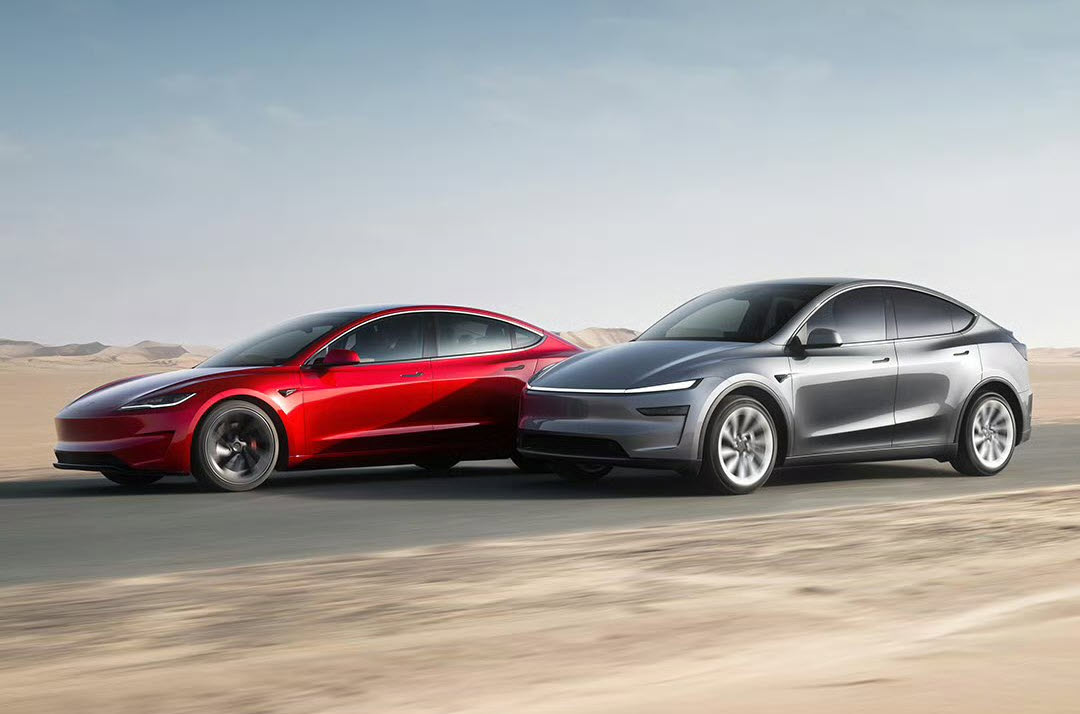
Tesla's ability to consolidate power in a weak market underscores its fundamental advantages. While legacy automakers have scaled back or delayed their EV investments in response to the demand slowdown, Tesla's integrated model—controlling its own manufacturing, battery supply, and direct sales network—provided crucial flexibility. The company's continuous cost reductions, particularly in battery production, allowed it to maintain aggressive pricing and attractive financing options that competitors struggled to match. Furthermore, the full rollout of its updated Model 3 "Highland" and the sustained popularity of the Model Y, now often dubbed the "default EV choice" for American families, provided a product lineup perfectly attuned to the value-conscious mood of 2026.
The implications of this 54% share are profound. It demonstrates that Tesla is no longer just a leader in a booming market; it is proving to be the most durable player in a volatile one. This quarter separates the companies merely participating in the EV transition from those built to survive its inevitable cycles. Tesla's vertical integration and software-centric revenue streams, like its growing Full Self-Driving (FSD) subscription base, create a financial buffer that pure-play EV startups and slower-moving incumbents lack.
For Tesla owners and investors, this data is a powerful signal of brand strength and long-term viability. A dominant market share in a downturn reinforces the company's supercharger network as the de facto standard, bolsters residual values, and ensures continued software support and development. For investors, it validates the thesis that Tesla's operational efficiency is its ultimate moat. However, the broader market decline also serves as a caution that Tesla is not immune to macroeconomic headwinds, and its future growth is now inextricably linked to its ability to expand the total EV market with its next-generation platform and more affordable models promised for the coming years.