As Tesla's global rollout of its Full Self-Driving (FSD) software enters a critical new phase, a key hiring move in China signals the company is methodically preparing the ground for its most advanced driver-assistance system in its second-largest market. The discovery of a new job listing for an Autopilot Test Engineer based at the company's Shanghai epicenter underscores that behind-the-scenes technical and regulatory work is accelerating, moving beyond mere speculation to concrete operational readiness.
Strategic Hiring at the Heart of Tesla's Manufacturing Hub
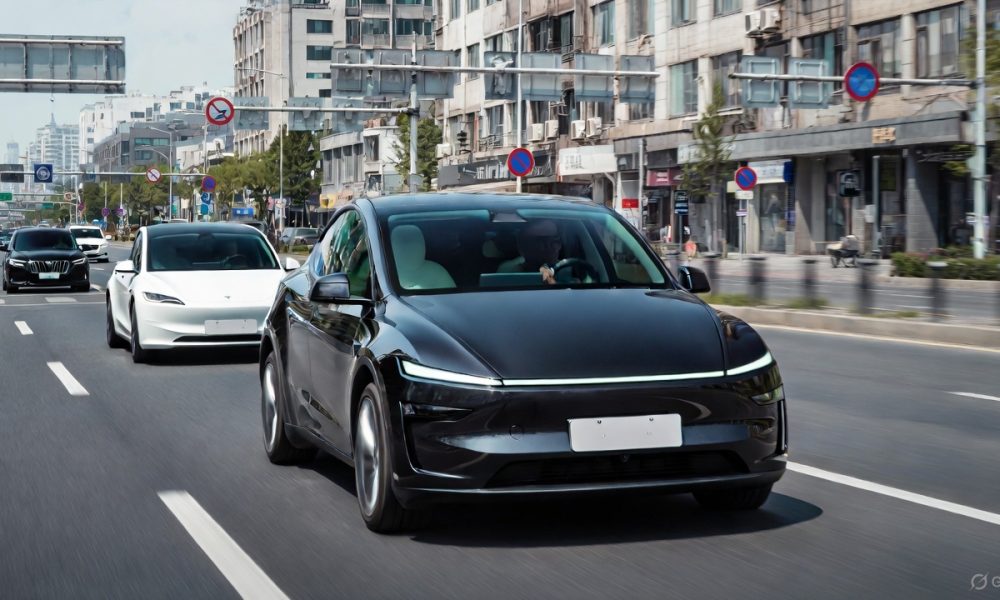
The newly advertised position is strategically located in Lingang, the district that houses the colossal Gigafactory Shanghai. This is not a corporate role based in a Beijing skyscraper, but a boots-on-the-ground engineering position at the very site where nearly half of Tesla's global vehicles are produced. Placing this technical talent within the factory ecosystem allows for seamless integration between the development, validation, and manufacturing processes. It suggests Tesla is building a localized testing and validation pipeline, crucial for adapting FSD's complex neural networks to China's unique and challenging driving environments, road signs, and traffic behaviors.
Beyond the Hire: Decoding the FSD Rollout Timeline
This hiring is the latest in a series of deliberate steps Tesla has taken in China regarding FSD. The company has already established a data center in Shanghai to comply with strict Chinese data sovereignty laws, a non-negotiable prerequisite for any advanced software deployment. Furthermore, Tesla has been actively promoting its Enhanced Autopilot (EAP) package in China, which serves as both a revenue stream and a vital data-collection platform. The new test engineer role implies the next stage: rigorous, localized validation of the full FSD suite. While an official launch date remains unannounced, this move indicates Tesla is progressing from infrastructure setup to the hands-on testing phase, a clear sign that internal timelines are advancing.
The path to regulatory approval in China is complex, requiring close cooperation with government authorities. A localized engineering team in Lingang can work directly with Chinese officials to demonstrate the system's safety and compliance, addressing specific national standards. This proactive, localized approach is a stark contrast to simply importing a foreign software build and hoping it passes muster. It demonstrates a long-term commitment to the Chinese EV market and a sophisticated understanding of the regulatory landscape, potentially giving Tesla a significant edge over other foreign automakers in the autonomous driving race.
For Tesla owners in China, this development is a strong indicator that the long-awaited FSD capability is moving closer to reality. It promises a significant enhancement in vehicle functionality and could substantially increase the residual value of Tesla cars in the region. For global investors, the methodical preparation in China validates the scalability of the FSD business model. Successfully launching FSD in the world's largest electric vehicle market would unlock a monumental new software revenue stream, reinforcing Tesla's transition from an automaker to a technology and robotics company. The hiring of a single engineer in Lingang is a small but powerful signal that one of Tesla's most ambitious global plays is steadily shifting into gear.