Tesla's charging division has kicked off 2026 with a monumental surge, solidifying its infrastructure lead not just as a competitive moat but as the de facto backbone for the broader electric vehicle industry. Newly released Q1 data reveals a network expanding at a blistering pace and experiencing unprecedented demand, underscoring a strategic shift from a proprietary asset to a critical public utility.
Unprecedented Growth in Stalls and Sessions
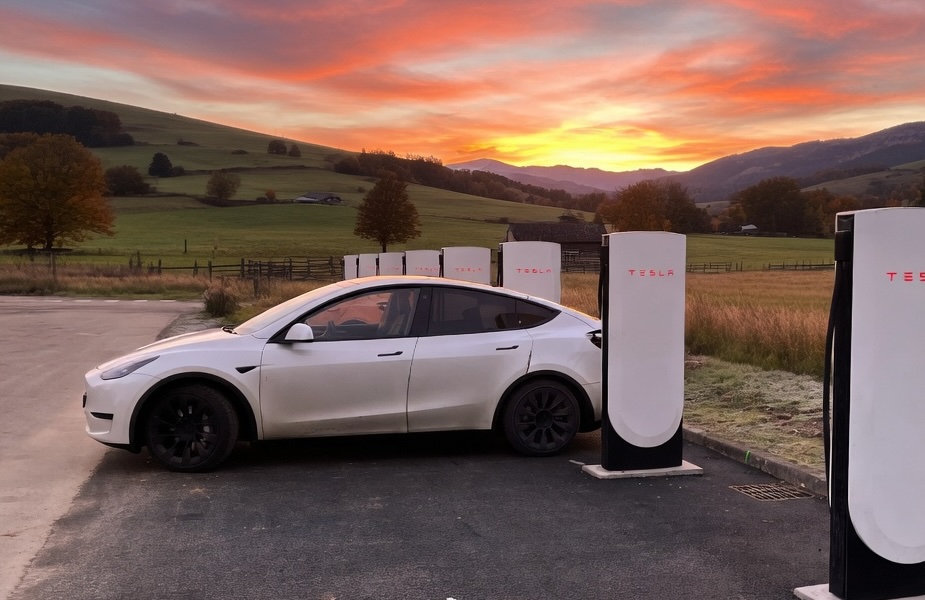
The headline figures are staggering. In the first three months of 2026 alone, Tesla activated 2,500 new Supercharger stalls globally. This represents a 19 percent year-over-year increase in the rate of deployment, a clear acceleration of its build-out strategy. Concurrently, the network facilitated a record 53 million charging sessions in Q1. This massive volume of activity highlights the dual drivers of growth: an expanding fleet of Tesla vehicles and the ever-increasing influx of non-Tesla EVs gaining access via the North American Charging Standard (NACS) adoption.
Strategic Context: From Moat to Mainstream
This expansion is not happening in a vacuum. It is a direct and aggressive response to two major industry shifts. First, the mass migration of nearly every major automaker to the Tesla-designed NACS connector has transformed the Supercharger network from an exclusive perk into an essential service for millions of new drivers. Second, Tesla's eligibility for federal funding through programs like the U.S. National Electric Vehicle Infrastructure (NEVI) formula is fueling capital-efficient expansion in high-traffic corridors. Each new stall, particularly those equipped with Magic Dock adapters or universal cables, now serves a vastly larger addressable market.
Implications for Owners and Investors
For Tesla owners, this rapid growth is a double-edged sword. While availability and geographic coverage improve dramatically, the network is becoming more crowded with non-Tesla vehicles. This intensifies the need for Tesla to continue its build-out at an even faster pace to maintain the premium experience historically associated with Supercharging. For investors, the data underscores a vital new revenue stream. The 53 million sessions in a single quarter translate into significant high-margin energy and service revenue, diversifying Tesla's income beyond vehicle sales. The network's scale and utilization rate are becoming key financial metrics, proving that infrastructure can be a highly profitable business unit, not just a cost center.
The Q1 2026 report ultimately signals that Tesla's charging ambition has moved beyond supporting its own cars. It is now a race to build the most reliable, ubiquitous charging ecosystem in the world—a foundational play that secures Tesla's centrality in the EV transition regardless of whose badge is on the car plugging in.