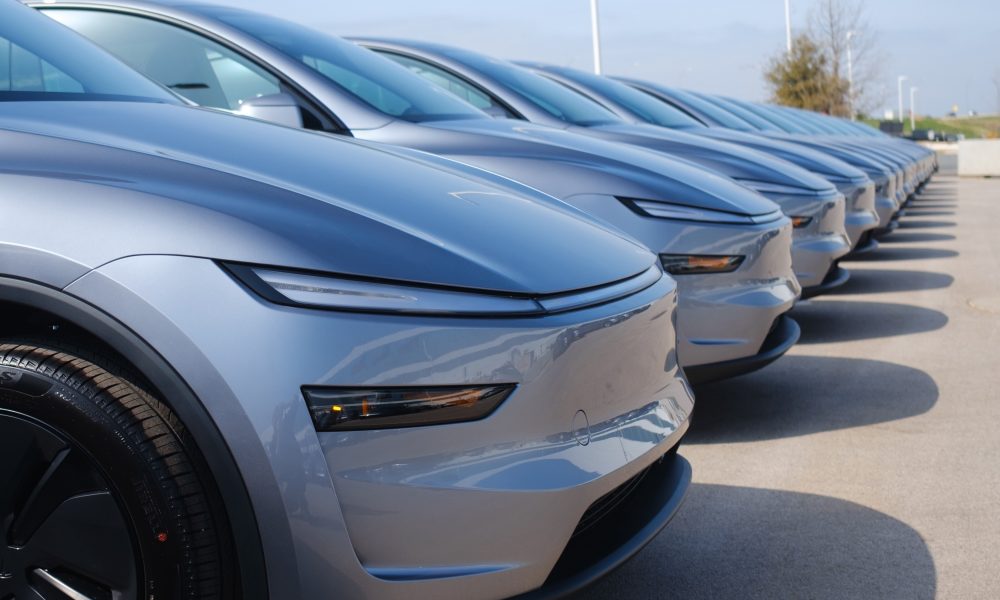
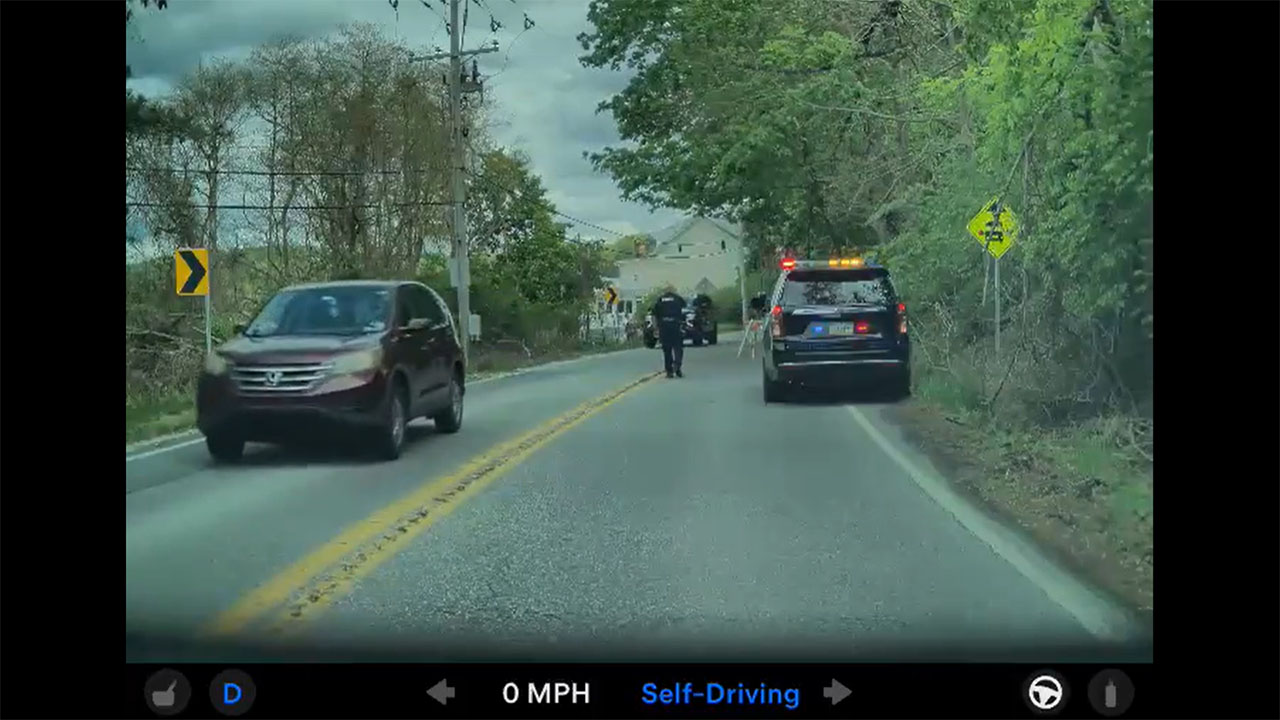
In a move signaling a significant acceleration of its autonomous ambitions, Tesla has officially launched its long-awaited Robotaxi service in two major Texas metros. The company announced via a social media post that "Robotaxi is now rolling out in Dallas & Houston 🤠," accompanied by a compelling 14-second video showcasing its vehicles navigating city streets with conspicuously empty front seats. This expansion beyond initial test markets represents a bold step toward validating Tesla's vision of a scalable, driverless future and directly challenges the operational domain of rideshare giants like Uber and Lyft.
The Texas Two-Step: A Strategic Market Entry
Tesla's choice of Dallas and Houston is a calculated one. Both cities represent sprawling, complex urban environments with a car-dependent culture, providing a rigorous real-world proving ground for the Full Self-Driving (FSD) software. The Texas launch follows limited testing in cities like Las Vegas and Austin, but this public rollout suggests a new level of confidence in the system's reliability. The accompanying video, though brief, serves as powerful marketing material, offering visual proof of the technology in action without a safety driver—a milestone the autonomous vehicle industry has pursued for over a decade. This expansion is not merely a test; it is a commercial deployment aimed at capturing early market share and generating revenue from the FSD platform.
Navigating the Regulatory and Operational Landscape
The rollout, however, does not occur in a vacuum. Texas has emerged as a relatively welcoming state for autonomous vehicle testing, but the commercial deployment of a robotaxi service still involves navigating a patchwork of local regulations and securing necessary permits. Tesla's approach appears to be one of seeking forgiveness rather than permission, leveraging its existing fleet of privately-owned Teslas equipped with FSD to create a network. This contrasts with competitors like Waymo, which operate a dedicated, uniform fleet. The key questions now center on safety protocols, insurance liability, and how Tesla will manage remote vehicle assistance at scale. The company's ability to handle edge-case scenarios in these new, unpredictable environments will be under immense scrutiny from both the public and regulators.
For Tesla owners, this expansion unlocks a potential new revenue stream. Eligible vehicles can presumably join the Robotaxi network when not in use, turning a depreciating asset into an income-generating one, a core promise made by CEO Elon Musk years ago. For investors, the Texas launch is a critical proof point. It transitions FSD from a premium driver-assist feature into a commercial service, opening a massive new addressable market. Success in these initial cities could pave the way for rapid domestic and international expansion, fundamentally altering Tesla's business model from car sales to mobility-as-a-service. However, any significant safety incident or regulatory setback could severely damage public trust and stall momentum. The stakes for Tesla's brand and its stock valuation have never been higher in the autonomous driving arena.