For years, Tesla's meteoric rise has been measured by quarterly delivery numbers and the race to dominate the electric vehicle market. But a seismic shift is now underway, one that could redefine the company's core identity and its ultimate valuation. Tesla is strategically pivoting its long-term focus away from pure car sales and toward a future where its primary revenue stream is Transportation-as-a-Service (TaaS). This fundamental transformation places the value on autonomous miles driven, not just vehicles produced, signaling a profound evolution from automaker to mobility platform.
The Core of the Pivot: Autonomy as the Ultimate Product
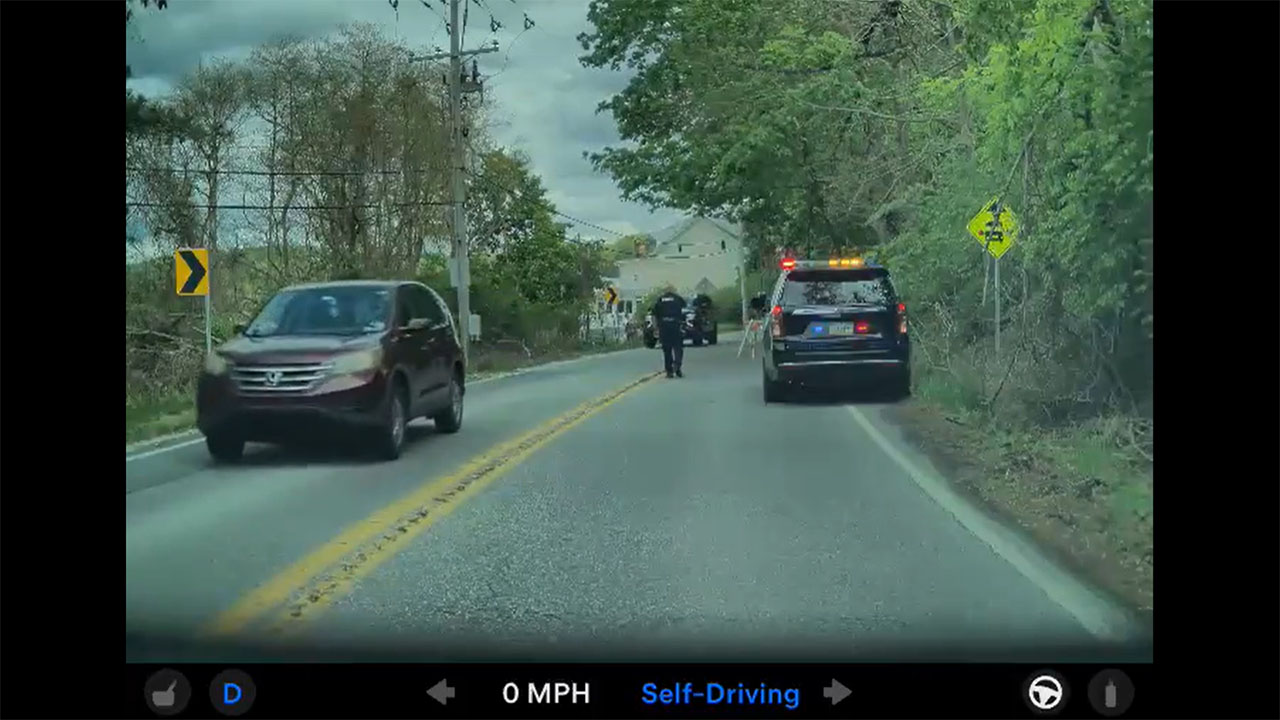
The linchpin of this strategy is the full realization of Tesla's Full Self-Driving (FSD) software. The company's vision for TaaS hinges on deploying a massive fleet of robotaxis—largely comprised of privately-owned Tesla vehicles enrolled in a shared network—that can generate income for owners and continuous revenue for Tesla. In this model, the car itself transitions from a depreciating asset for the consumer to a profit-generating node in a vast, autonomous network. Every mile driven autonomously becomes a potential transaction, making software reliability and regulatory approval the critical hurdles, not just manufacturing capacity.
Implications for Manufacturing and Market Strategy
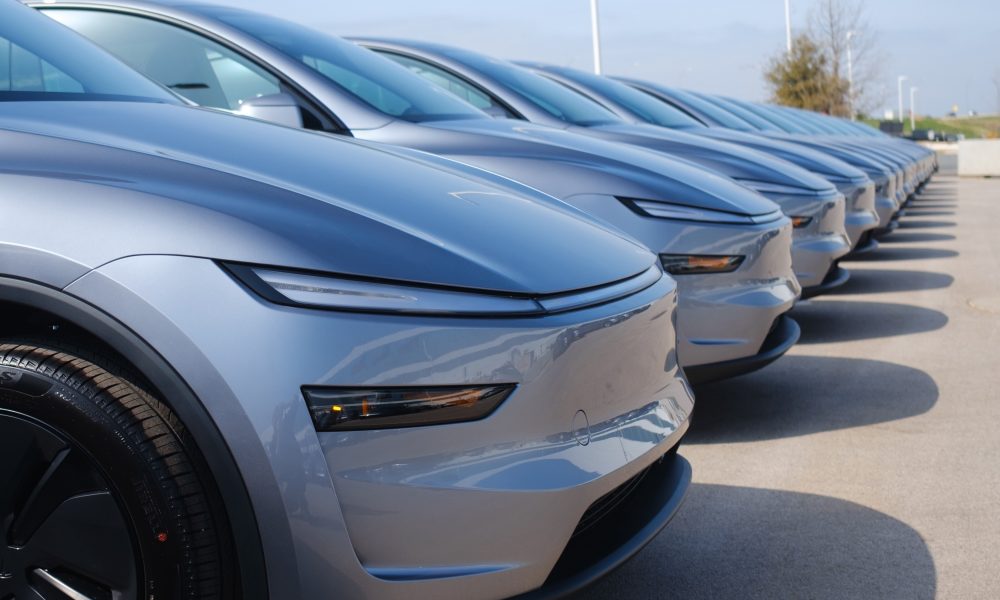
This pivot does not mean Tesla will stop building cars; rather, it recontextualizes their purpose. Vehicle production becomes the means to populate the global TaaS network, with an emphasis on durability, low operational cost, and hardware capable of lasting a million miles. We may see a bifurcation in strategy: continued, but potentially slower, innovation in consumer-facing models alongside a relentless drive for a low-cost, high-volume "robotaxi" platform. The recent emphasis on simplifying manufacturing processes and reducing costs, as seen with the unboxed vehicle assembly concept, aligns perfectly with building an economical fleet vehicle designed for maximum uptime and profitability in a service model.
For Tesla investors, this shift represents a high-stakes recalibration of the investment thesis. Valuation would increasingly depend on the margins and scale of a software-based service, which could far exceed those of traditional car sales. However, it also introduces new risks centered on regulatory timelines for full autonomy, technological execution, and public adoption of shared robotaxis. The company's stock may become more sensitive to FSD milestone updates than to minor fluctuations in quarterly deliveries.
Current and prospective Tesla owners stand at the frontier of this change. The promise of adding one's car to the Tesla Robotaxi network presents a potential paradigm for asset ownership, where a vehicle could offset its own cost or even generate positive cash flow. This could enhance resale value and make Tesla ownership more accessible. Conversely, it may lead to a greater focus on fleet-oriented features in future models, potentially altering the design and marketing of vehicles aimed primarily at private enthusiasts.